Log on:
Powered by Elgg

Feed detail

March 12, 2017

Teacher Voices: Hannah Shelton

This is post number four in my ongoing series of interviews with former students.

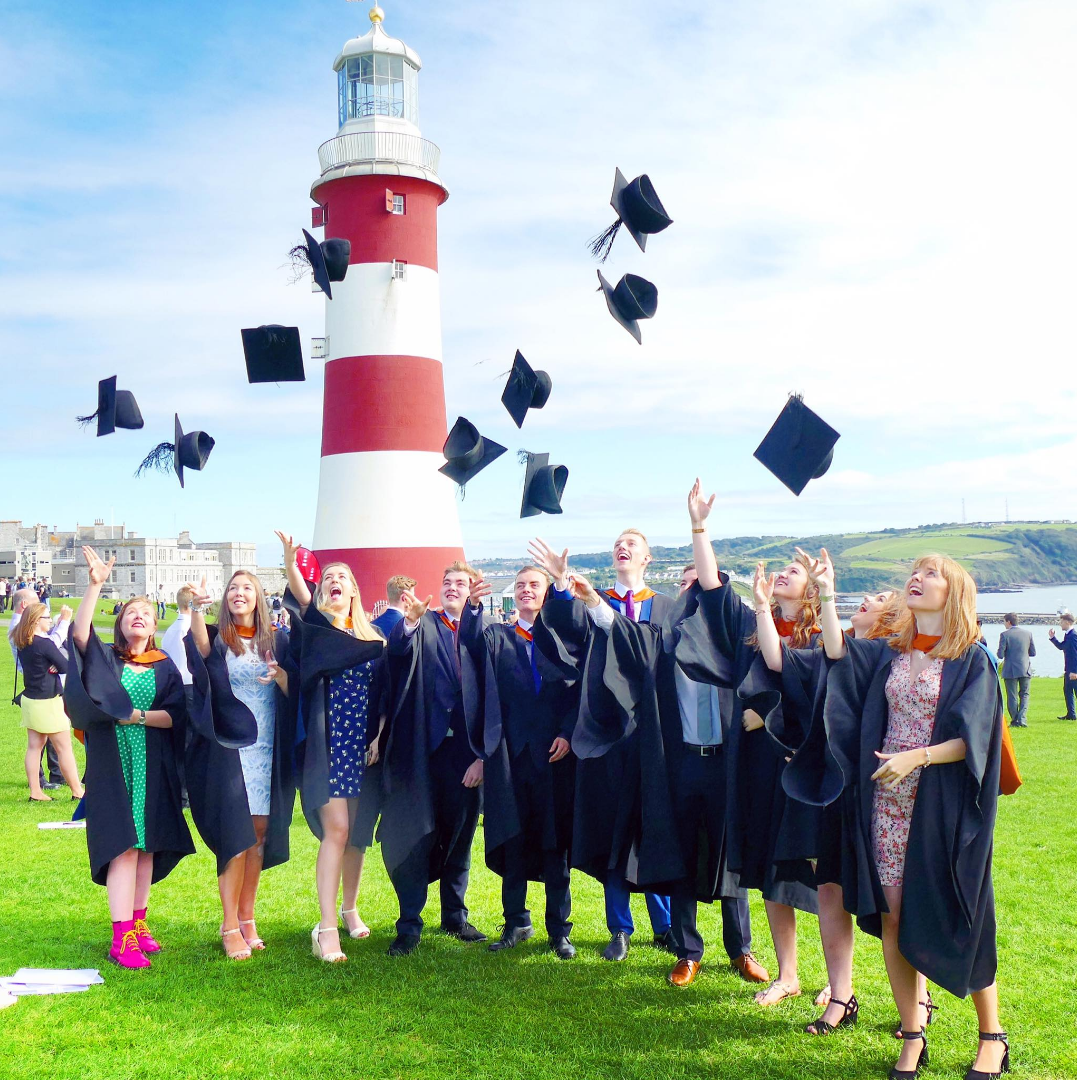
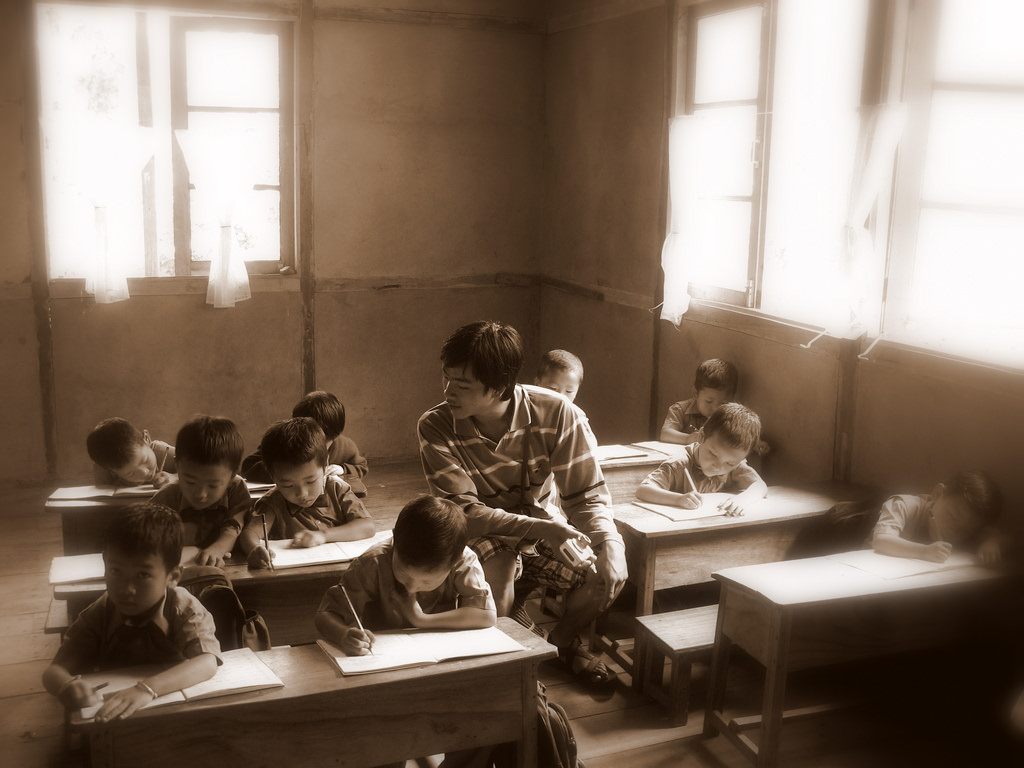
Hannah Shelton (@HannahSheltonTT on Twitter) graduated from Plymouth University with a B.Ed degree in primary education in 2015. She now teaches Year 3 in a one form entry school in inner city Bristol, England. She says it has been a great learning curve as she found the autumn terms of her first year very challenging in comparison to her training. However, she had an excellent NQT mentor who supported her throughout and is now her Head of School (also a Plymouth University graduate!) As the months went on Hannah established herself within the school and she is now leading PE and Healthy Schools.

Hannah's Trainee Teacher Blog is well worth a read.

1) What made you decide to become a teacher? What/who inspired you? What were your motivations? 
I think it was my Year 6 teacher, Miss Mitchell, who inspired me to become a teacher. Looking back, she must have also been in her first year or two of teaching but it was the first real instance of my school life where I really wanted to please, and I remember loving all of her positive praise rewards with cuddly toys sat on the winning table and lovely laminated certificates. I continued to want to be a teacher because my own learning never seemed to be a breeze. I seemed to be the child that was forever asking a million questions to clarify my understanding which is something I now see the positives of and try to enthuse in my own classes. 

2) What is the best thing about being a teacher in a primary school? What gets you out of bed in the morning?
The best thing about being a primary school teacher is the fun! Being in inner city Bristol, my class is full of interesting, funny personalities that I feel make me smile no matter how stressful the workload is. I love the children’s drive to take on a challenge or work with their partner until they get it with that look of pride on their beaming faces. 

3) What does it take to become an excellent teacher? What characteristics do the best teachers have? 
Excellent teachers are those who know and care about every child in their class - that in itself engages and motivates learners. Moreover, someone who is creative in their approaches and ideas but is always looking to reflect upon what they are doing to improve the impact of their teaching. The excellent teachers that I have seen hook learners in with real life and motivate with a purpose.

4) What do you consider your greatest achievement to date as an educator?
I think my greatest achievement as an educator to date has been working with a child who came into my class with extremely disruptive, aggressive behaviour and low self-esteem, he really disliked school and his parent found it a struggle to get him in each morning. Through the year, we have built up his confidence with positivity, love and support, causing the aggression to diminish, happiness to reappear and love of school to form.

5) How can we improve education? If you were the Secretary for Education, what would be your first priorities? 
Reduce workload. The 60 + hours a week quite often stops me thinking about what matters, the children. Without schools’ tick box exercises of long marking comments, new displays each week and what feels like constant observations, I would have more time to rethink a lesson, target a specific group or just be more creative in my ideas. I think it is great that this has become such a talking point of late and that so many schools are changing policies to reflect researched benefits to learning. 

6) What are the most innovative uses of technology in education (that you have done yourself, or have seen)?
The best use of technology that I have seen is from my teacher training as part of the ICT specialism to my degree. Things like stop start animation used to write a story or to promote a theme gave fantastic ownership of the task and allowed the children to collaborate.  Once our school’s technology is updated/ fully functioning I would love to embed all of these things back into my classroom, but it definitely is difficult in such budget stretched times.
7) What is your favourite story or memory of teaching children you would like to share?
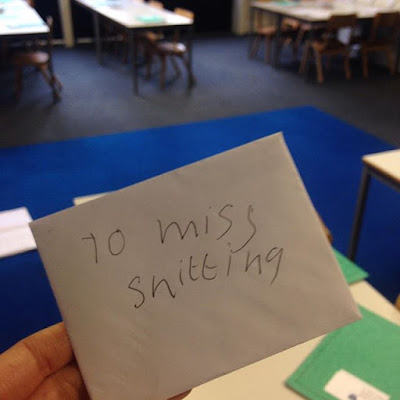
The funny spelling mistakes always bring a smile!

8) What advice would you give those who are just about to start out on the pathway to becoming a teacher?
Don’t be afraid to keep on asking questions, reading and finding out more. I am fortunate to work in a school where the staff are very close knit which always means I can pop next door or down the corridor if I need a bit of inspiration or have a question. With education always changing, I know I’ll never know everything and that’s okay. 

9) What are the most significant challenges facing education right now?
For me, as I mentioned above, it is the pressures of the never-ending workload. If teachers continue to work such volumes of hours just to get the bare minimum completed, then where is the time for creativity and imagination to really stimulate learners? Whenever I have a week where I have no SLT observations, marking moderations, intervention folders to create etc, I always feel that I have more time to re-evaluate planning and think even more about the children! 

10) What will schools of the future look like? What would you like to see happening in the next 10 years?
In 10 years time I would like to hope that our schools will be far less pressurised by making rapid progress and preparation for KS2 SATS. Our school is one of few Schools of Sanctuary in England, being a school that is committed to being a safe and welcoming place for all, especially those seeking sanctuary from other countries. The love and care that our school gives is overwhelming but unfortunately tests do not necessarily demonstrate that, schools should not be judged on these tests alone but look at the progress of the whole child. 

Photos courtesy of Hannah Shelton

Creative Commons License
Teacher Voices: Hannah Shelton by Steve Wheeler was written in Plymouth, England and is licensed under a Creative Commons Attribution-NonCommercial-ShareAlike 3.0 Unported License.


March 09, 2017

Teacher Voices: Tyla Elworthy

Here is the third of my series of blog posts celebrating the achievements and progress of former students.

Tyla Elworthy (@TyElworthy on Twitter) graduated from Plymouth University in 2015 with a 1st Class Honours Degree and moved to London. It was there she began working in a wonderful school in the middle of Angel, Islington. Since joining the school she has had some amazing experiences, including arranging a successful Teachmeet and becoming ICT Co-ordinator.

Tyla says she loves working in London, because it's very different to the schools she trained in while at university and she thinks that is why she enjoys the challenge. She says she is looking forward to another year at the school next year! Here is her interview:

1) What made you decide to become a teacher? What/who inspired you? What were your motivations?
I have wanted to be a teacher since I began teaching the alphabet to my teddies in my bedroom when I was about 7 years old! I grew up in a child-orientated familial home, as my parents are foster carers and so I always knew I’d grow to do something in childcare or provision. When it came to the time to make a decision about university, choosing a degree in primary education was the most natural choice and I am so glad I made that decision! 

2) What is the best thing about being a teacher in a primary school? What gets you out of bed in the morning? 
My goodness - there are so many positive aspects to being a teacher, it’s hard to isolate one! I think for me, the main thing is being a positive, optimistic and relentlessly consistent role model in the lives of children who need the stability and routine. I love being one of the people in their lives who they know they can rely on to be there and be smiling as soon as they arrive first thing in the morning. To be among one of the first smiles in a child’s day is a privilege indeed. 

3) What does it take to become an excellent teacher? What characteristics do the best teachers have? 
From the incredible teachers I have met so far in my short career, the successful teachers are the ones who are in it for the children. It’s a personality trait which I think you tend to have or you don’t and when you do, no matter how hard the workload or how late the nights are, you’re still powering through with a smile and enthusiasm. Excellent teachers have the incredible ability to enthuse a child with a passion for learning a subject, no matter how dull it may have initially appeared to them. I have witnessed teachers turn even the most boring of topics into thrilling learning which enthrals even the most resistant of pupils. 

4) What do you consider your greatest achievement to date as an educator? 
When one of my pupils came up to me and said ‘Miss Elworthy, you’re the reason I love coming to school, you teach me interesting things, thank you’. There’ll be no greater moment than that for me, turning learning into a passion is something I am very proud of. 

5) How can we improve education? If you were the Secretary for Education, what would be your first priorities? 
It would absolutely be funding. I work in the second highest borough for child poverty in the country. Our children miss out on experiences and support which would help them flourish and it’s all down to cuts essentially. I understand the need to cut back on expenses but cutting back on children’s futures? Not OK. 

6) What are the most innovative uses of technology in education (that you have done yourself, or have seen)?
I was lucky enough to take my Code Club children to an amazing Computing Celebration recently near our school at the Emirates Stadium. There we saw some incredibly innovative uses of technology and we particularly loved the use of Virtual Reality technology to bring literacy to life. 

7) What is your favourite story or memory of teaching children you would like to share? 
Last year I bought caterpillars for my class and we spent weeks diligently giving them sugar water and watching them grow in hope and anticipation that they would emerge into beautiful butterflies. Eventually they did and the time came to release the butterflies outside. It was a gorgeous spring day and we all gathered around the cage. As I opened the enclosure and the butterflies began to fly away, the look on the children’s faces was amazing, they were staring in total wonder. I was proud to have given them a life experience I know they will never forget. 

8) What advice would you give those who are just about to start out on the pathway to becoming a teacher? The same advice my sister gave to me when I became a teacher - your workload will never end. You could do 12/13/14/15 hour days and still never reach the end of your 'to do' list. Always keep one week day evening and one weekend day to yourself, no work! Be strict on keeping that you-time, you need it. 

9) What are the most significant challenges facing education right now? 
The constant assessment of teacher performance really puts a strain on our ability to provide stimulating and exciting experiences for our students. The pressure schools are under to produce amazing data at the end of each year is increasing week by week and it just isn't sustainable, either for staff or pupils. 

10) What will schools of the future look like? What would you like to see happening in the next 10 years? 
Children will be leading the schools of the future with any luck! There won’t be a whiteboard at the front of the room and the adults will whole heartedly be facilitators, not controllers. We will have the freedom to follow a child’s interests and plan the learning around that, ensuring the children are passionate about their learning. 

Photo courtesy of Tyla Elworthy

Creative Commons License
Teacher Voices: Tyla Elworthy by Steve Wheeler was written in Plymouth, England and is licensed under a Creative Commons Attribution-NonCommercial-ShareAlike 3.0 Unported License.


March 08, 2017

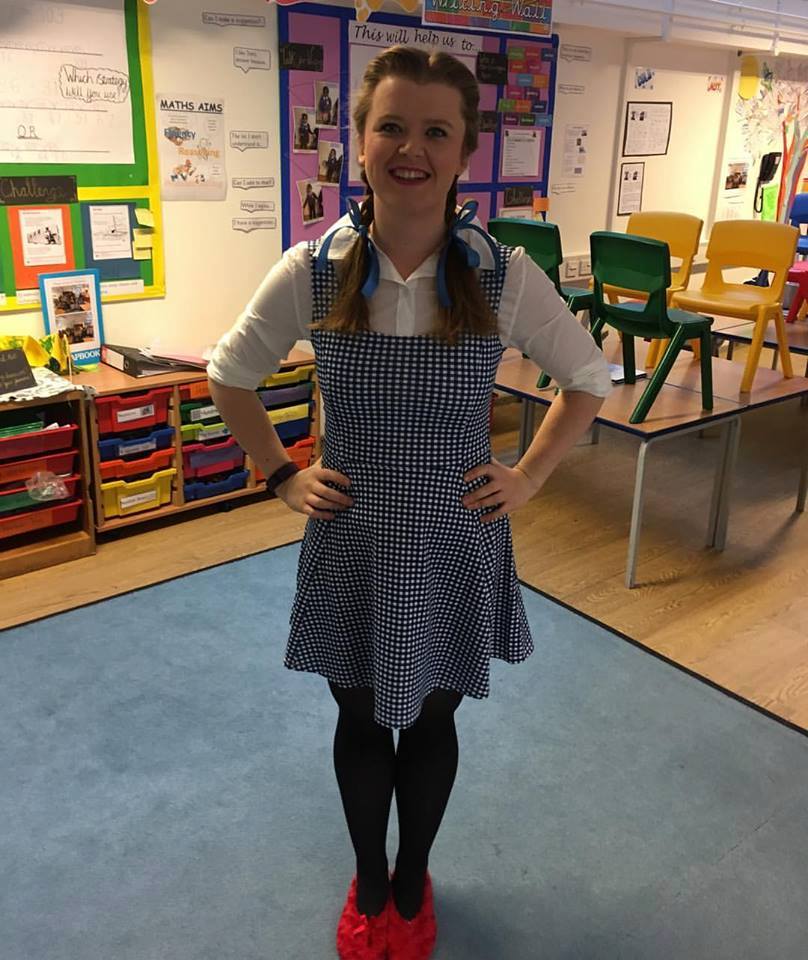
Teacher Voices: Megan Douglas

This is the second of my series of blog posts celebrating the achievements and progress of former students.

Megan Douglas (@MegDouglasTeach on Twitter) graduated from Plymouth University in 2015 with a B.Ed degree in primary education. She is half way through her second year of teaching. On graduation she wrote a blog post about her time at Plymouth University. She now teaches in Berkshire where she grew up. Whilst at university she heard news of a new free school being set up in her local area, which grabbed her attention. When she found out it would be a specialised STEM primary school she was even more interested, and after a long application and interview process she secured her first teaching post at the school. Despite the challenges she has loved being involved with working at a newly established school as a newly qualified teacher (NQT). She feels she has a say in everything and all staff continue to have a huge part in making decisions and moulding the way they would like their school to grow. Here is her interview:

1) What made you decide to become a teacher? What/who inspired you? What were your motivations?
One day I just woke up and decided I wanted to be a teacher. I had always enjoyed working with children, organising events and drama – I decided that I could do these things every day as a teacher! I’ve always enjoyed education and I really did enjoy going to school, I had brilliant teachers and some not so brilliant teachers but they have all shaped the kind of teacher I am and the teaching methods I use in my classroom.

2) What is the best thing about being a teacher in a primary school? What gets you out of bed in the morning?
This is a question I still ponder on and the reasons change quite regularly. It really is the little things that I enjoy about teaching, the ‘light bulb’ moments and watching children grow throughout the year. I teach year 1 and I find the transition from EYFS to KS1 absolutely fascinating, they change so much throughout the year and it’s lovely when they are so aware of their achievements and developments too.

3) What does it take to become an excellent teacher? What characteristics do the best teachers have?
Good question… I’ve been lucky enough to be taught by some excellent teachers and I honestly think it is up to the learner to give a teacher such a prestigious title. I also think behind an excellent teacher is an excellent team. As a learner, I believe an excellent teacher should be supportive, funny, challenging and fair. The best teachers I have ever had have given me the opportunity to explore and connect my learning with real life experience. 

4) What do you consider your greatest achievement to date as an educator?
I cried 7 weeks into my NQT year in the toilet next to my classroom because a little boy with Special Educational Needs in my class called me by my name for the first time and recognised me as his teacher. It was something so small to everyone else but the biggest achievement for me and him. 

5) How can we improve education? If you were the Secretary for Education, what would be your first priorities?
Number one, funding. I work in one of the poorest funded boroughs in the UK. The schools are very good in my local area and I have been lucky enough to attend these schools as a child but gradually over the years the funding has been decreased and cut. Because housing prices are high, average wages are good and the schools have good results we have seen huge cuts in our school funding. Resources are so limited and some local schools are even asking parents to foot the bill. Number two, I would ensure I could relate to our teachers. I really think that those making big decisions should experience what we experience on a daily basis. 

6) What are the most innovative uses of technology in education (that you have done yourself, or have seen)?
At my current school we are very Google based. Our teamwork is smooth, neat and effective through the use of sharing files, planning and working collaboratively on documents. Children in school have a Chromebook each along with access to tablets in each class. Everything is connected. We now have a 3D printer and are working on projects with our oldest year group (year 4) to design and make their own objects. CPD is very strong at my school and I have been able to explore different technologies through having time to network and visit the BETT Show to explore new opportunities for technological innovation at our school. BETT was full of virtual reality this year which will hopefully be our next development… 

7) What is your favourite story or memory of teaching children you would like to share?
On the last day of the summer term we took the whole school on a day trip to Bournemouth. The sun was shining and it was a glorious day, we took them straight to the beach and our wonderful parent vounteers and staff marked off a very large section of the beach for us. Some children had never been to the beach before, they hadn’t felt the sand between their toes or the salty tasty of the sea. The children were able to paddle and jump between the waves. We walked to the gardens and enjoyed our sandwiches and ice creams. For some reason I felt like a real teacher that day, a memory maker. 

8) What advice would you give those who are just about to start out on the pathway to becoming a teacher?
Observe the best, apply what you know, be confident but be yourself (children can always see through you!). Your to do list will never end but that is okay. Make time for yourself, your friends and family. Enjoy.

9) What are the most significant challenges facing education right now?
Lack of teachers and high volumes of teachers leaving the profession along with high rates of mental illness (for both pupils and teachers) all linked to the pressure and stress of results and data.

10) What will schools of the future look like? What would you like to see happening in the next 10 years?
At my school all staff are called by our first names, the children don’t line up and walk in straight lines, the children can sit where they wish when they go in to assembly, we let the children explore our natural outside areas, the children have wide access to technology but can make a decision whether is necessary to use instead of another tool. The children camp, they cook food on our fire, they make dens in the wood at break time without having ‘forest school’ on the timetable. We let them be children. I love working at the school I teach at but I’m very aware it isn’t the reality in this climate of results and progression. I wish for schools of the future to be more child led and focused on the development of a child. 


Photo courtesy of Megan Douglas

Creative Commons License
Teacher Voices: Megan Douglas by Steve Wheeler was written in Plymouth, England and is licensed under a Creative Commons Attribution-NonCommercial-ShareAlike 3.0 Unported License.

March 06, 2017

Teacher Voices: Neil Jarrett

Last year I celebrated 40 years in educational technology and tracked some of the history of this relatively new discipline. This year I'm celebrating 20 years as a teacher educator, all of it at Plymouth Institute of Education.

In a recent post entitled Teacher Voices I promised I would celebrate by interviewing some of my past student teachers to see where they are now and what their professional responses are to ten questions.

One of those former students - Neil Jarrett (@edtechneil) - has done rather well for himself. Neil graduated in 2009 and is now a teacher at an international school in Thailand. He has written three books and several articles for magazines such as the Times Educational Supplement. His teacher blog EdTech4Beginners is a must read for anyone interested in leveraging technology in schools. Neil has a real passion to share his learning not only with his students, but also with his professional community.

1) What made you decide to become a teacher? What/who inspired you? What were your motivations?
I was inspired by my mother who was also a teacher. I used to help in her class a lot when I was growing up.

2) What is the best thing about being a teacher in a primary school? What gets you out of bed in the morning?
It is an exciting time to be a teacher with new initiatives and new technologies emerging all the time. It allows me to be creative and innovative on a daily basis.

3) What does it take to become an excellent teacher? What characteristics do the best teachers have?
Knowing how to pitch a lesson and thinking of exciting ways to teach it. I also think the best teachers are the ones who can explain new concepts in a clear, methodical way.

4) What do you consider your greatest achievement to date as an educator?
Being nominated for educational blog of the year.

5) How can we improve education? If you were the Secretary for Education, what would be your first priorities?
I would push for a more creative curriculum with emphasis put on inquiry and project based learning.

6) What are the most innovative uses of technology in education (that you have done yourself, or have seen)?
Collaborative work through tools such as Google Docs. The fact that children can work together, simultaneously (and even remotely) is fantastic.

7) What is your favourite story or memory of teaching children you would like to share?
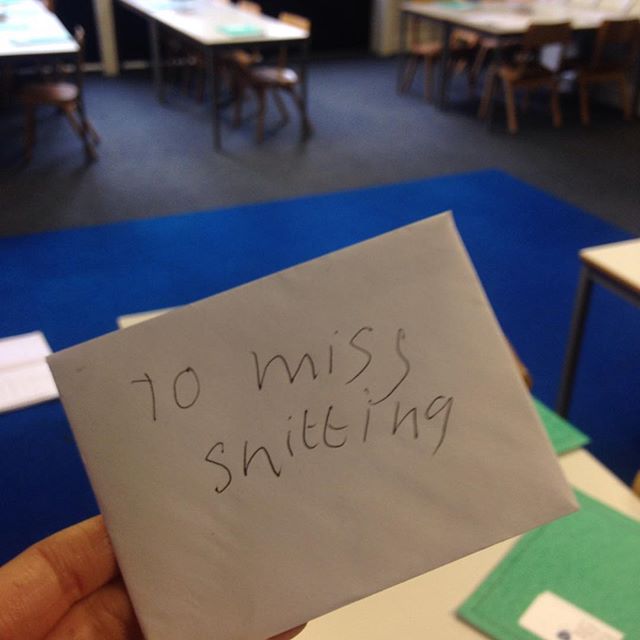
Teaching internationally and being immersed in an amazing culture.

8) What advice would you give those who are just about to start out on the pathway to becoming a teacher?
Manage your workload well – focus on the important things that impact on learning.

9) What will schools of the future look like? What would you like to see happening in the next 10 years?
I predict that artificial intelligence will assist teachers with tracking progress and generating personalized next steps.

10) What are the most significant challenges facing education right now?
I think children are pushed to achieve too early. They all learn at different times and at different speeds – there is no set model we should follow for each child.

Photo courtesy of Neil Jarrett

Creative Commons License
Teacher Voices: Neil Jarrett by Steve Wheeler was written in Plymouth, England and is licensed under a Creative Commons Attribution-NonCommercial-ShareAlike 3.0 Unported License.


March 04, 2017

Future technologies: What lies ahead

In January I presented a session on 'What's hot and what's not in learning and development' for Learning Technologies in London. The annual event always has a slot for future trends in technology, which in the past has featured great thinkers such as Ray Kurzweil and Brian Solis, and futurists Gerd Leonhard and Rudy de Waele. Everyone seems to be interested in the future, and while we cannot predict it with any great accuracy, we know what the trends are and can follow them to see where they might lead. In this session I cover a range of new and emerging technologies such as voice controlled interfaces and gestural computing, the Internet of Things (pervasive computing), wearable technologies and artificial intelligence and speculate on what their impact might be on workbased learning. I also outline some of the major trends we should look out for in the next decade, including an increase in the emphasis on personalised learning, social networking and untethered (mobile) learning. Here's the video of the session, which also features Duke CE's Tony O'Driscoll.


Photo by Jon Rawlinson on Wikimedia Commons

Creative Commons License
Future technologies: What lies ahead by Steve Wheeler was written in Plymouth, England and is licensed under a Creative Commons Attribution-NonCommercial-ShareAlike 3.0 Unported License.


March 02, 2017

Teacher voices

Our 2016 Computing and ICT Specialist graduates
Ever wonder what your former students are doing right now?

Of course you do.

If you're a teacher, you will take pride in your students and their achievements. Most of mine have trained to be primary educators, and go on to change lives and make lives in their teaching careers. It's great to keep in touch with them via social media to see how they are doing.

I'm starting a new series of posts tracing the careers and achievements of some of my former students. Those who have studied on the B.Ed Primary Computing and ICT pathway at Plymouth Institute of Education will feature in this series of posts. They will have studied under the tutorship of myself and other educators such as Peter Yeomans, Oliver Quinlan, Clare Fenwick, Duncan Lloyd, Rouen Gargan and James Bettany (if I have missed anyone out, apologies!)

To me, my former students - now qualified teachers - are extraordinary, because they have entered the volatile and ever changing teaching profession as visionaries - people who want to make a significant difference in children's lives, inspiring them to learn and reach further. They achieve this through innovative pedagogies, creating great learning spaces and with a liberal dose of technology. I want to know how they have developed their thinking as professionals, and what progress they have made in their practice as educators. I want to share these teacher voices with you.

In tomorrow's post I will feature the first of my posts - a brief interview with Neil Jarrett, who graduated from Plymouth in 2009. Prepare to be inspired.

Photo by Tom Wilkins

Creative Commons License
Teacher voices by Steve Wheeler was written in Plymouth, England and is licensed under a Creative Commons Attribution-NonCommercial-ShareAlike 3.0 Unported License.


February 24, 2017

Going to the wall

In a previous post entitled Learning spaces of the third kind I outlined a project to establish an experimental learning space. It's called the eXSpace and will be a showcase for a range of new and emerging technologies, a place to study new pedagogies and a sandpit to try out new ideas and methods.

At Plymouth Institute of Education we have been using a number of classroom technologies, but perhaps one of the most misunderstood is the SMART Interactive Whiteboard. Every one of our major classrooms had one installed when our new building was commissioned several years ago. Yet with only a few exceptions, the Smart boards have been used as little more than projection screens and surfaces for writing on. In effect, the boards have been used as substitutes for the old dry wipe boards and projection screens. Patently, interactive whiteboards can be used for so much more.

They come in several sizes, but one of the universal affordances of SMARTboards is their interactive touch surface. You can tap them, scroll them, click them, write on them, wipe them. Often, SMARTboards are a centre piece of the classroom, and can so easily become just another presentational tool for the teacher. However, due to their interactive touch screen, they can also be used extensively by students. The caveat here, is that if you invite your students to use the SMARTboard, you should first decide on what particular pedagogy you are applying. Is it collaborative, competitive, or solo engagement with content?

I have witnessed many innovative uses of SMARTboards over the last few years. Perhaps one of the most productive I observed recently was during a year 2 class lesson on mathematics. The children were learning about number bonds, so the teacher organised the children around small tables into groups of four. They were given paper handouts with target numbers. They then had to work out from the screen, which numbers came together to make the target numbers. As the 'game' progressed, each table was invited to send a member from their group to drag two numbers together on the SMARTboard to achieve the target number. Chaos ensued as the children competed to see who could get the most number bonds correct. It's hard to remember seeing a more excited and engaged group of children in a maths lesson. It really was 'mental' arithmetic!

Such 'click and drag' activities are very engaging, and can involve the entire class of children. Other applications of SMARTboards may not involve all children directly interacting with the board but can be just as engaging. Consider using games and quizzes. This is not hard to achieve through some motivational interactive design, such as clickable objects, animations, countdowns or timed text reveals. Children learn through games because they are being challenged to recall what they have already learnt, but can also learn from the answers of their peers. The collaborative/competitive aspects of team games can also be highly motivational.

Finally, teachers should consider brainstorming as a method of engaging students. Using the SMARTboard as a tool to capture children's ideas during a discussion or problem solving exercise is the first phase. Categorising or grouping ideas into separate boxes by dragging text and repositioning it can help children to

In my next post I'm featuring some of the new SMART technologies, connected education experiences and learning suite software we will be using in the new eXSpace.

Image source: Pixabay

Creative Commons License
Going to the wall by Steve Wheeler was written in Plymouth, England and is licensed under a Creative Commons Attribution-NonCommercial-ShareAlike 3.0 Unported License.


February 23, 2017

Learning is in the struggle

I have always considered myself to be a professional learner. Yes, I'm a teacher, but I get paid to learn, and then to create learning conditions in which my students can also learn. I'm always up for a challenge, and I am always open to learning new things.

I find it especially fulfilling when I learn new things from my students. Earlier today, some of my students showed me the video (below) by James Nottingham. He talks about the 'Eureka moment' that children experience when they discover something new for themselves. The Greek word Eureka literally translates as: 'I found it!' As I watched this section my mind was directed to Jean Piaget's famous quote: 'When you teach a child something, you take away forever his chance of discovering it for himself.' Clearly, learning is in the struggle, not the teaching.

To my shame I hadn't heard of James Nottingham before, but as I watched his video, I found myself agreeing time and again with his concept of the learning pit. Watch the video and decide for yourself - is this the kind of teaching we should be promoting in our schools? If so, how can we realise it?


Photo by Ron Wise on Wikimedia Commons

Creative Commons License
Learning is in the struggle by Steve Wheeler was written in Plymouth, England and is licensed under a Creative Commons Attribution-NonCommercial-ShareAlike 3.0 Unported License.


February 12, 2017

Learning spaces of the third kind

The first kind of space was highly organised. In these 'class' rooms, our students gathered, seated in rows, facing toward a single part of the space - the front. At the front of the classroom were all of the important things, such as the teacher, and of course, the teacher's tools. Many of these, the blackboard, the projector and the screen, and eventually other new technologies such as television and video, were placed at the front of the room because this was where all the action was. The students looked on as spectators, and occasionally as active participants in their education. Students learnt by listening. The sage on the stage was the centre of attention, and pivotal to the process.

Next came the second kind of space - rooms where people could face in more than one direction. The action in these rooms had moved away from 'the front', because although the teacher still influenced the students' education, there was now more emphasis on participation, interaction, ... and yes, collaboration. Now students were seated around tables, facing each other. They had technology on the tables. They were able to create their own projects, learning together with the teacher acting as a facilitator. Students learnt by doing and making. The guide on the side was still within the room, but now every part of the room assumed equal significance.

The third kind of space is still emerging. It is appearing in more and more institutions every week. It is an active, immersive space where just about anything might happen. This third kind of space is no longer confined to a room. Students carry technology in their pockets, information floats through the air, and the they use their own devices to seek and capture it. There is a sense that learning can occur without the teacher being present in this same space, although the teacher may be there anyway, as a co-learner as much as a facilitator. Education is co-constructed, and the tools and technologies provide the scaffolding to support the learning. Students learn by creating, connecting, discovering and sharing.

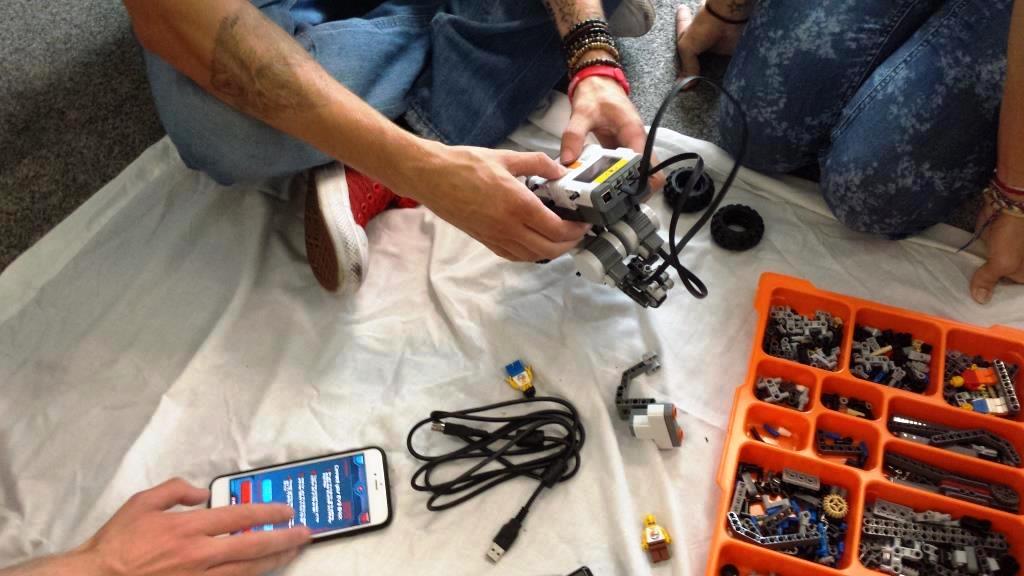
In my institution, we will soon be embarking on a new project. I'm calling it eXSpace. One of our computing suites will be taken away, the benches removed and the desktop computers and cabling reassigned elsewhere. We want to move away from giving students the message 'this is where computing is done.' The result will be a new experimental learning space. It will be a place where anything can and might happen. All of the space will be flexible, and the walls will play a role in that flexibility. We are planning makerspaces, technology sandpits, soft play areas, gaming and robot testing zones, experimental lighting and sound systems. There will also be interactive touch surfaces on the walls, and as new technologies and tools become available, we will test them out in this space before we deploy them anywhere else. eXSPace will be a place we can try out new ideas, new pedagogies, new tools. I aim to write more about our progress with eXSpace as the project develops. (Watch this space).

Photo by Steve Wheeler

Creative Commons License
Learning spaces of the third kind by Steve Wheeler was written in Plymouth, England and is licensed under a Creative Commons Attribution-NonCommercial-ShareAlike 3.0 Unported License.


February 08, 2017

The way we AR

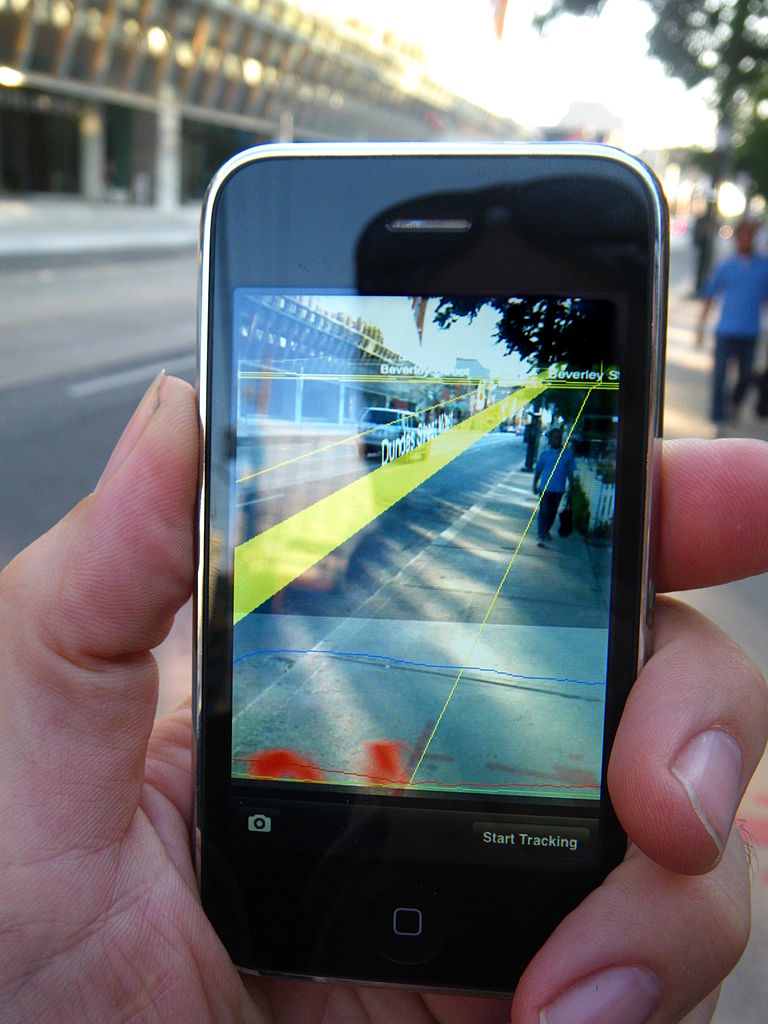
At Learning Technologies in London last week I expressed my view that Augmented Reality (AR) has more direct applications in workplace learning than Virtual Reality (VR). This is based on a number of factors. The first is that AR can be used through existing personal technologies, such as smartphones and tablets. Several apps are freely downloadable, including Aurasma, Layar and Blippar, each of which is capable of being used instantly to discover information about the world around us. AR views the world through the camera on your device and overlays additional information on the live images it presents on the screen. Another factor is that AR is a little easier to use than VR, taking less time to set up. Yes, VR visors are now common place and cheap to purchase from most online stores, and they also function using personal technologies. However, this additional cost, although not prohibitive on a small scale, could be a problem if a large organisation had to purchase them for every employee.

One compelling reason AR has the potential to be more successful than VR in the workplace however, is that the latter suffers from a similar stigma to Google Glass. Let's be honest here - wearing technology on your face looks strange, and most people would avoid using it if it made them feel stupid. Google Glass failed for a number of reasons, one of which was its geeky appearance. Holding a smartphone doesn't look nearly as out of place as wearing a visor.

Finally, probably the best reason VR tools will not be as successful in workplace learning as AR, is that while you are wearing a visor, your safety is less assured. With your vision obscured, and with images being rendered solely by a computer, there is inherent danger. With a smartphone as your window on richer information about the world around you, you are able to disengage instantly and are able to gauge any threat to your safety fairly quickly. There have been reports of people falling into danger while using the AR app for Pokemon Go, but these would be nothing compared to the chaos caused by widespread use of VR visors in public places. As Paul Travers (CEO of Vuzix) argues, there is a limit to what you can achieve when you are isolated from the real world inside a visor.

But ultimately, we don't know what the future holds for technology development. It will probably pan out in ways that mean the distinction between AR and VR, as Heather Kelley (Kokoromi) suggests, will become 'legacy terms' for a bygone age.

Photo from Wikimedia Commons

Creative Commons License
The way we AR by Steve Wheeler was written in Plymouth, England and is licensed under a Creative Commons Attribution-NonCommercial-ShareAlike 3.0 Unported License.


February 02, 2017

Thought Leading

With Angela Maiers and Eric Sheninger at BETT 2017
I've never been that keen on the term 'thought leaders'. Some might even consider it a little presumptuous to label oneself as a thought leader. It also sounds as though thought leaders have the monopoly on new ideas and great thinking. This is patently untrue. All teachers have the potential to be creative and to arrive at new ideas. Whether they share them with their professional community is another matter. So although this post is called Thought Leading, it's really focused on those individuals among us who think of new ideas, or innovative approaches to teaching, and then share them with the world. I can name a few dozen people who I rate highly in that stratosphere. I was privileged to spend time with two and in one place at the BETT Show in London recently.

I have met Eric Sheninger before, when we were both keynote speakers at one of Australia's largest education events - EduTech, in Brisbane 2015. Eric was already known to me through his books and TED talks, so I naturally felt that I already knew about some of his ideas. But the most interesting thing about Eric is that he was once anti-technology in education, and banned social media and student devices from his school system. Eric became disillusioned with the schools he was working in though, and a Damascus Road moment occurred when he realised that technology in schools might actually provide a solution to some of the problems he was witnessing. The schools were turned around through the introduction of his Bring Your Own Device policies. Eric is now a tech evangelist. He travels the world talking about how teachers can be inspirational and how the power and potential of technology can be leveraged to promote better learning. His keynote at BETT 2017 was well received, as in his own dynamic and energetic style, he regaled the audience with tales of how children use technology to learn in new and agile ways.

I have never met Angela Maiers before, but as she will admit herself, we have 'known' each other for about a decade through our communication and discussions on Twitter and other social media channels. Angela is as dynamic as Eric, a live wire personality who commands the room when she enters. Her ideas are firmly focused on the importance of the child, the learner, the person at the centre of the educational process. Her most recent book perpetuates her mantra of 'You Matter', promoting important characteristics teachers need to pay attention to in their daily practice, including adaptability, self awareness, creativity and imagination, courage, curiosity, passion and drive. Entitled 'Genius Matters' Angela's book is a tour de force of all a teacher needs to know to unlock the potential of just about any child they encounter. When she meets you, it won't be long before she asks you 'What is your genius?' You are then expected to respond with the thing you do best in your life. It is often quite a surprising thought process to arrive at your 'genius' and then recognise that what you are best at has all of the characteristics mentioned above.

BETT Show 2017 was a great experience for many. For me it was made all the richer because of my renewed friendship with two great thinkers and sharers. Thanks Angela and Eric - you are definitely leaders in the field, and you have influenced my thoughts. I hope to work with you again somewhere in the world, and soon.

Photo credit: Steve Wheeler

Creative Commons License
Thought Leading by Steve Wheeler was written in Plymouth, England and is licensed under a Creative Commons Attribution-NonCommercial-ShareAlike 3.0 Unported License.


January 28, 2017

You BETT we did

There's a lot to be said for experience. Julius Caesar it is claimed, once wrote: 'Experience is the teacher of all things.' Those who have 'been around for a while' have seen and done enough to know this.

It was very interesting at this year's BETT Show to see so much experience, on the stages, in the conversations, over coffee and dinner. Call them what you like - the oldies and goldies, the edupunks, the old guard - experience is important, because it gives depth to our profession and breadth to our collective understanding. We have all made our mistakes and learnt from them. We have all taken our knocks and had our detractors. Oscar Wilde said: 'Experience is one thing you can't get for nothing.'

It was my real privilege this week to enjoy so many rich and varied conversations with those who are experienced - teachers, thought leaders, learning technologists and all other kinds of education professionals - about the topic we all have so much passion for .... learning. I'm not going to single anyone out (well, maybe one or two in a moment), but I will say that wherever I went during my three days at the show this year, I encountered old friends - people I invariably learn from, and people with whom I can share my own ideas. We listened, and we shared and we learnt.

The picture above, illustrating this post, is one taken by Simon Finch, and you'll also note Terry Freedman in the frame. We were definitely hamming it up for the camera, but the time we spent with each other during BETT - including a panel session about Digital Divides - was rich in our shared history as educators. We have all done our time, learnt a lot, and have a lot to look back on. But we aren't standing still looking back. I think we all still have a lot to learn and a lot to do, and that's why we keep coming back to work together, time and again. So here's to the future, to experience, and to more great work with whomever we all cross our paths with in the future. Here's to learning.

Photo by Simon Finch (embellished by Amy Burvall)

Creative Commons License
You BETT we did by Steve Wheeler was written in Plymouth, England and is licensed under a Creative Commons Attribution-NonCommercial-ShareAlike 3.0 Unported License.


January 16, 2017

Maslow, technology and learning

I love a good mash-up. It's a digital age version of synthesis.

Actually, that's a little misleading - synthesis is a skill required by academics and scholars, whether technology is present or not. But a mash-up takes several ideas, formats or sources and places them together in a new form, to say something new. That's why I like it. It's creative and it's often thought provoking.

Amy Burvall and I did this a while back, when we invited people to write some thoughts on learning around an image. #Blimage caught on, encouraging hundreds of educators to write blogs, and spawned several other mash-up ideas related to blogging, including #TwistedPair (where two seemingly unconnected people were brought together to create a metaphor about learning - what about Donald Trump and Mickey Mouse?).

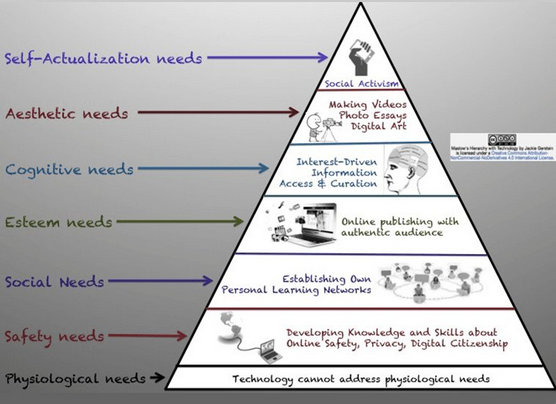
I saw the above image on Twitter today, courtesy of Mark Barnes (originally from this post by Jackie Gerstein) and it got me thinking. How much more could we say about the uses of technology when we place them up against a pre-digital age theory such as Maslow's Hierarchy of Needs model? I did something similar when I speculated on how Paulo Friere might view blogging. I followed this up with Lev Vygotsky, Jean Piaget and how learning from YouTube draws on constructivist theories, and then Wikipedia - a Marxist perspective. You can have a lot of fun with this approach to personalised learning.

Maslow's Hierarchy is a very well know theory, and has featured in numerous slides, journals, books and blogs in the past. It's a simple model and requires little effort to see how it could be applied to explain motivation. Yes, it has problems, conceptually, structurally and academically. Carl Rogers for example, disputed its relevance as a hierarchical progression of activities, when he claimed that he had observed people self actualising instantly. The concept of self-actualisation is in itself problematic, and the means through which Maslow obtained his data have also been cast into doubt.

But putting these objections aside, there is a lot that could be done with this model and its application to an explanation of how we use technology. Does technology offer no support whatsoever for physiological needs? What about Fitbits and other health related wearable technologies? The model in the graphic also misses out on some important higher level connections - what about digital music making in the aesthetic area? (In fairness, Jackie mentions this in the original post) In the orginal Maslow model, a higher level - transcendence - is included which is almost always missing from published versions - usually because it is poorly understood. What technologies might apply to this level of human experience?

Image courtesy of Jackie Gerstein

Creative Commons License
Maslow, technology and learning by Steve Wheeler was written in Plymouth, England and is licensed under a Creative Commons Attribution-NonCommercial-ShareAlike 3.0 Unported License.


January 13, 2017

Binge learning

I have a confession to make. Over the festive period I binge-watched a number of DVD boxed sets. I watched multiple episodes of the Walking Dead, Scandal and Game of Thrones. It hasn't got any better. Now work has started again, I've been spending time each evening watching The West Wing.

I'm not going to lie. Watching DVD boxed sets is really addictive. These writers know what they are doing. No sooner has one plot been resolved, than another cliffhanger is presented. They keep you coming back for more. 'I'll just watch one more episode,' I promise myself. Three hours later, I'm still there, rooted to the spot, my imagination running wild. Maybe I'll grow out of this one day soon.

This got me thinking. During my undergraduate days, while studying psychology, I did a very similar thing. But back then I binge studied. As I was studying part time, while holding down a full time job, I had to develop some special strategies not just to avoid falling behind. I wanted to stay ahead of the curve.

I managed to get hold of every text book on the reading list, and devour them before each new academic year started. It was absolutely compelling. I was totally in the grip of psychology and couldn't get enough. I recall spending hours in the evenings and at weekends with my head buried in one text book after another, making notes, colour coding pages, highlighting text, and writing assignments. Several times I swear, I studied right around the clock, went into work the next day and then crashed out that evening.

I wouldn't recommend this form of study to just anyone. But if you are obsessed with something, you are likely to find as many ways you can to make it happen. I was like that with my academic studies. It was the compelling nature of the content I was learning that kept me engaged with such intensity.

The question for all teachers is - how do we achieve high levels of sustained engagement with our students? What do we need to do, or produce, or develop that will compel students to learn and learn and learn? For each of us, a different answer will occur. Feel free to share your ideas below in the comments box. I will get round to reading them, but.... first I'm off to watch another episode or three of The West Wing.

Photo from Max Pixel

Creative Commons License
Binge learning by Steve Wheeler was written in Plymouth, England and is licensed under a Creative Commons Attribution-NonCommercial-ShareAlike 3.0 Unported License.


January 05, 2017

5 of the best

I find it useful to look back to see what were the most popular blog posts of the previous year. In retrospect, trends are more observable than they are when you're in the thick of it.

My learning definitions series #learningis (13 posts) proved to be popular with a combined hit count of almost 50,000 views. It kicked off after I watched a video of some teachers at Geelong College in Australia, talking about their definitions of learning.

As 2016 was my 40th year working in educational technology, I also started another series of posts called #40years (7 posts), which traced the history of learning technology from 1975 to the present day. The series attracted a combined total of over 21,000 views.

My top five individual blog posts of 2016, measured by hit count and the number of comments, are as follows:

Digital Literacies in the age of remix (13054 hits, 9 comments)
7 ways to assess without testing (8692 hits, 3 comments)
What we think about technology (6623 hits, 4 comments)
Cheating watch scandal (6095 hits, 13 comments)
What is innovative teaching? (5833 hits, 17 comments|)

It's interesting to note that all but one of the above posts featured assessment in their text. Assessment of (and particularly for) learning seems to be a recurring theme that exercises the minds of teachers around the globe. It can be a thorny topic and a bone of contention for any number of reasons, but continues to absorb most of the oxygen in the debate about what constitutes good pedagogy. Another emerging theme is the idea of innovation - and the question of how teachers can break out of the rut they sometimes mire themselves within. Routine and schedule can be a huge barrier to new ideas, and creative pedagogy is often stifled due to lack of time or support.

This certainly gives me more ideas for blog posts over the next year, and leaves me with hope that blogging is still a powerful and effective means of conveying ideas, engaging communities of practice and sharing resources.

Photo by Woodleywonderworks on Flickr

Creative Commons License
5 of the best by Steve Wheeler was written in Plymouth, England and is licensed under a Creative Commons Attribution-NonCommercial-ShareAlike 3.0 Unported License.


January 04, 2017

Legends in their own lunchtime

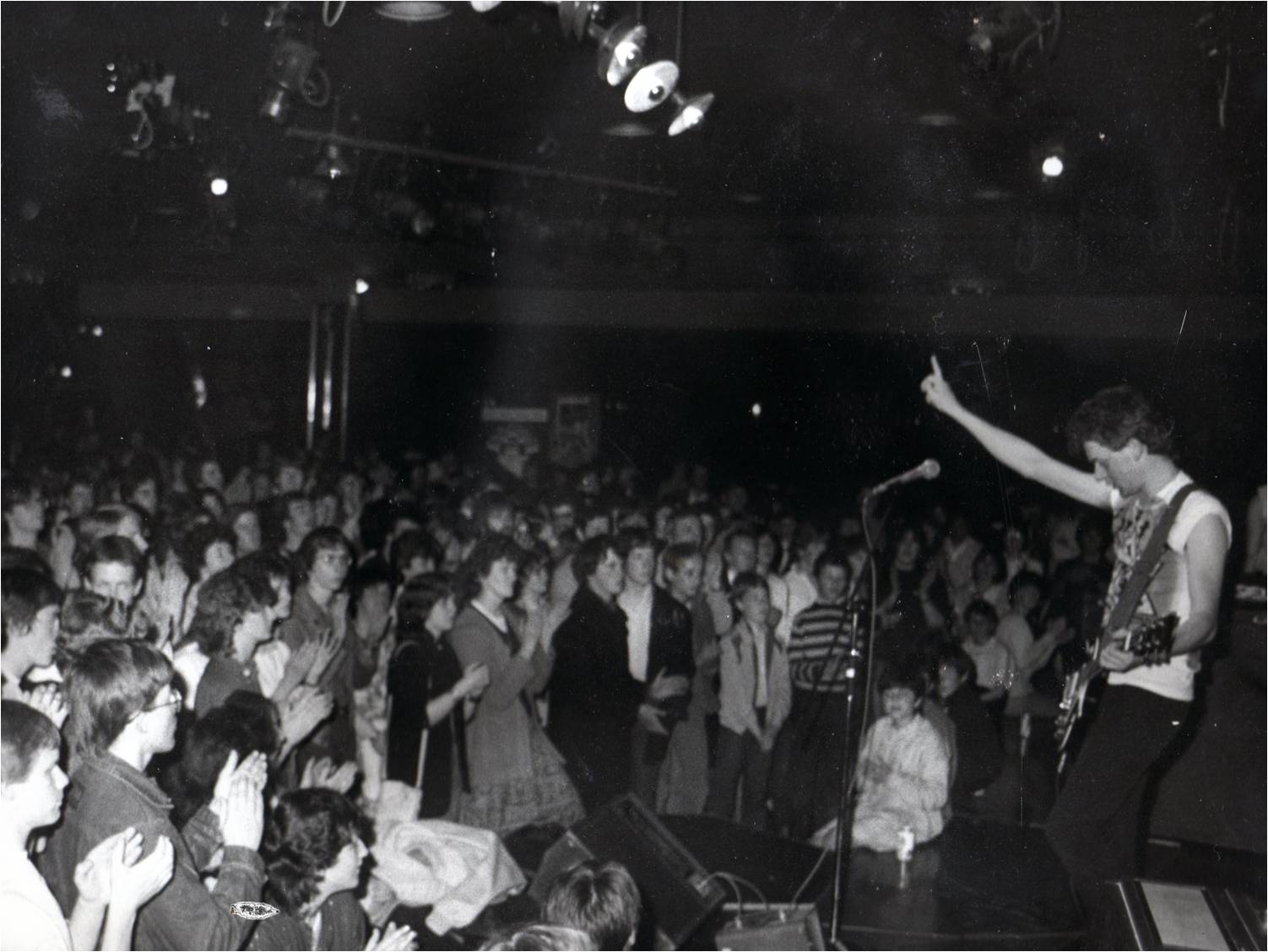
Yes, that's me on the right, wielding my axe
There's a lot to be said for lunchtime activities. When I attended AFCENT international school in the Netherlands, I would often find myself in the music room, listening to friends and staff playing impromptu concerts. It was great to sit cross-legged on the carpet, eating your sandwiches, chatting to friends and listening to live music.

One lad, a few years older than me, was a great blues guitarist. He would regularly stand up and play some great guitar riffs on his electric guitar. The most remarkable thing about his guitar was that he had made it himself, over one academic year, as his creative design and technology project.

This series of jam sessions in the music room turned me on to the power of music, but also inspired me to create my own instruments. I went on to build my own polyphonic keyboard synthesiser, and several speaker cabs for my first public address system. I played semi-professionally for seven years with a touring rock band, developing my creative and expression skills, increasing my confidence, and learning about song writing, communication, acoustics, visual and auditory presentation, design and technology. I'd like to think that all of this stemmed from time spent in those wonderful school lunchtime music concerts.

Does your school hold lunchtime events? What value do you place on them? Your comments and ideas, as ever, are very welcome.

Photo by Ian Dent

Creative Commons License
Legends in their own lunchtime by Steve Wheeler was written in Plymouth, England and is licensed under a Creative Commons Attribution-NonCommercial-ShareAlike 3.0 Unported License.


January 03, 2017

Reasons to be teaching

The two most important days in your life are the day you were born, and the day you find out why. - Mark Twain.

Discovering that above all other things, you want to be a teacher, is one thing.

Seeing that long and sometimes tortuous journey through to its conclusion is another.

When my graduands leave university each year, they embark on a career that will be highly rewarding, but also physically, emotionally and intellectually challenging. They are full of energy, creativity and vision. Within a short time, many have become deflated. At the start of the year, it is more evident than ever. As the schools reopen after the festivities, many teachers drag themselves out of their homes and make their way reluctantly in the cold and dark, back to the classroom, knowing that another hard term is ahead. It will be a term filled with preparation and paperwork - lesson plans, resources, reports, assessment, attendance records, letters to parents, risk assessments, possibly even an Ofsted visit (school inspection) - and all the other seemingly peripheral work that accompanies the actual teaching of children. It will be a tiring time, keeping up the momentum, finding the extra energy required to keep children engaged for so many hours each day.

It is easy to forget the initial zeal when you are weary, stressed and knee-deep in behaviour management issues, shortage of resources and time, and a classroom full of children who are not fully on task. It is then that many teachers question their presence in a school, and wonder if some other profession might have been easier, or less taxing.

And yet, at this time of the year, when reserves are low, and the festive holidays are now just a fading memory, the time is right to reflect on what it actually means to be a teacher. Being an educator of children is one of the most noble callings anyone could answer. Choosing to educate means being a professional learner. How you learn often reflects how you teach. If you select the most appropriate pedagogical approaches, you portray learning at its best. Children learn to learn, and this provides them with the chance to make a lifetime of independence, resilience and success.

How you behave while in view of the children teaches them something else. Your demeanour conveys to them how they might also behave in similar situations, later in their lives (Lunenburg et al, 2007). Like it or not, a child's teacher is her role model, who she will either studiously copy, or deliberately avoid, depending on the teacher. Most importantly, teachers can inspire children to achieve far beyond what they might be capable of achieving on their own. The best teachers spur children on to do their best, or even to excel in their learning. Children who are inspired and motivated are often more creative and imaginative in their work (Jeffrey, 2008).

So, if you ever doubt why you are a teacher, stop and think. Remember your initial calling - that moment you discovered why you were really meant to be here. Think of those special moments when children show you how they have learnt something new. Consider the excitement when they are in the zone and nothing else matters but what they are learning. And then think about the part you played in that achievement. Then you will know.

I wish you a very successful new year of learning and teaching.

References
Jeffrey, S. (2008) Creativity Revealed. Kingston, NY: Creative Crayon
Lunenburg, M., Korthagen, F. and Swennen, A. (2007) The teacher as a role model. Teaching and Teacher Education 23, 586-601.

Photo from Public Domain Pictures

Creative Commons License
Reasons to be teaching by Steve Wheeler was written in Plymouth, England and is licensed under a Creative Commons Attribution-NonCommercial-ShareAlike 3.0 Unported License.


December 30, 2016

Passing of the year

2016 was arguably an unprecedented year for celebrity deaths. Social media channels may have glowed red hot with the seemingly relentless demise of a procession of celebrities - entertainers, astronauts, authors - occasionally entire bands, and other well known individuals from the public sphere. Less reported in the mainstream media was the passing of a number of important individuals that have impacted significantly on the world of education. Earlier this year I wrote tributes to two of the key pedagogical theorists of the last century, Jerome S Bruner and Seymour Papert. The former was the man behind a number of recent developments in educational practice, including scaffolding and the spiral curriculum, the latter was well known for his work around Constructionism (learning through making) and the development of one of the first educational coding tools - LOGO.

Two other significant deaths that slipped under the radar for many, even those in the teaching community, were Gavriel Salomon (January 4) and Alvin Toffler (June 27). Salomon, an educational psychologist from Israel, was interested in studying the effects of technology on cognition and learning. Perhaps his greatest contribution to our knowledge about educational technology came in the form of his theory of transfer of learning (a theory that can be applied to learning through problem solving), but he also did extensive work into the optimal design of cognitive tools and learning environments.

Although Toffler was not directly engaged with the world of education, he was still influential. He studied the sociological effects of new and emerging technologies but he had much to say about how these might be applied to improve formal education spaces. In seminal publications such as Future Shock and The Third Wave, Toffler traced the impact of emerging technologies, innovation and change, and speculated on the future of society. His prediction (from 1980) that 'a great deal of education will take place in the student's own room... at the hours of his choosing' is coming to fruition, although other predictions such as education shifting away from standardisation are yet to be realised.

Our world is poorer for the passing of these great thinkers, but we are grateful for their rich legacies.

Photo by Frankie Leon on Flickr

Creative Commons License
Passing of the year by Steve Wheeler was written in Plymouth, England and is licensed under a Creative Commons Attribution-NonCommercial-ShareAlike 3.0 Unported License.


December 21, 2016

The EDEN interviews: Melissa Highton

Every once in a while I get to interview someone who offers amazing ideas and inspirational thoughts on the future of education. It's easy to interview them, because they start to talk, and you are drawn into new thoughts and possibilities, and the interview takes care of itself. Once such person was Melissa Highton, who as Director of Learning, Teaching and Web Services at the University of Edinburgh, is in a unique position to shape the future learning and research practices of a generation of scholars. Melissa's blog posts and other content reveal some clearly innovative approaches to the open use of content in higher education.

Following her keynote at the EDEN annual Conference in Budapest, she sat down with me to discuss some of her ideas about open content, distance learning and open licensing. One of the fascinating innovations she talked about was Edinburgh's Wikimedian in residence - the person in her department responsible for archiving of, and advising on, reusable and open content and media. Several exciting ideas feature in the discussion, including Wikipedia editathons, where pages on specific subjects are intensively researched and edited during a session, to improve and update their content. Listen in as we discuss these and many more ideas about the future of learning and education.


Photo from Pixabay

Creative Commons License
The EDEN Interviews: Yves Punie by Steve Wheeler was recorded in Budapest, Hungary and is licensed under a Creative Commons Attribution-NonCommercial-ShareAlike 3.0 Unported License.


December 18, 2016

The EDEN Interviews: Yves Punie

It was a distinct pleasure to sit down in conversation with Yves Punie at the 25th EDEN Conference in Budapest in June.

Yves is Senior Scientist at the European Commission Institute for Prospective Technological Studies, and is an expert in digital competencies.

I have worked with Yves before and greatly respect his thinking and views on education in general, and on digital competencies in particular. Here we took some time to discuss the terminology behind this concept, and also explored how people live and learn in the digital age.

I think you will agree that Yves has a very sharp mind and is expert at explaining digital competencies - during the interview he reveals the results of some of the research he has recently been conducting into this important area.


Video courtesy of EDEN
Photo by William Starkey on Geograph

Creative Commons License
The EDEN Interviews: Yves Punie by Steve Wheeler was recorded in Budapest, Hungary and is licensed under a Creative Commons Attribution-NonCommercial-ShareAlike 3.0 Unported License.


December 16, 2016

Self fulfilling prophecies

This is number 36 in my continuing series of blog posts about learning theories. Psychology has contributed much to our understanding of how people learn, and listed alphabetically below are all of the previous theories I have featured in this series. My most recent post featured locus of control theory, and today's post is about the Pygmalion Effect in education. As with all posts, this is a brief overview and a personal perspective on the application of the theory in practice. If you wish to delve deeper, you are advised to read the associated literature and sources.

The theory

Robert Rosethal and Leonora Jacobson conducted studies in American schools during the 1960s focused on the effect teachers can have on the learning performances of children. The predicted that teacher behaviour and expectations would directly affect learning in the classroom. All students in the schools were given an IQ test, but the results were not disclosed directly to the teachers. Instead, Rosenthal and Jacobson told the teachers that certain children (whom they had selected at random) had a strong potential to be 'intellectual bloomers' over the coming year. When they returned to perform a similar IQ test later that year, they discovered an intellectual gain amongst the children labelled as 'intellectual bloomers' that exceeded many of the children in the classes. From this, Rosethal and Jacobson deduced that teachers had treated these children differently, possibly lavishing more attention on them than they had with the rest of the students in the class. This effect is commonly known in education as the 'Pygmalion effect' but is more accurately referred to as the 'observer-expectancy effect'.

How it can be applied in education

Clearly, teachers can profoundly influence the learning of children in school. It is possible that this effect also extends to students in higher and further education. High expectations from teachers often lead to high performance from their students, but it is just as likely that low expectations can result in poor performance (known as the Golem effect). These effects are extreme ends of the same continuum of 'self fulfilling prophecies' that can be observed in classrooms. It is important for teachers to realise that the potential impact of what they say and do can be profound. Teachers who are aware of these effects will understand the power they possess to positively influence the lives of children. According to the self fulfilling prophecy, teachers literally have the power to make or break students.

Previous posts in this series:

1.  Anderson ACT-R Cognitive Architecture
2.  Argyris Double Loop Learning
3.  Bandura Social Learning Theory
4.  Bruner Scaffolding Theory
5.  Craik and Lockhart Levels of Processing
6.  Csíkszentmihályi Flow Theory
7.  Dewey Experiential Learning
8.  Engeström Activity Theory
9.  Ebbinghaus Learning and Forgetting Curves
10. Festinger Social Comparison Theory
11. Festinger Cognitive Dissonance Theory
12. Gardner Multiple Intelligences Theory
13. Gibson Affordances Theory
14. Gregory Visual Perception Hypothesis
15. Hase and Kenyon Heutagogy
16. Hull Drive Reduction Theory
17. Inhelder and Piaget Formal Operations Stage
18. Jung Archetypes and Synchronicity
19. Jahoda Ideal Mental Health
20. Koffka Gestalt theory
21. Köhler Insight learning
22. Kolb Experiential Learning Cycle
23. Knowles Andragogy
24. Lave Situated Learning
25. Lave and Wenger Communities of Practice
26. Maslow Hierarchy of Human Needs
27. Merizow Transformative Learning
28. Milgram Six Degrees of Separation
29. Milgram Obedience to Authority
30. Norman The design of everyday things
31. Papert Constructionism
32. Paivio Dual Coding Theory
33. Piaget Cognitive Stages of Development
34. Quillian and Collins Spreading Activation Theory
35. Rotter Locus of Control

Photo by Dhillan Chandramowli on Flickr

Creative Commons License

Self fulfilling prophecies by Steve Wheeler was written in Plymouth, England and is licensed under a Creative Commons Attribution-NonCommercial-ShareAlike 3.0 Unported License.


December 15, 2016

Who's in charge?

This is number 35 in my ongoing series on learning theories. In this series I have been providing a brief overview of each theory, and how each can be applied in education. All the previous posts in this series are linked below, with theorists listed in alphabetical order. The most recent post in this series featured spreading activation theory - a theory adapted from a hierarchical model of memory proposed by Ross Quillian and Allan Collins. In this post, I present a brief overview of Julian Rotter's locus of control theory. As always, this is a brief and concise explanation of the theory, and a personal interpretation of its possible uses in education. If you wish to delve deeper, you are advised to read the associated literature.

The theory

American psychologist Julian Rotter developed locus of control theory to address the fundamental question many of us ask - who is in control of my life? The theory explains social dimensions of personality. According to Rotter, people either view their position in life as being defined by external or internal influences. A person with an internal locus of control would generally view their success (or failure) as being the result of their own ability and/or actions. Those who have an external locus of control consider their success or failure to be the result of forces beyond their immediate control (e.g. luck or intervention from others). Locus of control has connections to a number of other social theories of personality including self-efficacy (Bandura) and attribution theory (Weiner).

How it can be applied in education

In education, locus of control usually rests with the teacher. In student centred approaches, the locus of control shifts to the learner. Allowing students to control their own learning encourages them to believe they can influence academic outcomes through their own ability and efforts. If students believe they have little or no influence over their own outcomes they may adopt attitudes that are negative and pessimistic. Too much teacher control can also lead to demotivation. Student centred learning encourages learners to develop an internal locus of control where anything is possible, and where in progressive versions, they choose what they will learn, how they will learn it and even how they will be assessed. However, there is a fine balance between giving students too much freedom, with little or no scaffolding, and enough freedom and responsibility for their own learning. Teachers might therefore ask themselves - who is in charge?

Previous posts in this series:

1.  Anderson ACT-R Cognitive Architecture
2.  Argyris Double Loop Learning
3.  Bandura Social Learning Theory
4.  Bruner Scaffolding Theory
5.  Craik and Lockhart Levels of Processing
6.  Csíkszentmihályi Flow Theory
7.  Dewey Experiential Learning
8.  Engeström Activity Theory
9.  Ebbinghaus Learning and Forgetting Curves
10. Festinger Social Comparison Theory
11. Festinger Cognitive Dissonance Theory
12. Gardner Multiple Intelligences Theory
13. Gibson Affordances Theory
14. Gregory Visual Perception Hypothesis
15. Hase and Kenyon Heutagogy
16. Hull Drive Reduction Theory
17. Inhelder and Piaget Formal Operations Stage
18. Jung Archetypes and Synchronicity
19. Jahoda Ideal Mental Health
20. Koffka Gestalt theory
21. Köhler Insight learning
22. Kolb Experiential Learning Cycle
23. Knowles Andragogy
24. Lave Situated Learning
25. Lave and Wenger Communities of Practice
26. Maslow Hierarchy of Human Needs
27. Merizow Transformative Learning
28. Milgram Six Degrees of Separation
29. Milgram Obedience to Authority
30. Norman The design of everyday things
31. Papert Constructionism
32. Paivio Dual Coding Theory
33. Piaget Cognitive Stages of Development
34. Quillian and Collins Spreading Activation Theory

Photo by NEC Corporation on Flickr

Creative Commons License

Who's in charge? by Steve Wheeler was written in Plymouth, England and is licensed under a Creative Commons Attribution-NonCommercial-ShareAlike 3.0 Unported License.


December 09, 2016

Words in mind

This is number 34 in my learning theories series. Psychologists and cognitive scientists have offered a number of useful theories that aid our understanding of learning. In this series I have been providing a brief overview of each theory, and how each can be applied in education. All the previous posts in this series are linked below. The last post in this series featured the stages of cognitive development model proposed by Jean Piaget. In this post I examine a cognitive theory - spreading activation theory - adapted from a hierarchical model of memory proposed by Ross Quillian and Allan Collins. As usual, this is a brief and concise explanation of the theory, and if you wish to delve deeper, you are advised to read the associated literature.

The Theory

In human experience, memory and recall are the twin cognitive processes upon which all learning is based. To retrieve an item from long term memory, the brain traverses a large network of information. Sometimes, although the information is in long term memory, it cannot be accessed. This is due to a number of possible reasons, but often is due to weak connections. Spreading Activation is a primer theory - it explains how we create shortcuts by strongly connecting information. According to this theory information is thought to be organised in hierarchies, and it is easier (quicker) to retrieve ideas and words that are closely related together than to retrieve words that are less closely related. If you are primed with a key word before being asked to retrieve another word, the recall is often quicker.

If I asked you which of these breathe - cat, dog, tapir, axolotl - you might take longer to answer for some than for others. The speed at which you respond is dependent on your knowledge. Familiar animals are more quickly recognised as 'breathing' than less familiar animals such as axolotl or tapir. Because the latter are farther down the chain of association, it will take longer to be able to decide whether or not they breathe. If however, the primer word 'animal' is first introduced, all can be identified as 'breathing' and the response is usually much quicker.

How it can be applied to teaching and learning

In computer science, the spreading activation model has been one of the key influences on the development of semantic networks. Semantic networks operate on the principle that knowledge can best be represented as a set of concepts that are related to each other. To enable students to remember ideas and concepts better, associations can be made with objects, images, sounds, actions, tastes, aromas and other memorable sensory experiences. Stephen Heppell has written about the positive impact aromas such as baking bread can have on learning in schools. There has been research into the impact of different lighting schemes in classrooms (red light wakes us up in the morning, blue lights have a calming influence). Helping learners to make connections between movement and visualisation is a common technique in physical education and sport.

All of these methods have elements of spreading activation. Priming students with key words after they have learnt more complex content can enable them to associate the two, and promote better recall later on. When I was studying for my first degree and I needed to remember lots of names, dates and theories, I did myself a big favour. For each new theory or experiment I learnt, I created a flash card with these three elements on it, and placed it strategically somewhere in my home. As I moved around my home each day and encountered the cards, I recalled each experiment and its impact. Later, when I needed to recall the name of a psychologist or experiment, I would simply visualise the location of the flashcard in my home which would activate the three elements. This in turn would activate the memories of what the experiment was about and its impact.

Previous posts in this series:

1.  Anderson ACT-R Cognitive Architecture
2.  Argyris Double Loop Learning
3.  Bandura Social Learning Theory
4.  Bruner Scaffolding Theory
5.  Craik and Lockhart Levels of Processing
6.  Csíkszentmihályi Flow Theory
7.  Dewey Experiential Learning
8.  Engeström Activity Theory
9.  Ebbinghaus Learning and Forgetting Curves
10. Festinger Social Comparison Theory
11. Festinger Cognitive Dissonance Theory
12. Gardner Multiple Intelligences Theory
13. Gibson Affordances Theory
14. Gregory Visual Perception Hypothesis
15. Hase and Kenyon Heutagogy
16. Hull Drive Reduction Theory
17. Inhelder and Piaget Formal Operations Stage
18. Jung Archetypes and Synchronicity
19. Jahoda Ideal Mental Health
20. Koffka Gestalt theory
21. Köhler Insight learning
22. Kolb Experiential Learning Cycle
23. Knowles Andragogy
24. Lave Situated Learning
25. Lave and Wenger Communities of Practice
26. Maslow Hierarchy of Human Needs
27. Merizow Transformative Learning
28. Milgram Six Degrees of Separation
29. Milgram Obedience to Authority
30. Norman The design of everyday things
31. Papert Constructionism
32. Paivio Dual Coding Theory
33. Piaget Cognitive Stages of Development

Photo from Wikimedia Commons

Creative Commons License

Words in mind by Steve Wheeler is licensed under a Creative Commons Attribution-NonCommercial-ShareAlike 3.0 Unported License.


November 30, 2016

...or not to lecture

In my previous post I wrote that even though research shows lectures to be less than effective in helping students to learn, they still persist in higher education. I also promised to blog about some of the alternatives when it comes to teaching very large groups, and here it is. The key question is: What can replace the lecture?
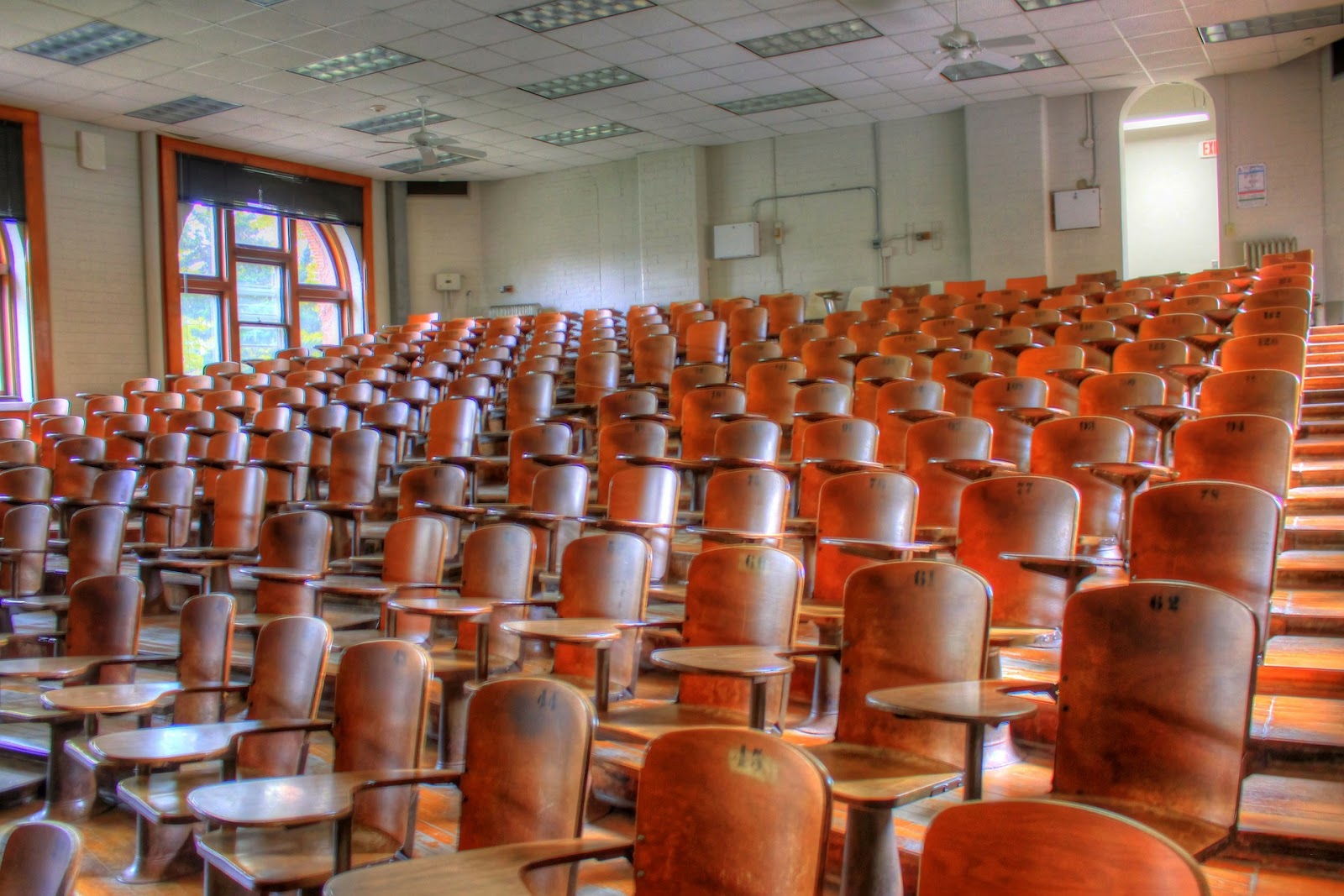
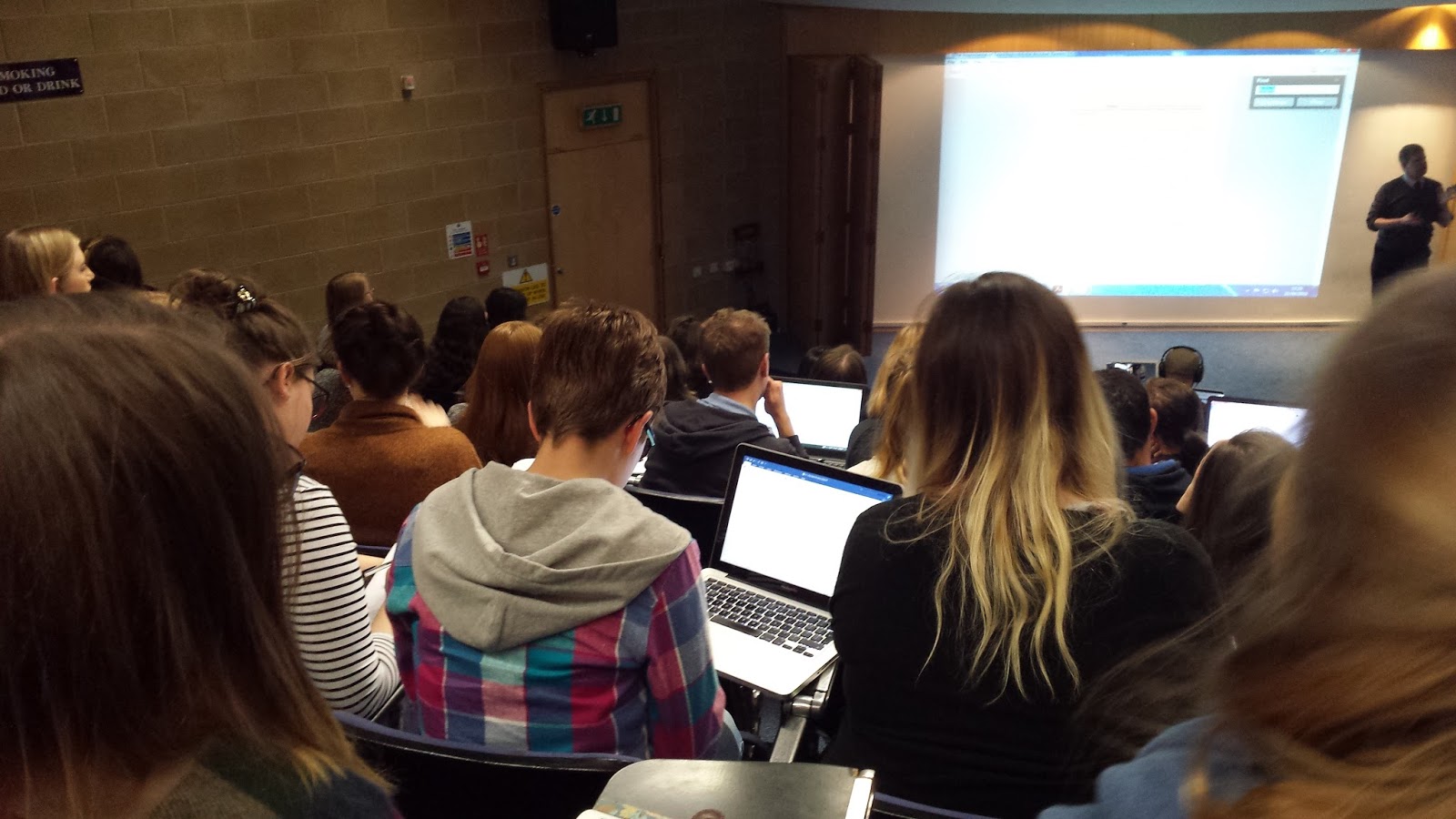
One of the first things to understand about teaching large groups is that they are made up of many individuals who are all just as anxious as each other to do well in their studies. Therefore, although there is great temptation for lecturers to treat 200 students as a group, they should really be trying to reach each individual student, and engage them in learning at the deepest possible level. There is no point simply talking at them for an hour. Most students will switch off. Worse still, they may decide not to attend lectures at all. Deeper learning often only comes about when we gain the interest of our students.

How can we promote better engagement with large groups in lecture theatres? One of the constraints of the lecture theatre is its design. Rows and rows of front facing, tiered seating are not conducive to discussion, but often the 'turn to the person next to you and...' kind of instruction can work at a superficial level. Until universities start to reconfigure lecture theatres and build spaces more friendly to discussion, we are left with finding ways to adapt existing traditional spaces. Moving large groups into break out rooms, or trying to use the spaces at the sides of lecture theatres can be disruptive or hazardous, and may often not be possible. If it is not an option, then alternatives to discussion must be sought.

Presenting large groups of students with a challenge or a problem is often effective in enabling individuals to tackle concepts or theories in an active manner. Problem based learning has been shown to be effective in encouraging students to engage at a high level with learning. With the lecturer moving around the room listening in to conversations and intervening to prompt, challenge or consolidate ideas can further engage students.

Technology can be an additional prompt for active learning. The concept of TEAL - Technology Enabled Active Learning - is one example. The MIT version of TEAL involves large group teaching through a combination of instruction, collaborative activities and media rich simulations and interactions. One of the key factors for success is that students work together on shared devices such as laptops. This enables more discussion and interaction, and students scaffold each other in their learning. Here's something I wrote about TEALs in a previous post - which highlights the importance of the teacher:

As a response to the problems of learning in homogenised, regimented environments such as classrooms and lecture halls, Technology Enhanced Active Learning (TEAL) came into being. It is one of several approaches to moving away from tedious and passive learning environments where students are expected to listen, take notes and remember what is being said and presented. TEAL spaces feature several characteristics, including flexible learning spaces where furniture can be moved into many alternative configurations, technology enriched contexts (wireless and untethered, web enabled and personal technologies) and a shift from teacher led lessons to student centred learning, where the learner can take control, and the teacher facilitates. One argument is that simply having access to personalised technologies creates conducive conditions in which active learning can occur. However, the role of the teacher is also paramount in the success of TEAL approaches. Without strategic input from teachers at critical junctures during a lesson, and without some clear goal or set of objectives, students can lose focus, become distracted and go off task.

If universities are serious about engaging students in deeper forms of learning, then several things need to happen. There needs to be a change in emphasis from teaching to learning, a shift in pedagogy is required, and the infrastructure and spaces in which formal education occurs need to be reformed. If universities are not serious about transforming learning experiences, then we can expect no significant changes anytime soon.

Photo by Steve Wheeler

Creative Commons License
...or not to lecture by Steve Wheeler was written in Plymouth, England and is licensed under a Creative Commons Attribution-NonCommercial-ShareAlike 3.0 Unported License.


November 28, 2016

To lecture...

A recent article on the BBC News website asks why lectures aren't obsolete. It seems strange that although research points to their ineffectiveness as a method of learning, lectures still figure predominantly in higher education. Some academics might argue that when faced with a large group of 150 or more students, the lecture is the only viable method. Patently this is untrue, but moving away from this traditional method seems to be a complex problem to address.

In the light of all the new technologies that are now available to universities, the article asks, why has the lecture refused to go away? One astute observation is that even when universities do adopt online modes of teaching such as MOOCs, all that seems to occur is the lecture is transferred to digital format. This is sometimes referred to pejoratively as 'shovelware' in academic circles, because course designers and lecturers can't seem to break out of the traditional mode of thinking about teaching, and simply shovel their content across into digital format. As a result, a lot of content found on university VLEs consists of PowerPoint slides or other lecture oriented artifacts - of which more later.

There are three issues to consider here. The first, as has been clearly articulated by Vicki Davis, is that technology should be used to support student learning and as a set of tools to encourage the creation of original/new content. It should never be used to control learning or to determine the content students to which they have access. Too often, the pace and direction of learning continue to be dictated by the sage on the stage.

The second issue is that lecturers often use technology as a substitute for interactivity, assuming that the inclusion of a video for example, will deliver content in a new and dynamic manner. Video certainly has its place in the learning environment, but it should never be used as a surrogate for good dialogue or other discursive learning activities. Video, as with any technology, should be used as a stimulus to thinking and should never become a stopgap when the lecturer needs to pad out some time.

The third concerns the nature of the lecture itself. If a lecture is nothing more than an expert standing in front of an audience speaking for an hour, then there are clearly issues around its effectiveness. Many lectures do fit this profile, and even those where academics try to embellish with technology can fall flat. This is usually because the addition of features such as PowerPoint slides merely replace or reinforce the didactic method. The majority of lecture slides contain little more than text and bullet points, which tempts lecturers to read from them. The problem with this is that many lecture slides are more for the benefit of the lecturer than they are for the students.

Notwithstanding these issues, I believe there is some hope. In my next blog post I'm going to argue that lectures can be transformed into active learning events with the appropriate application of pedagogy and technology.  I hope to offer some examples of alternative methods to lecturing that can, and do, engage large groups of students.

Photo by Archbob on Pixabay

Creative Commons License
To lecture... by Steve Wheeler was written in Plymouth, England and is licensed under a Creative Commons Attribution-NonCommercial-ShareAlike 3.0 Unported License.


<< Back Next >>