Log on:
Powered by Elgg

Clara O'Shea :: Blog

January 28, 2012

Clifford Nass knows about multi-tasking. Quite simply, his message is that we're no good at it. And, the more we try to multi-task the worse we get at each of the tasks we're attempting.

Nicholas Carr (The Shallows) is with him. While it seems that the popular interpretation of Miller's Magic Number 7 that we can store up to 7 things in working memory at once was not entirely what he meant in 1950's, Carr goes on to tell us that this number is actually more like 2, maximum 4. The idea of cognitive overload is that if we put more in than we can take, something else has to come out. Keep pouring into that glass and it overflows.

So, brutally summarising their work in one sentence Nass tells us we need to focus on one task at a time to be most successful, Carr that if we need more than a couple of things in our working memory that'll start to go wrong. We can't multi-task.

The good news is years of research into cognitive science are backing up my Pac-man strategy. Nass and Carr wouldn't be watching the ghosts at the same time as planning their route round the maze, with the television on in the background and their phone ringing. They would have a strategy in place, complete a section, pause to watch the movement of the ghosts and then carry on, focus on each particular skill as required.

Pac-man is a beautiful model for something that I'm certain I'll return to in later posts. As both men allude to in the clips above, the skill here is not trying to process many parallel streams at once, but in learning which to filter out, how to prioritise the many sources of information coming in.

If you're wondering what it is that Pac-man is teaching us as educators, and why I'm still writing about it after 2 weeks, that's it right there. Pac-man makes us better uni-taskers.

Image sources (and apologies to all concerned for what might be the worst piece of Photoshop I've ever done) - Wired, Atari Age.

Posted by Tim Dalton | 0 comment(s)

January 24, 2012

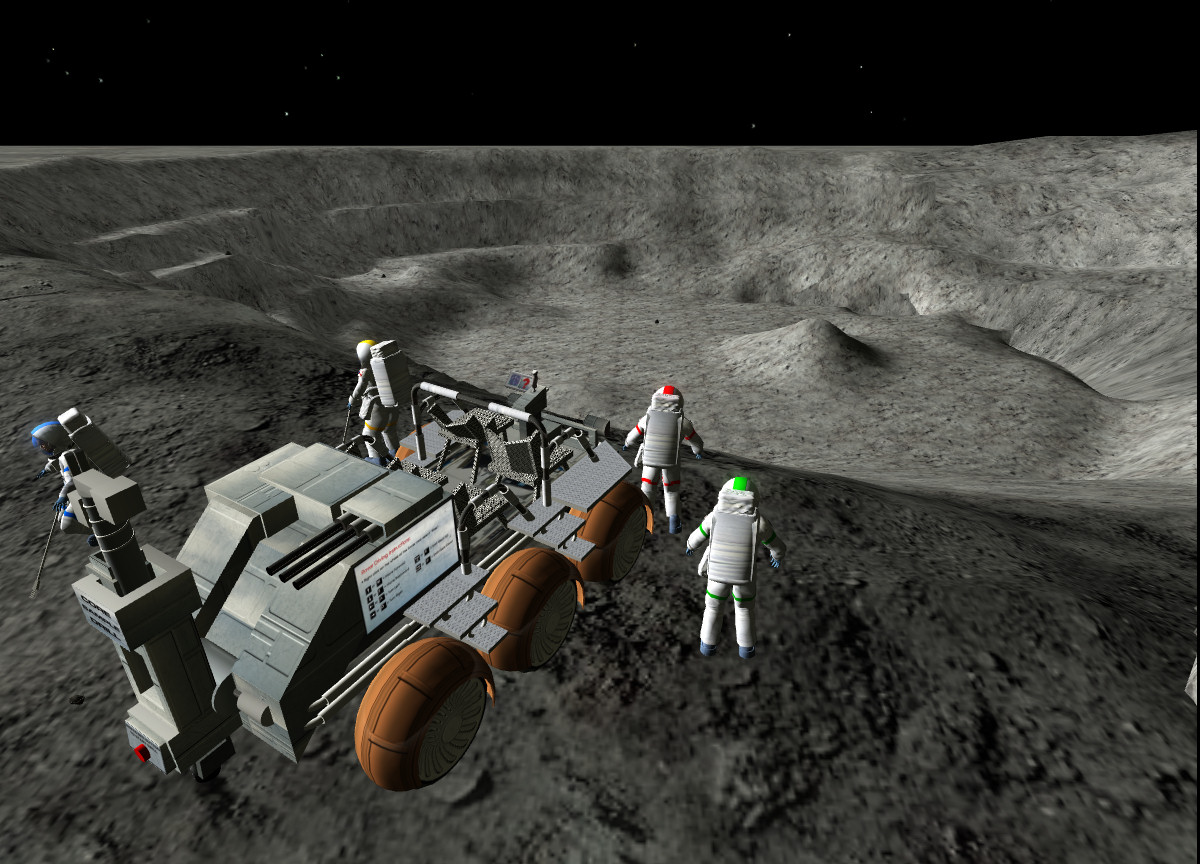
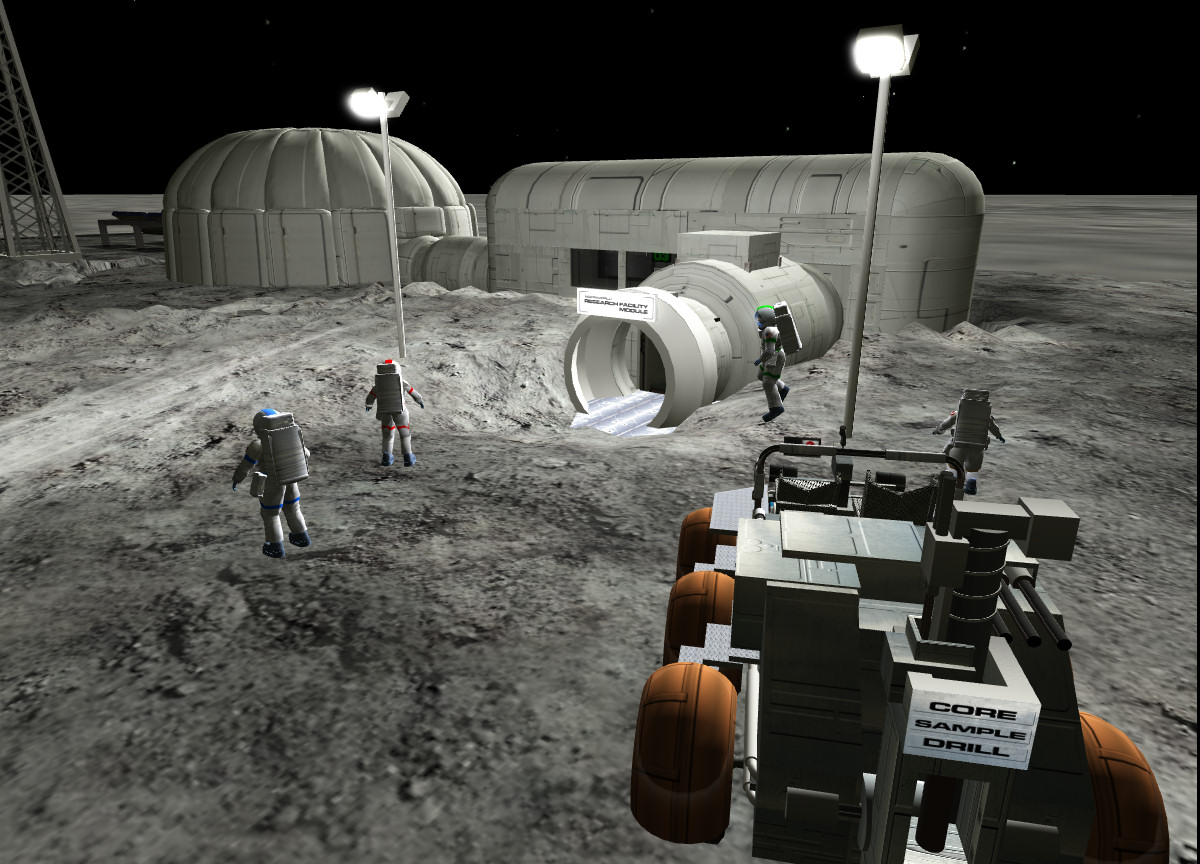
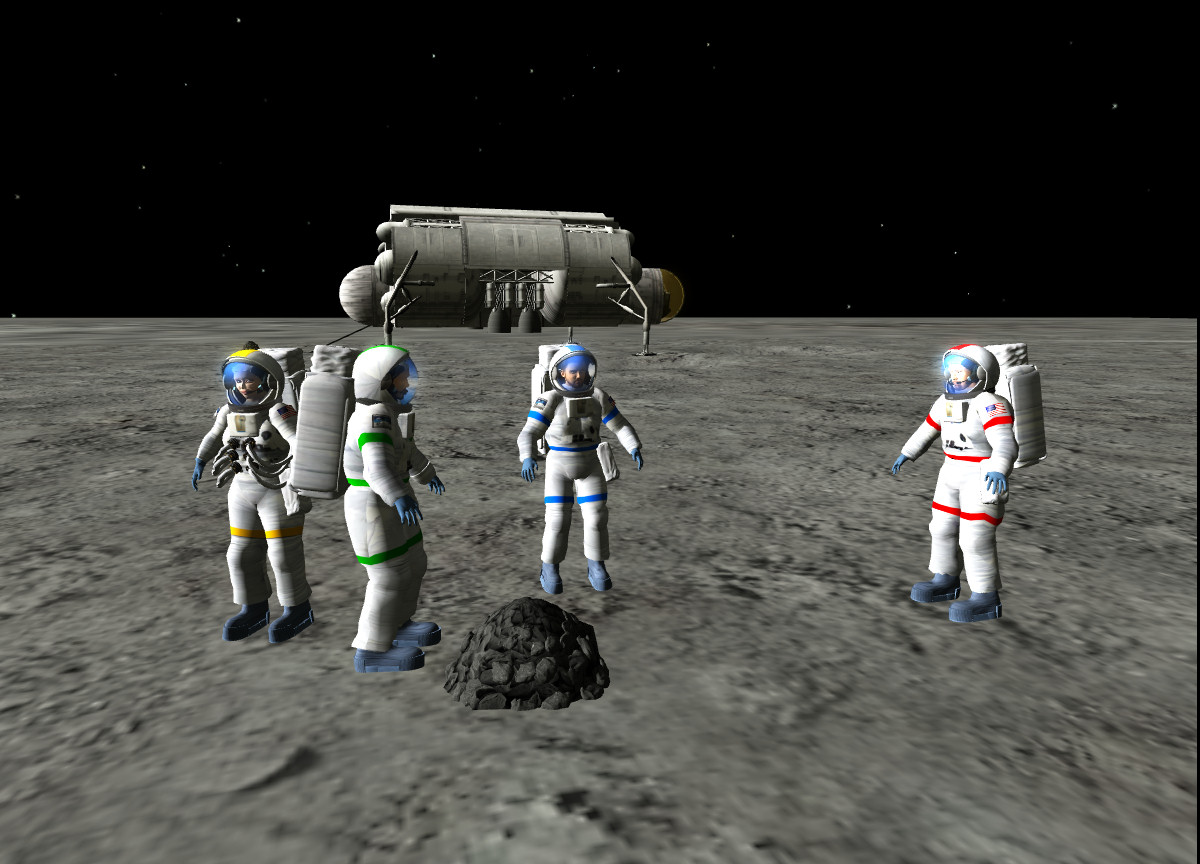
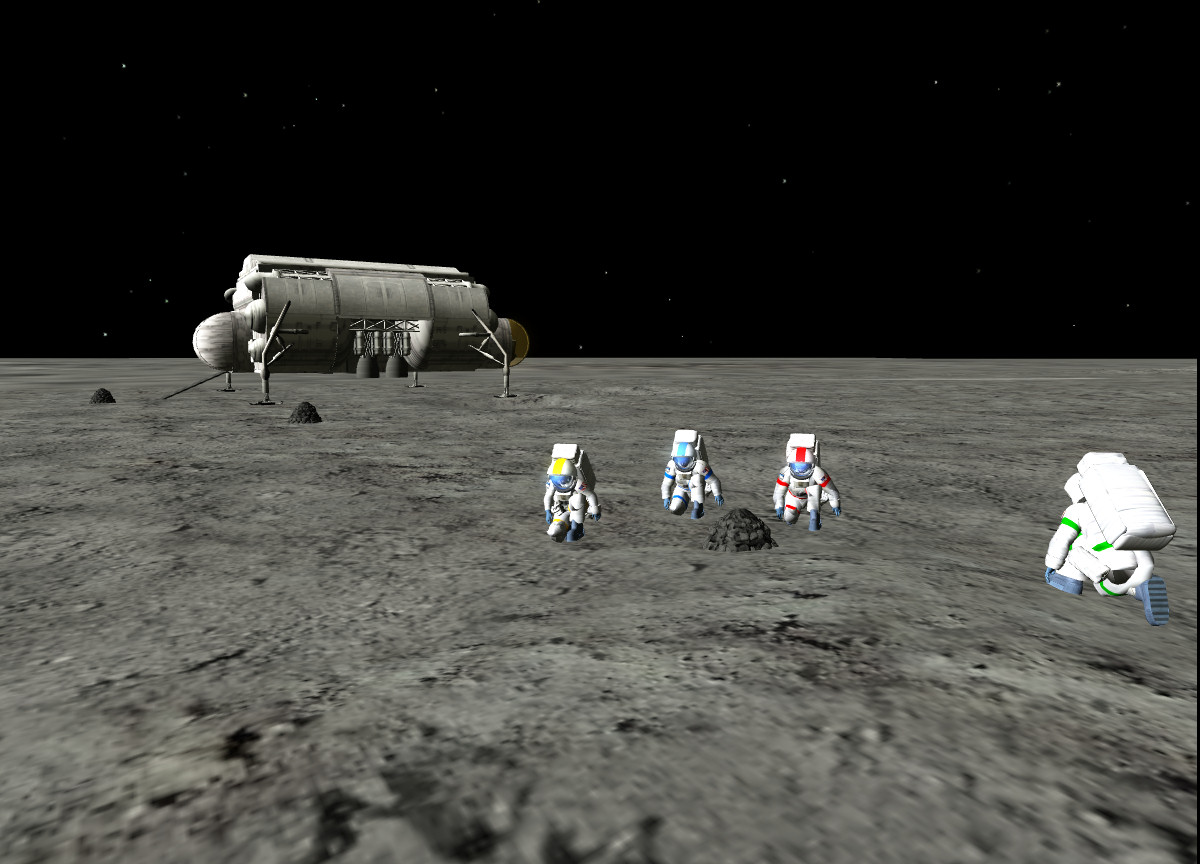
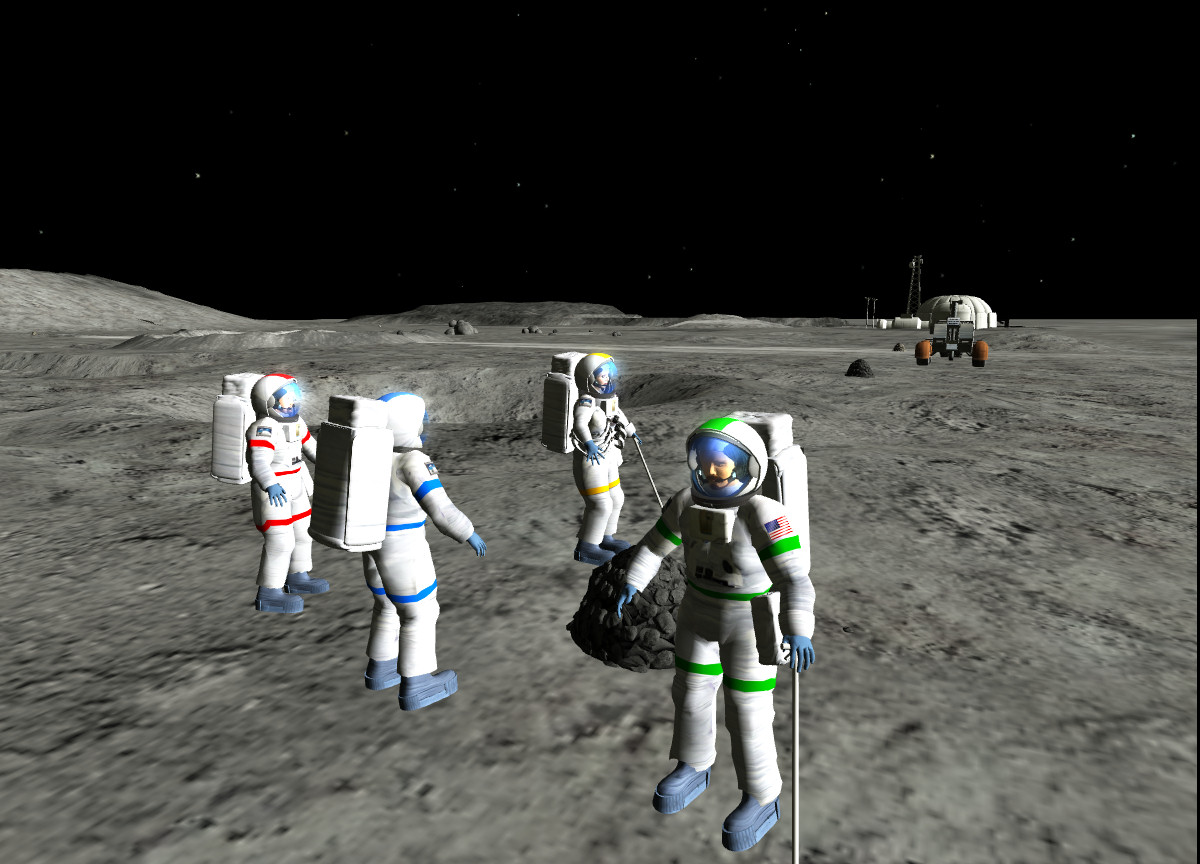
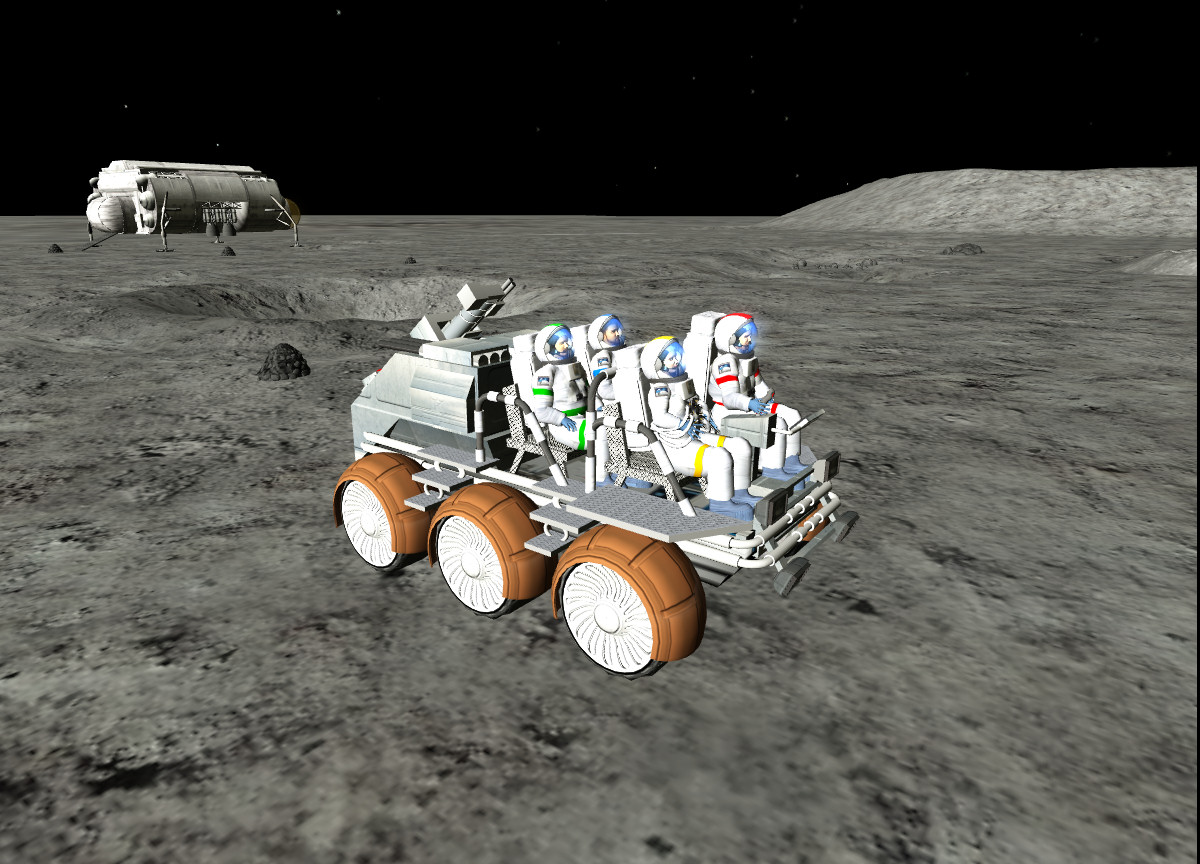
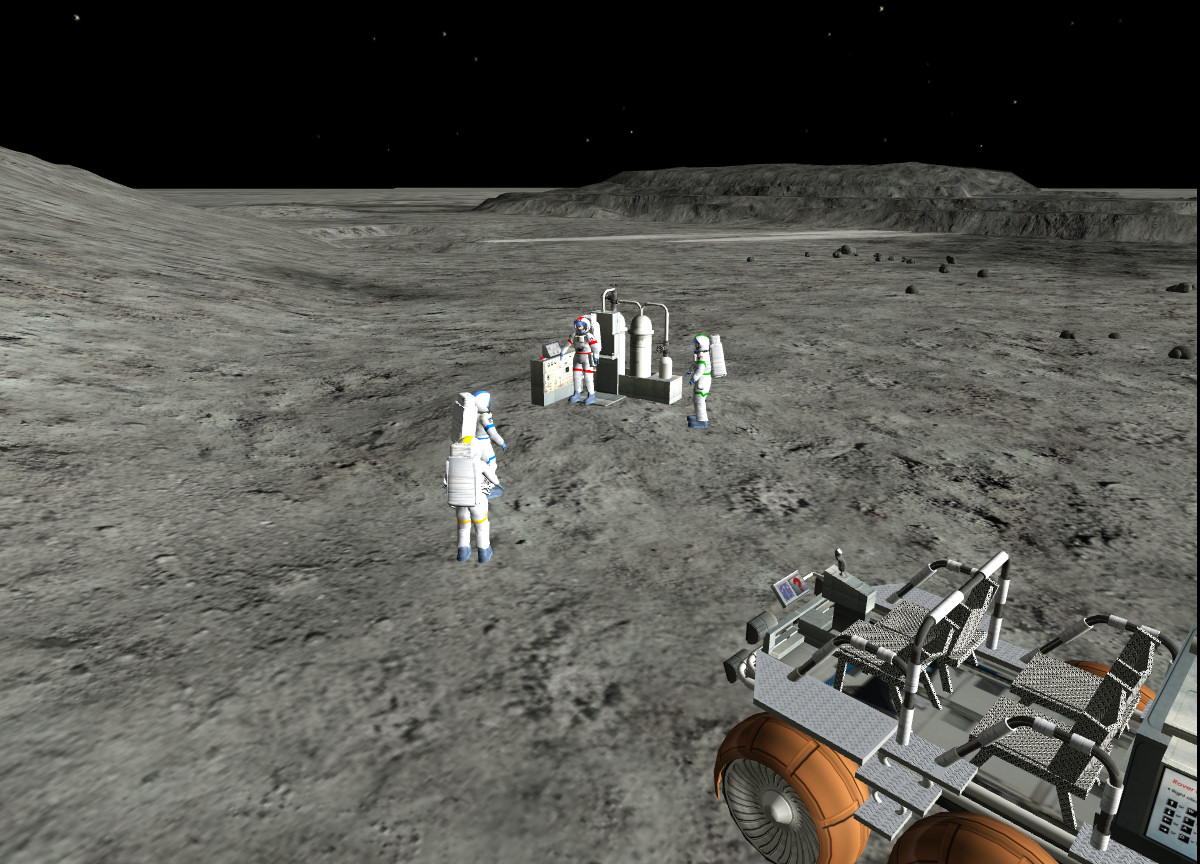
Mission to Timocharis region on the Moon.

  • Ai Austin - Team Captain
  • KaronMcB - Explorer
  • indrimagri - Explorer
  • Kimberley Pascal - Explorer

MoonWorld Virtual Field Work: http://moonworld.cet.edu/ and http://www.avatrian.com/moonworld/

Mission Data


Surveys for Team Members

Posted by Austin Tate | 0 comment(s)

January 23, 2012

On the definition and form of games


Defining games

As part of the introduction to digital game-based learning course I was keen to start by establishing some ground rules for the discussion. The cornerstone to these would be the definition of a 'game' (which would then give way to the definition of a digital game). The importance of definitions in any scientific endeavour cannot be underestimated. The quote I have used in the past makes the point eloquently:


“Controversial and unsystematic terms are the cause of serious problems in examinations of learning situations. Without a consistent vocabulary, it is difficult to relate investigated learning situations to each other and the results are confined to single cases. ” (Zürcher, 2010)


If this is the case, unless we define what a 'game' is we will be unable to have a coherent discussion. A good examples this is the fact that one of the threads discussed the 'game of life'.


Between gaming and playing

One of the first things that I ran into when thinking about the definition of games was the difference between the terms 'playing' and 'gaming'. For example, 'gamers' are individuals who spend considerable time playing video games and, in some cases, invest considerable amounts of money in the hardware used for this activity. On the other hand, children at schools have 'play time' (and we also have 'supervised play').

Looking at the dictionary definitions are helped a bit:


play/plā/

Verb: Engage in activity for enjoyment and recreation rather than a serious or practical purpose.

Noun: Activity engaged in for enjoyment and recreation, esp. by children.

game/gām/

Noun: A form of play or sport, esp. a competitive one played according to rules and decided by skill, strength, or luck.


I find it interesting that the emphasis in 'play' is on enjoyment and recreation where as the emphasis in 'game' is on rules, skill, strength or luck. This to me defined a match more rigid and planned game and a much more flexible and open play. The competitive element mentioned in the definition of game indicates that they would typically be an objective, the attainment of which is defined by the rules. This raised a few questions for me – is there no objective in 'play', Can it not have a serious purpose? Can a 'game' not be enjoyed?


On the importance of games and play

Maria Montessori mentioned the importance of experiential play for preschool children – experiencing different materials, different objects and playing with every day objects such as opening and closing buttons and zippers. Greenfield mentions the importance placed by developmental psychologist Piaget on the development of motor skills.


The form of games

Surprisingly something that these definitions tied very nicely into was the manner in which Zürcher tackles the definition of formal and informal learning; This, from the very same article I used to explain why a definition is needed in the first place.

It then struck me that a clear distinct line can be drawn between the different forms of learning Zürcher deals with and the two definitions that I have been struggling with:

Play – informal learning

Game – formal learning


Children playing with zippers and buttons in a Montessori preschool do not have an objective they need to achieve and are not abiding by any rules – they are learning from experience. In a similar manners city design students using Sim City can understand how different variables interact in a city environment. Rules can be used to transform play into game (so a game can be built with Lego bricks etc). Zürcher defines the relationship between formal and informal as a scope rather than two opposites and so is the case between play and game.

My general feeling is that play can be used where there is less need for testing and monitoring and games when there is greater need to monitor skill and improvement (its easier to watch a learner vocabulary grow as their scrabble score improves but harder to understand how much better their imagination has improved form playing with lego).

The final question for me is – can we use the notion of formality to decide between gaming and playing? And can we go further and use it to design the actual activity...? That's a whole other post.


References

  • Zürcher, Reinhard (2010). 'Teaching-learning processes between informality and formalization', the encyclopaedia of informal education. [www.infed.org/informal_education/informality_and_formalization.htm. Accessed: 20/1/2012

  • Greenfield, Patricia M. (1984). 'Mind and media : the effects of television, video games, and computers'. Chapter 7 pp. 86-114, Fontana Paperback, London

  • Google definitions, accessed 23/1/2012

Posted by Asi DeGani | 0 comment(s)

January 22, 2012

In the previous post I discussed how I got myself back in to Pac-man, and the little set of tactics I came up with that I thought made me good at it. Here I want to look at why I appear to be rubbish at Pac-man on iPad, or at least worse.

The iPad version of the game (well, iOS) introduces some new control options. Playing on the computer I simply use the arrow keys to move the little chap around, I'd even got as far as discovering that I could hold down an arrow key in advance of the turn I needed to make so he turned as soon as possible.

Moving to iPad gives some different options. There's a joystick control at the bottom of the screen, or I can take advantage of some of the other tablet input methods and control Pac-man by swiping the screen or tilting the entire device.

2006 saw the launch of the Wii, and with that came the popularity in far more physically involved methods of controlling games. As a culture we got pretty excited about this, suddenly computer games could be an activity as part of a healthy lifestyle. We even have a couple of Nintendo Wii's in our PE department now.

However, it's ruining my score.

It's about inefficiency. With my arrow keys underneath my finger tips, the time required from brain to Pac-man is significantly smaller than if I have to tilt an iPad a certain degree to make the same activity happen. It's also a far more practiced activity- my body is already set up well to make these subtle movements very quickly. This can't be said for swiping or tilting.

Obviously if I'd started playing the game using the other control methods it wouldn't have been a problem, I wouldn't have noticed. But it is interesting how the input method changes the nature of the challenge and the experience of the game as a whole.

Returning just briefly to the Wii again I want to pick up on a wider issue around this idea of inefficiency. After a fairly small amount of time playing Wii Tennis or similar you realise that you don't have to mimic the exact on court actions of Andy Murray to become a skilled player. Far more subtle motions with the controller will achieve the desired result. We refine our motions to speed up reaction time, maximum reward for minimum effort. There is some question as to whether this could be marked up as cheating- would using a more simple on/off type device connected to the Wii make me so much better at tennis that it's an unfair advantage? But that's a whole new post.

Posted by Tim Dalton | 0 comment(s)

I've been reintroducing myself to Pac-man this week. Seems poetic in many ways that my starting point to look more seriously at games and what they have to contribute to learning is with one of the first games I played as a child. There's a nice free web version of the game here- it might be good to go and have a quick attempt at it before reading on. Having devoted a few hours of my week to it, I'm at a point where I think I understand the game & what is required to be 'good' at it. Exactly how I would define being good at Pac-man is somewhat up for debate, but I'm going for simply labelling it as achieving high scores. And, my benchmark for good has been made by taking an average of the score each of my colleagues got playing a single game (5200). I'm aware this isn't exactly scientific, and probably suggests something about my personality by identifying that 'good' for me basically means 'better than those around me'... It's not the best way to present the data, but the graph attempts to show my score progression over the week. The easier way to look at this is that the average of each of my main playing sessions moved from 4500 - 8500 - 9500. More interesting is how my attitude and approach to the game changed over the week. I'll return in a later post to how and why I think we get hooked on certain games, but for me once I was involved Pac-man became an exercise in reflection, in developing a strategy and adapting it. For what is on the face of it a simple arcade game the methods involved are more complex than they seem. My approach moved from 'eat as many dots before dying as possible' to the following set of rules:
  1. Clear one corner at a time, using the energy pill at the latest possible moment & then moving to the next.
  2. Watch the movement of the ghosts as much as Pac-man himself, stop sometimes to watch/wait.
  3. Don't waste time eating blue ghosts.
  4. Ignore the fruit bonuses.
From a wider perspective on the game, and my experience of it as a whole whether these rules are correct or not is largely irrelevant. My score improved which demonstrates I improved. More interestingly, particularly as I expect we can see the same pattern in more complex game setups, is that effectively what I did was create my own set of rules to go alongside the ones established by the game designer. Rules is possibly not the correct word- but, as highlighted by a fellow student what this simple little game is doing is not just reflection/adaptation, but demonstrates the very natural human need to make and form patterns with our knowledge.

Posted by Tim Dalton | 0 comment(s)

January 19, 2012

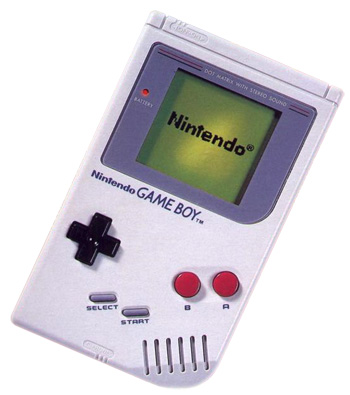
It seemed appropriate at the start of a module devoted to games based learning to start by reflecting on my experience of gaming, particularly in the digital realm. My earliest memories of computer games are of the Atari, hooked up to our big ol' 80's TV playing Pong (was this just tennis?) for long periods of time against my brother. For a pair of children who had access to a garden, tennis racquets and a patio wall that served the purpose of a net it is an interesting indicator of the novelty of the games console that we spent so much time sat 2 feet from the screen playing this version. Beyond that early memory we graduated to the games console. We had a Gameboy between us, and used to be assigned strict turns to play Tetris. We had Mario, and other platform games but I distinctly remember spending far more time on the puzzle games. It'd be somewhat crude to assign personality types to game styles, but I do wonder if there is something in that. From there we moved through a couple of Playstation models. Game style was far more varied there, and generally followed the popular trends of the day. Certainly an indication that the social aspects (peer pressure) of gaming with others started to kick in. At that stage we were certainly not playing others online, but certainly discussion about games at school influenced our choice of purchases. Mortal Kombat, Tomb Raider, Gran Turismo are the titles that stick out in my head now but there were many more. In terms of timeline it might be a little wooly but around about the same time we got our first computer, and the wonders of dialup Internet access. I can still remember the sound identifying when the modem had successfully connected. I had two real loves on that Acorn, Sensible Soccer (the never fail to score at the edge of the D thing was great), and Sim City. If Gladwell claimed mastery is at 10,000 hours I think we probably got pretty damn close in the few years we played. Certainly if you consider that our Sims ran in faster than real-time we definitely were. Interestingly, I can't remember the Internet enhancing my gaming experience at all. As an aside- there was something about Sim City that strikes me as unique now. We devoted hours to building cities, planning layouts, transport networks and the like in order to see them destroyed. Our goal was to build something and then initiate the disasters. Seeing the city ruined and bankrupt never felt like a bad thing, just an opportunity to modify strategy and try again. At a step back (and 20 years post..) repeatedly adapting strategies to minimise failure is not an immediately sell-able concept for a game but certainly one that appealed to me. Realising the correct save/revert to saved technique while experimenting was something that I think I could accurately claim is a skill I need almost daily in my current role, and one that I certainly learnt from games. As a group of software developers I'm not sure my intro to version control should have been here, but it probably was. Leaping forward the web properly kicks in, and my next major milestone is gaming while at University. It was early days for web games, but simple puzzles and (weirdly, considering the technology available…) online versions of the old-school Tetris style games were popular. My shared house had a Gamecube which was largely used for social gaming in a similar way to the board games we also had (a damn expensive board game..), we played Quake online in small communities (largely of people we knew in RL), and Championship Manager was something that I would say actually disrupted my studies (and was probably the cause of one of my housemates failing and dropping out in year 1). I can also claim to have become an expert virtual skateboarder courtesy of Tony Hawk during this period while never actually physically attempting the activity... Jumping over a whole set of events we're largely now at the current. Gaming for me now is almost entirely on portable devices. As a group of staff in previous years we spent a lot of time playing Travian, again about the community experience and team building, but it started to disappear as the time commitment grew. Or, it disappeared as the group started to get to know each other and we found other common interests beyond the game activity itself. I can't actually prove that, but I imagine my colleagues would confirm. The conclusion of this is about the future. Games for me are now about potential. What is it that makes me spend 4 hours last week playing golf on my iPad, but 0 hours actually on a golf course? More importantly, what is it that motivates our students to devote hours to achieving something that has no major impact on the things that we measure on them on, whether that is grades, careers, salaries, or whatever measure you choose? Are we measuring the wrong things? That is why this is important. Game mechanics motivate us to do more for the pure enjoyment of doing it, and if you think back through your own personal gaming history you'll find that you're learning skills along the way without realising it. Over the posts that follow I intend to explore my own learning experiences through games, and start to develop some ideas about how we can encourage this in our schools. And more importantly, in our students.

Keywords: GBL

Posted by Tim Dalton | 1 comment(s)

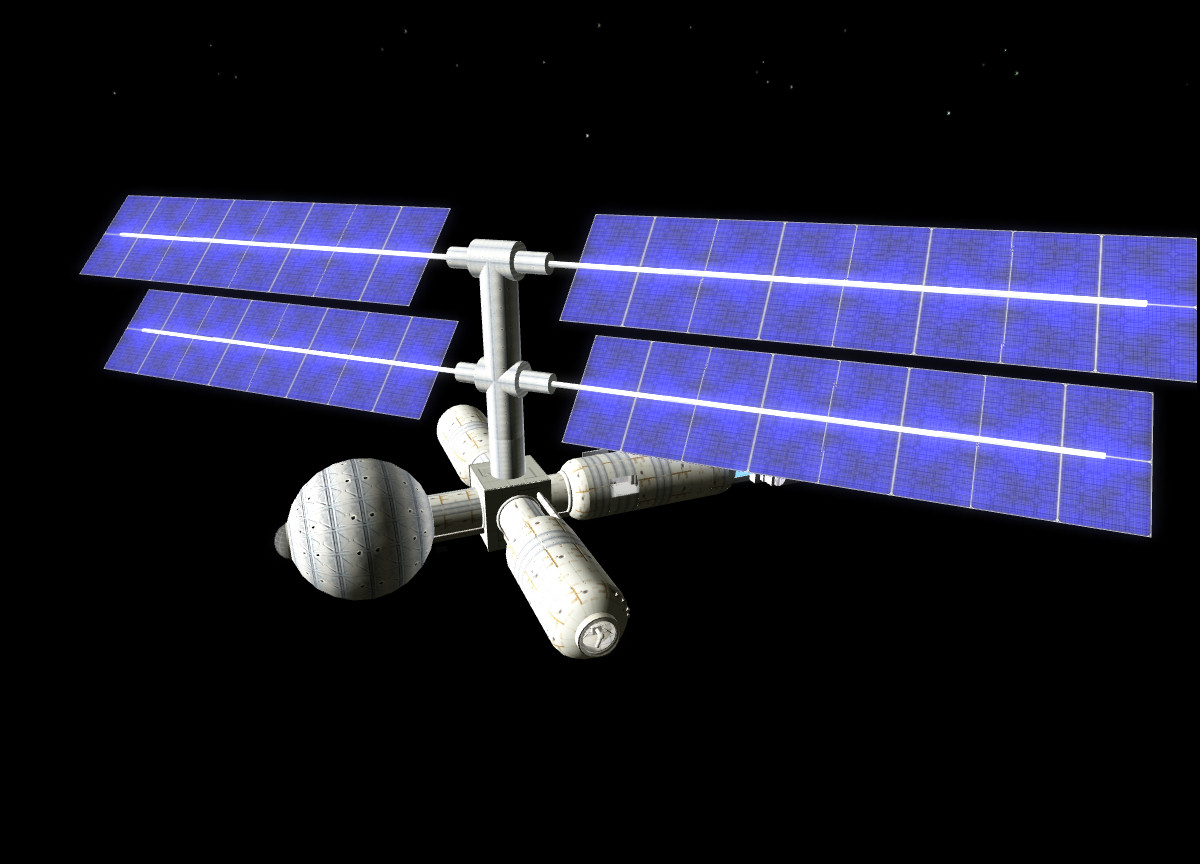
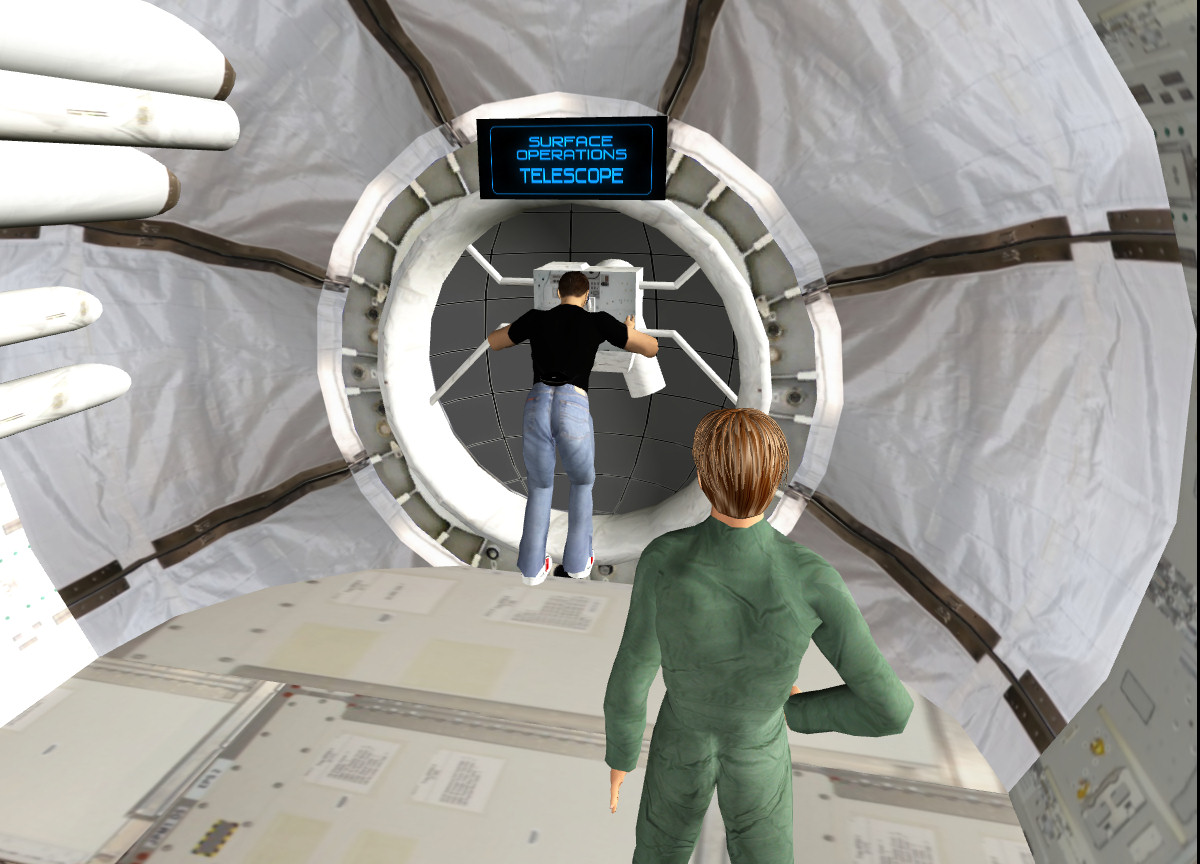
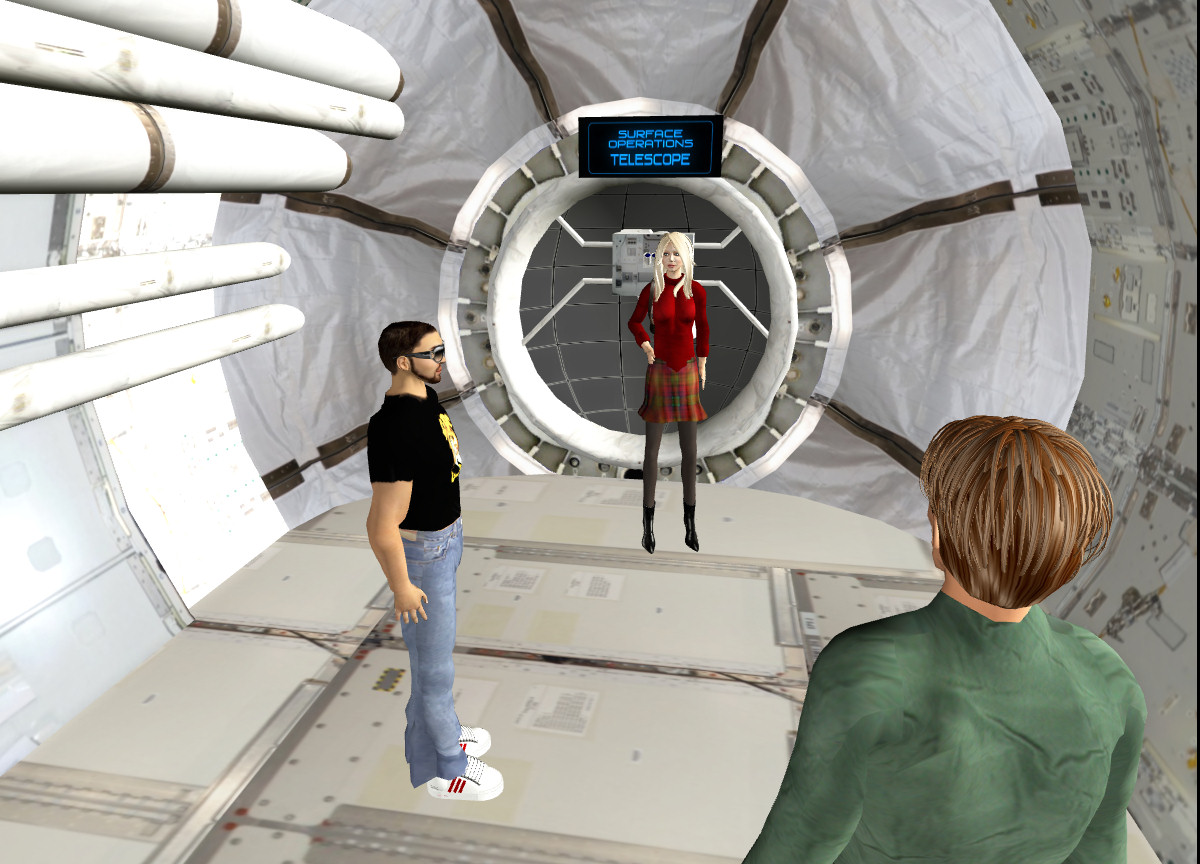
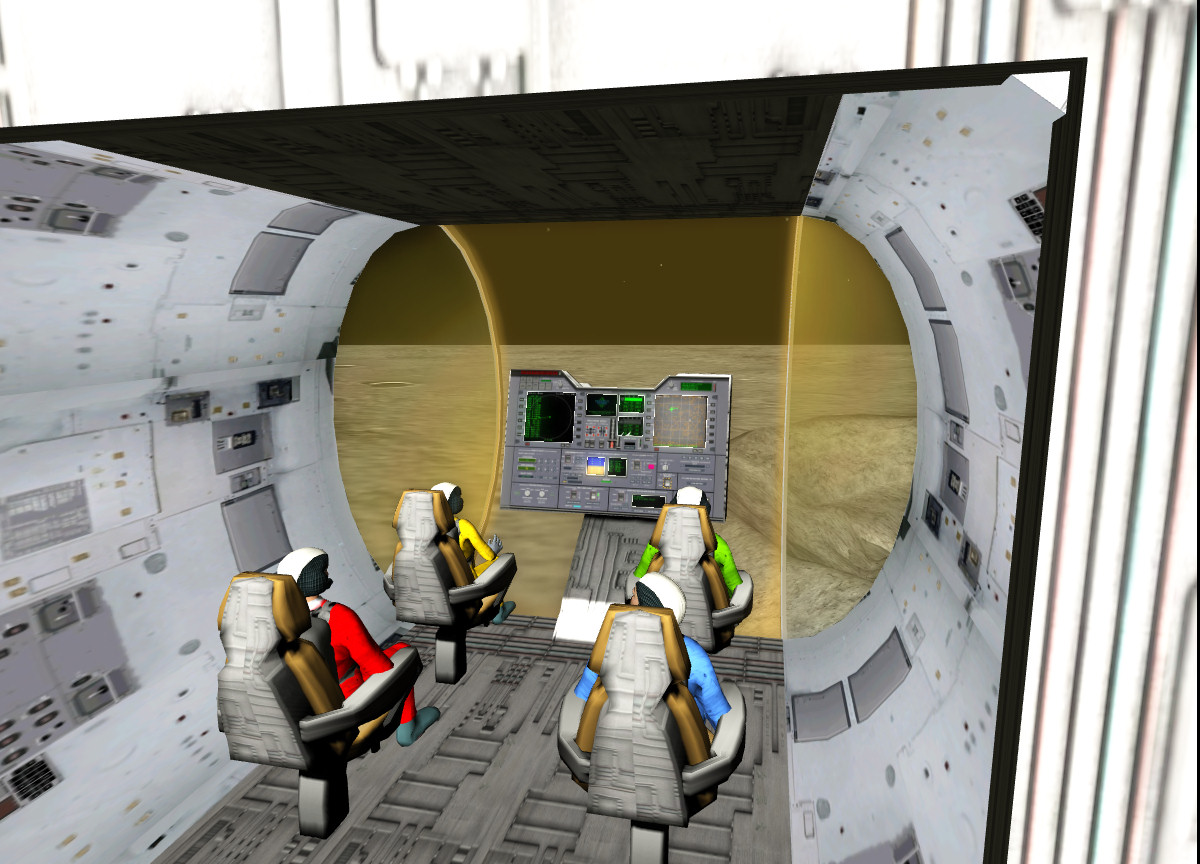
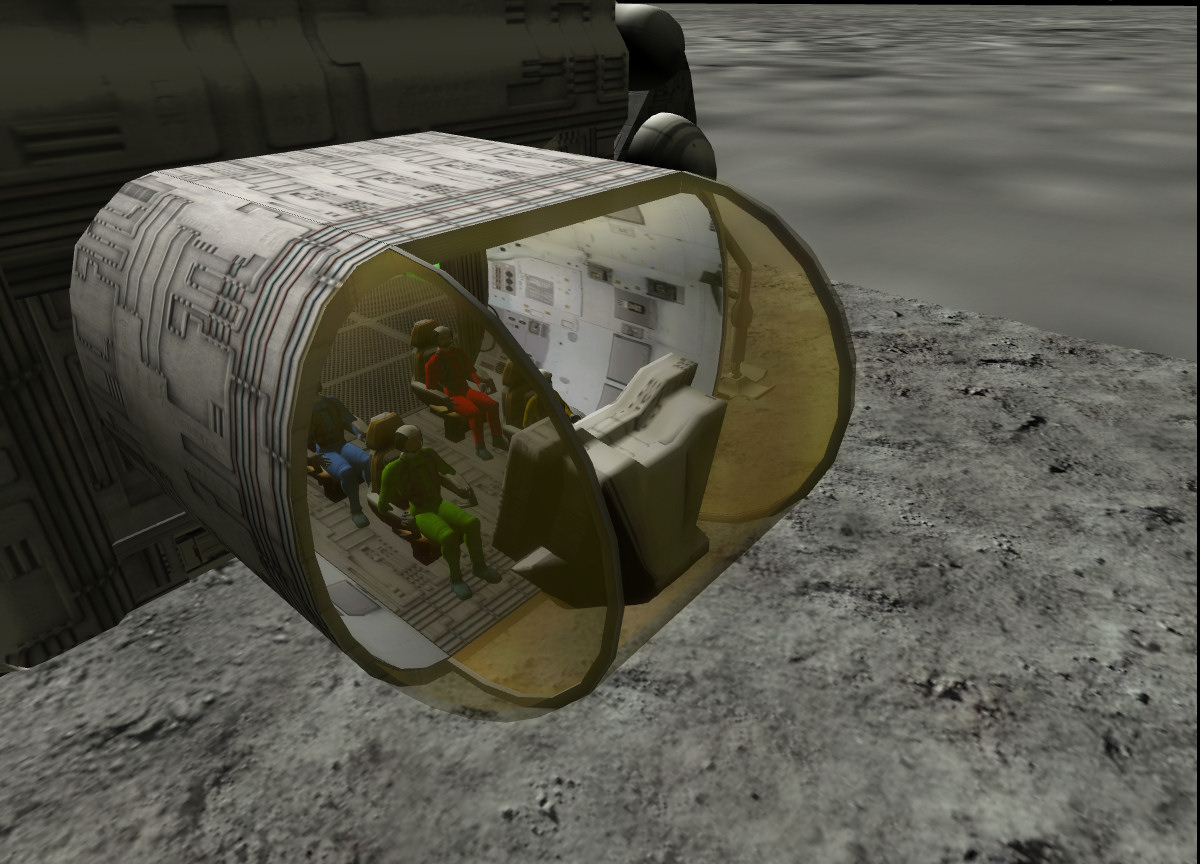
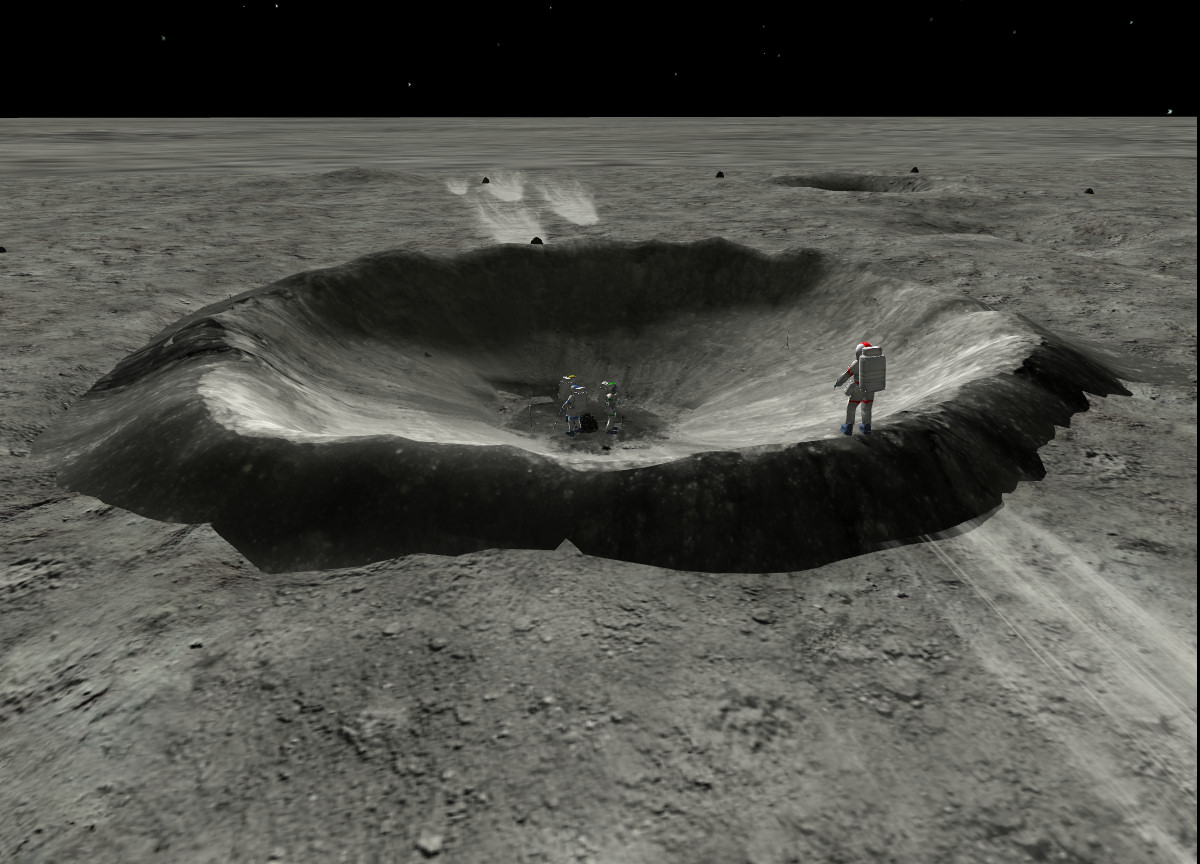
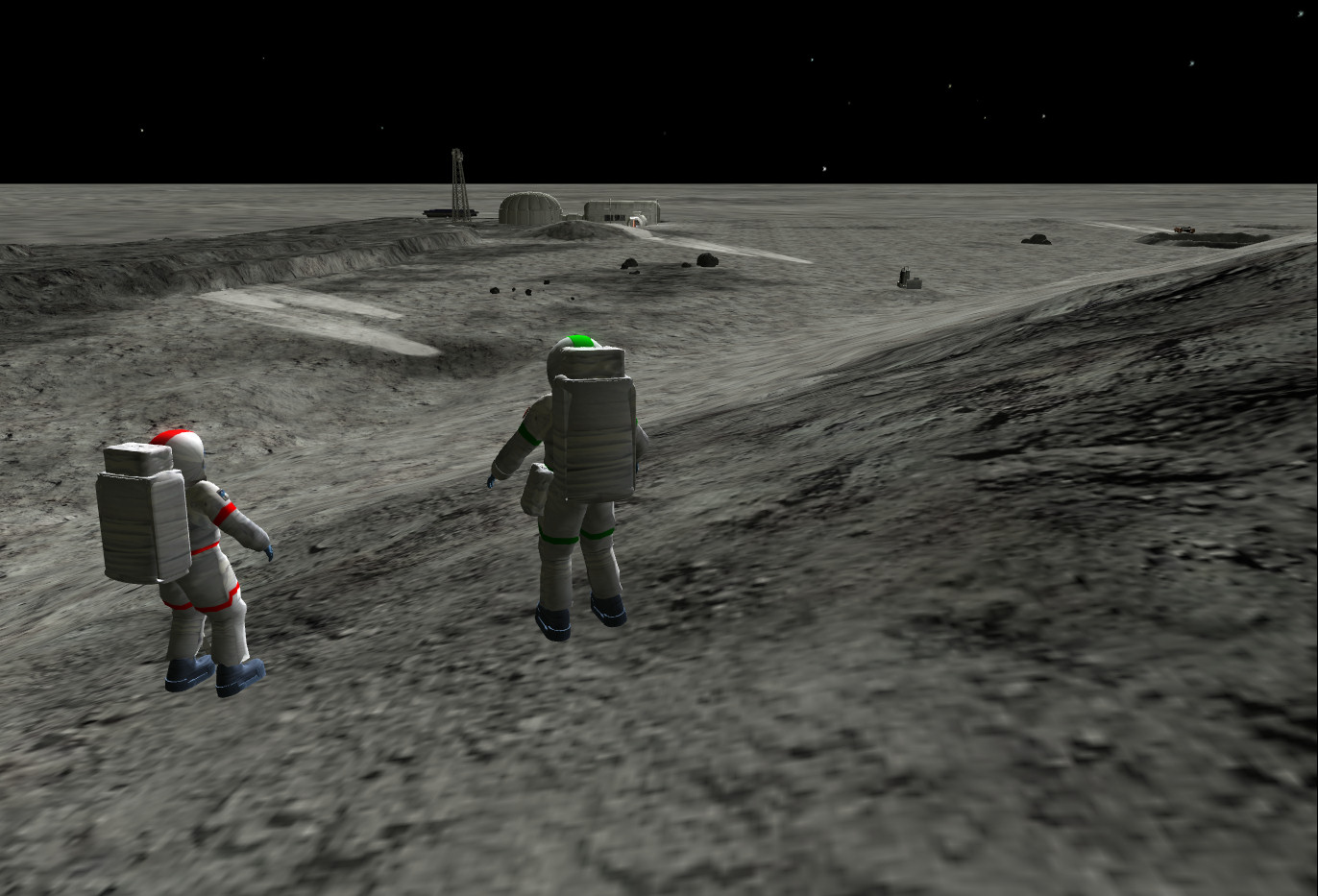
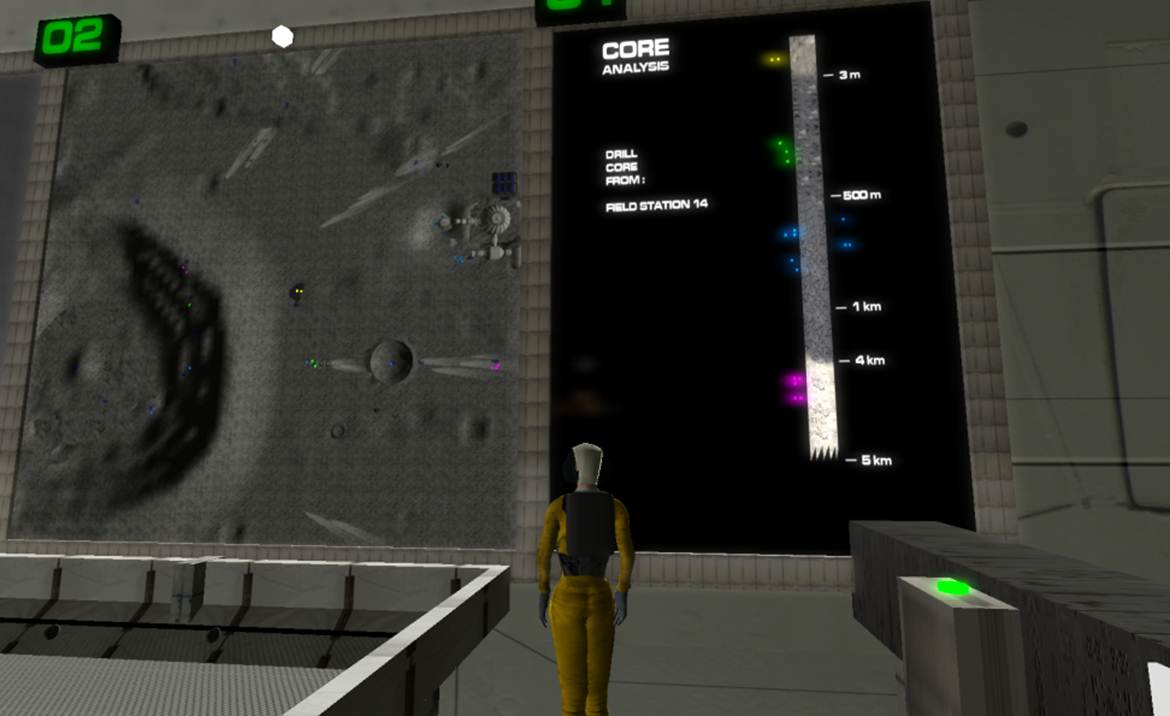
MoonWorld in Second Life - http://moonworld.cet.edu/ - is a space themed virtual field trip style game encouraging the study of rocks and geology. It provides a lunar simulation in a 3D virtual environment and was funded by NASA. The instructional goals include using evidence gathering and analysis to understand how impact craters form and how their spatial relations with other landforms permit development of a stratigraphy and history. This educational and training project is conceptualized by the Center for Educational Technologies and developed by Avatrian. 

Video footage from MoonWorld

MoonWorld Missions

The MoonWorld region in Second Life can be accessed by setting up a mission on the Calendar at the Web Portal at http://www.avatrian.com/moonworld/

A team name, team leader avatar name and a team code are chosen. This then provides a URL to which extra team members can be added.  Up to 4 members make up a surface team. Also provided is the URL to go to the mission prep area when its time for your mission.

The web portal also provides access to a teleport URL to go to the MoonWorld prep area when its time for your mission, search to find a team leader or member (by avatar name) or team name.

Getting Ready for Your Mission

Your team leader will be able to assist you, but if you want to read up a liottle on your mission and the equipme nt you will use, see this MoonWorld Guide to Starting a Mission (PDF Format).

MoonWorld in Second Life and OpenSim uses special themes to simulate the lunar environment. The themes create a black sky with stars, sun, earth, and other celestial bodies, as well as, removing the waves that lap around our island. For details for PC and Mac users see:

Welcome on board! There are few quick things which Moon explorers can do to set up...

  1. Get the latest SL viewer (3.2.5 as at January 2012) and give it a run as the interface may be quite different if you have not used it for a while. http://secondlife.com/support/downloads/
  2. If you have not used viewer 2 or 3, go into the outfits window the icon looks like a short) and "save" your outfit.  That will help you get back to how you look now.
  3. Install the MoonWorld theme - when SL viewer is NOT running. Its just two .xml files. Instructions for PC and Mac users above.
  4. Then go into the SL viewer and activate those in the environment editor ahead of the mission time.
  5. Make sure you have media set to automatically play (that's the default).
  6. You might want to check the "Draw Distance" sety in Preferences for the Graphics under the Advanced Tab. Set it to at least 128m and up to 256m to let you see right across the region.
  7. Remember how to snap images in the SL viewer - ctrl ' does the job as a keyboard short cut.
  8. To get nice pictures it is useful if you know how to move your camera separate to moving your avatar. Some guidance on this is at http://openvce.net/slchecks

The team leader will register your avatar for the mission, or provide a link and team code to allow you to do that yourself. An e-mail will be sent to you with an access SLURL when the lander becomes available at the very start of the time slot. Then we will take it from there.  A mission can last 2 hours. I am not sure we will want to continue right through the mission sample points and lab analysis.  But we will go as far as we wish and then return to the lander.

During the mission, it is wise to stay close together as a team and not go ahead to later exploration stations.  That way everyone can stay in sync.

Sample Mission

  • Location: Timocharis region on the Moon, which was the landing site for Apollo 17. This was the mission which had the highest level of geological exploration.
  • MoonWorld mission on Tuesday 24-Jan-2012 08:00 PST/SLT (16:00 GMT) is confirmed...
  • Team: Pythagoras
  • Team Captain: Ai Austin (red)
  • Team Explorers: Indri (indrimagri) (blue), Kimberley Pascal (green), KaronMcB (yellow)
  • Team Code: provided when participation confirmed

Our aim will be to understand something of the way the crater we will land near was formed.  We will have access to head up displays, videos from mission control, and rock guides as we go along.

During the mission, it is wise to stay close together as a team and not go ahead to later exploration stations.  That way everyone can stay in sync.

Useful Links

Post Mission Discussion and NASA Questionnaire

The team leader hopes the experience will generate some observations related to the educational approach and potential of this and similar "games" for serious educational uses. To assist i this it might be useful to look at:

At the end of the mission please complete the MoonWorld project questionnaire for NASA (Teacher of Adult versions) at https://oedc.nasa.gov/dc/anonymous.jsp?a=1065378030737543106513231896

Keywords: IDGBL, MoonWorld, Space

Posted by Austin Tate | 0 comment(s)

January 09, 2012

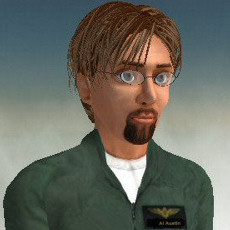
Let me introduce myself.. Austin Tate ... and my virtual worlds avatar... Ai Austin

Austin Tate  Ai Austin

In Semester 1 of 2011/12 I took the following MSc modules: "Introduction to Digital Environments for Learning", "e-Learning and Digital Cultures" and "Understanding Learning in On-line Environments".

In Semester 2 of 2011/12 I will take the following MSc module: "Introduction to Game-based Learning" and a "Custom" module in lieu of "Research Methods" which will prepare the way for my MSc dissertation related to AI Classroom Assistants and Mixed-Initiative Learning Approaches.

Keywords: EDIDGBL, Introduction

Posted by Austin Tate | 0 comment(s)

December 08, 2011

Its chilly in Sony Home ...

Keywords: IDEL11, Sony Home

Posted by Austin Tate | 0 comment(s)

December 07, 2011

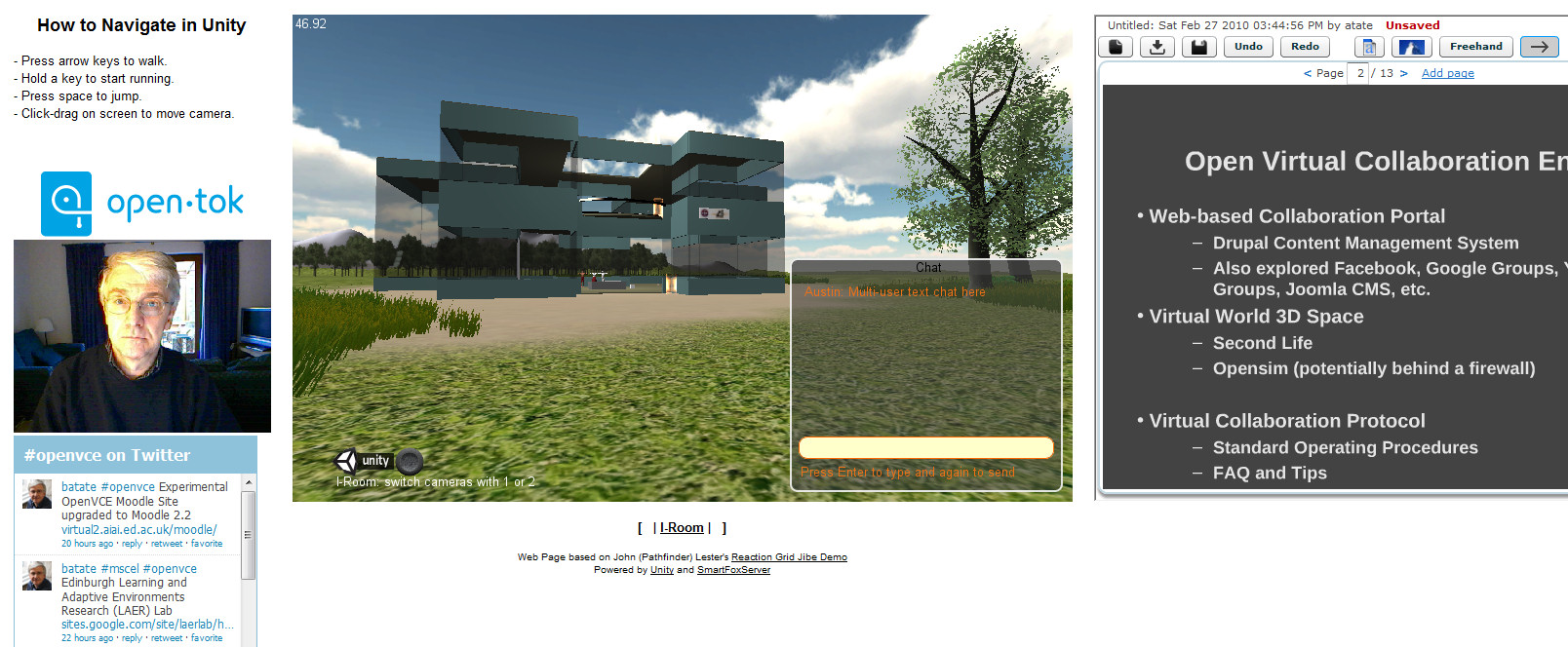
A number of people are investigating Unity3D as a 3D graphics engine for virtual worlds. It can be delivered through a web browser on a range of platforms including mobile devices. It might offer a light weight alternative to Second Life and OpenSim.

I have created a simple I-Room from scratch, built that into a complex Unity3D terrain and incorporated very simple avatars as an exercise in learning about Unity3D.  I have also experimented with two different multi-user server addons - SmartFox Pro and Photon. I have embedded the Unity3D virtual world view into a web page alongside collaboration widgets to provide Twitter following of a given #tag, VoIP via Tokbox, and a Dabbleboard for showing presentations and giving a shared whiteboard. The demo systems are all available via http://www.aiai.ed.ac.uk/~ai/unity/

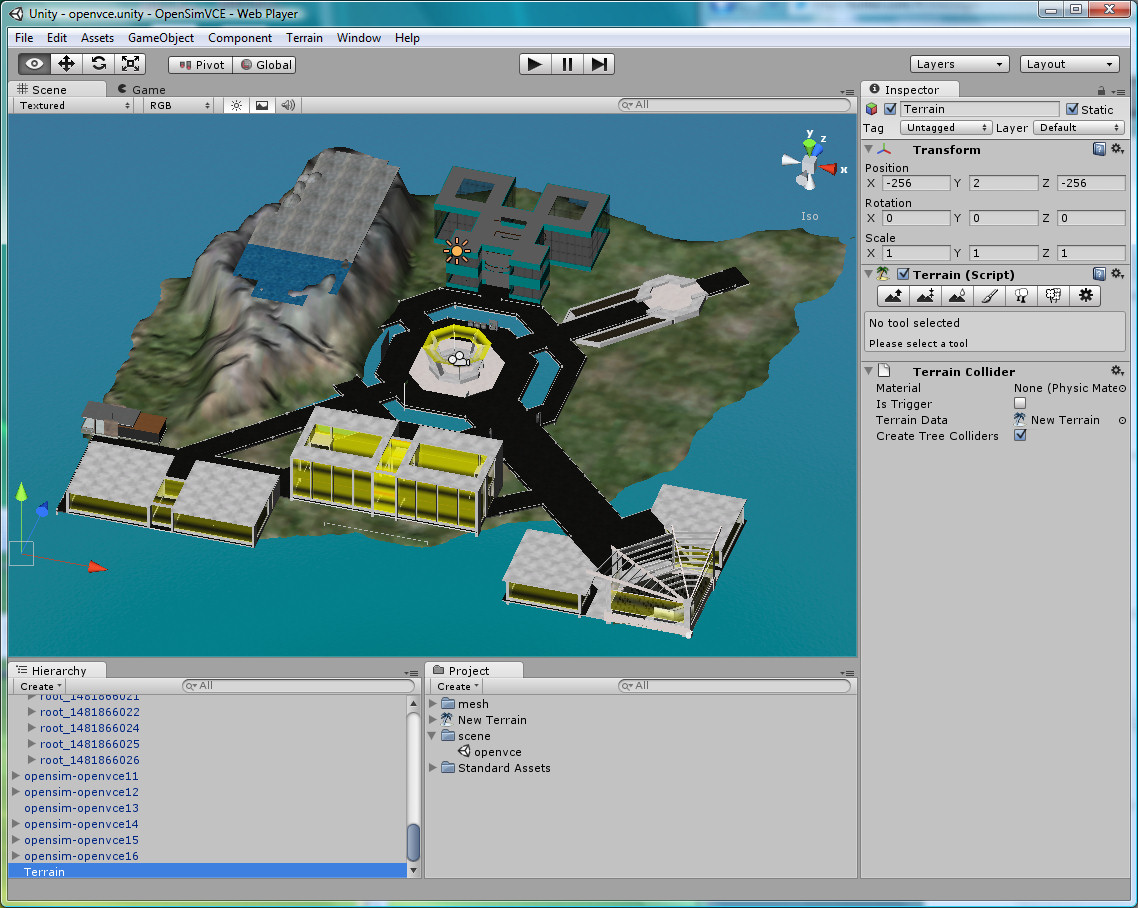
Even better, there are a number of groups interested in content exchange from OpenSim to Unity3D. An example is the recent conversion of the OpenVCE collaboration region which was originally on the Second Life VCE region, ported to OpenSim and then converted through Tipodean's Collada Converter for use in Unity3D. It is now available for use under the flexible Lesser GPL licence.

Keywords: Collada, IDEL11, Tokbox, Unity3D

Posted by Austin Tate | 0 comment(s)

<< Back Next >>