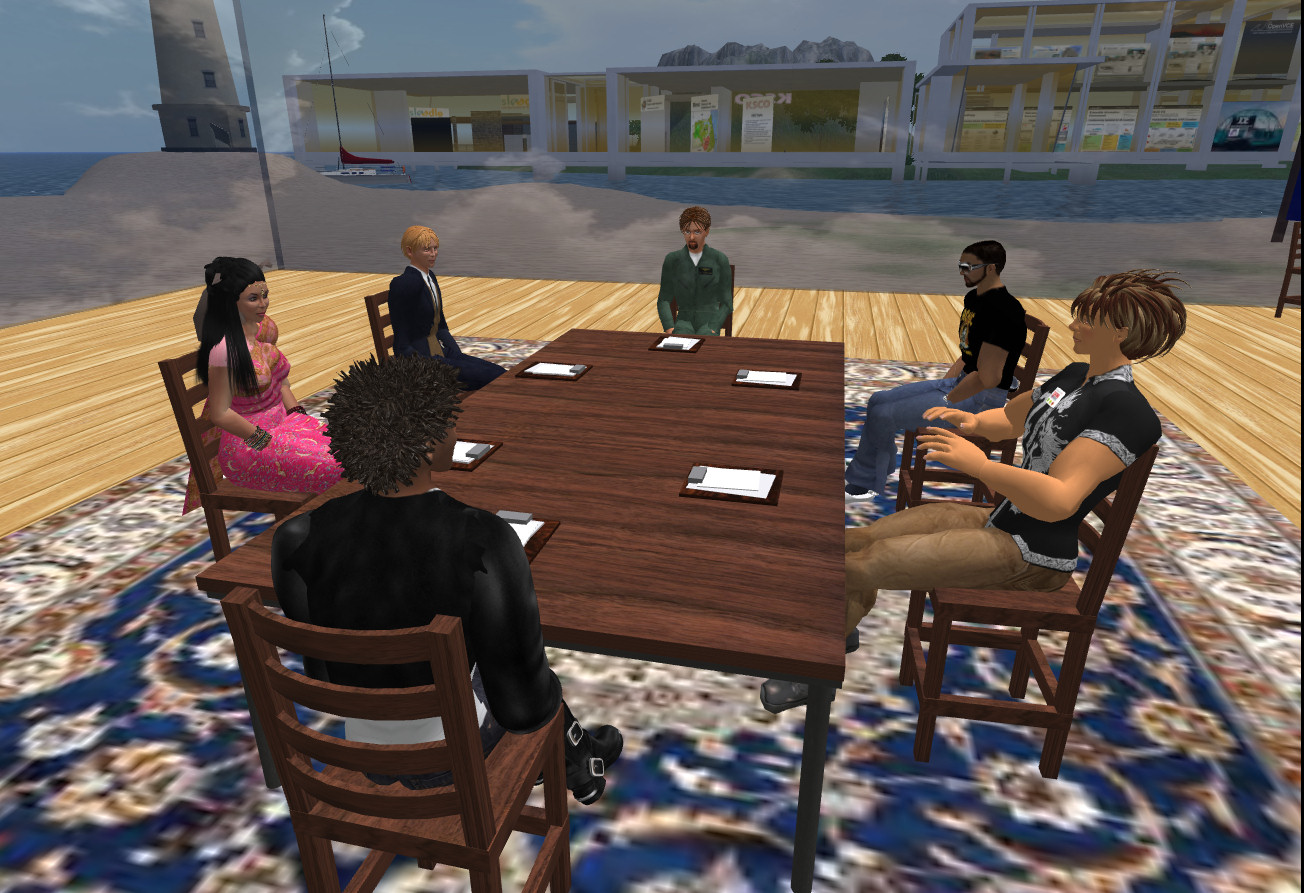
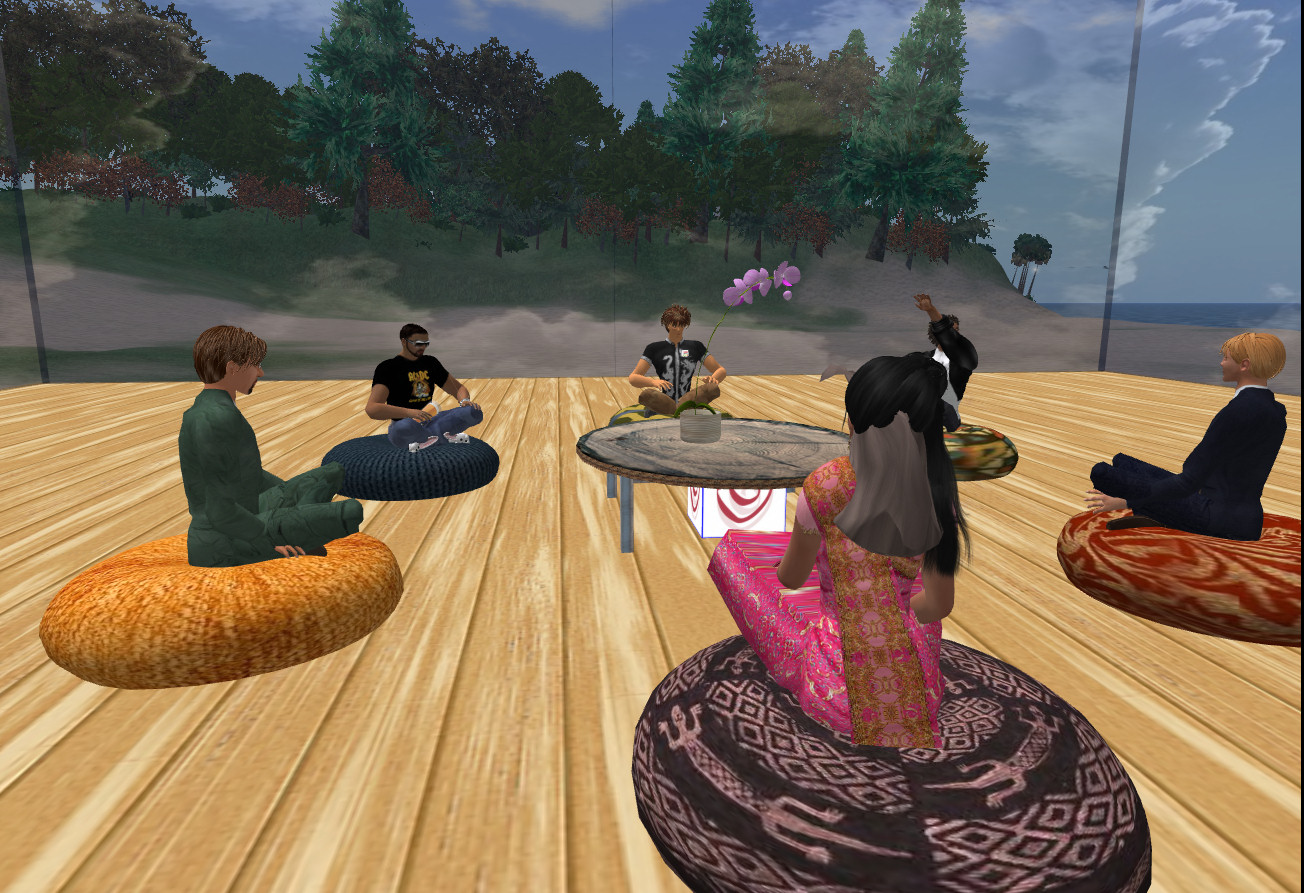
WBT enables learners to explore by themselves. The general approach of how people learn is through the process ‘Tell them, show them, and let them try’. Compared with traditional learning, it is easier to access for the learners to ‘try’ by themselves. Taking simulation training as an example, the learners are able to play multiple roles in simulation. They can experience consequences of alternative behaviors and even the negative behaviors can be included. (Horton, 2000)
In terms of test and exercise, WBT enables ‘immediate feedback’ to fit learners’ expectation. (Horton, 2000) In traditional approach, it takes ages for the learners to wait for their feedback. Even if the feedback is revealed after the test is completed, they will usually receive them as a whole instead of in piecemeal. WBT allows feedback to be demonstrated piece by piece, and keeps learners from missing several related questions because of a single misunderstanding. (Horton, 2000)
Moreover, the hints can be provided in order to assist the learners to investigate the learning in depth. Hints can take many forms, such as: background information or instructions on how to perform the next step. (Horton, 2000) The role of giving the hints is quite similar to the role of facilitator in traditional training. However, to guide the learners in more specific way individually is definitely one of the strengths of WBT.
Finally, WBT enables learners to experience something nearly impossible to occur in real life. In a role-play scenario, Lee and Hoadley (2007) indicate that by acting as a different gender, learners observe more details in sexual incidences and even discriminations. Likewise, if the costs of failure are high, it is relatively suitable to use simulation for learning (Horton, 2000). For example, nuclear plant operators, airplane navigator.
Reference
Horton, W. (2000) Designing Web-Based Training : How To Teach Anyone Anything Anywhere Anytime, New York ; Chichester : Wiley
Lee, J.J., and Hoadley, C.M. (2007) Leveraging Identity to Make Learning Fun: Possible Selves and Experiential Learning in Massively Multiplayer Online Games(MMOGS), Innovate, Vol. 3, No. 6, http://innovateonline.info/?view=article&id=348
Keywords: simulation, Web-Based Training