Log on:
Powered by Elgg

Tim Dalton :: Blog

January 24, 2012

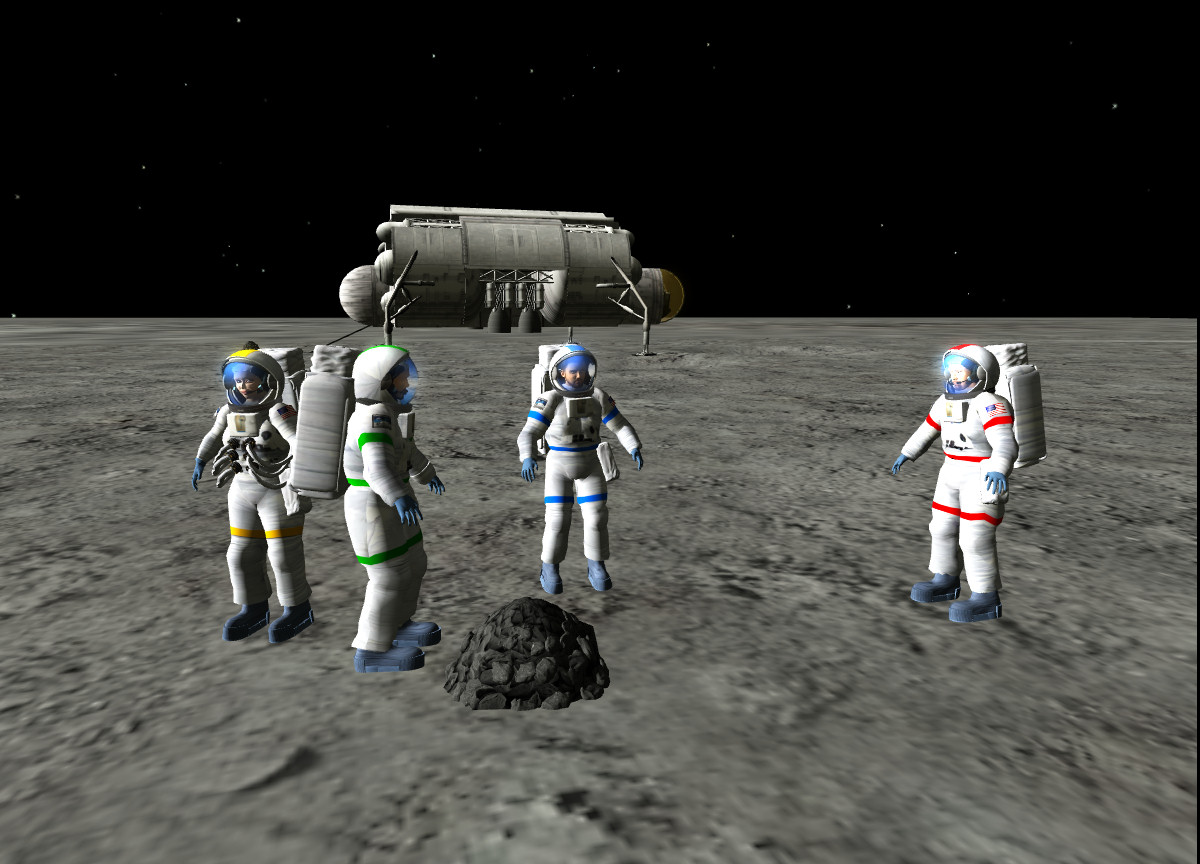
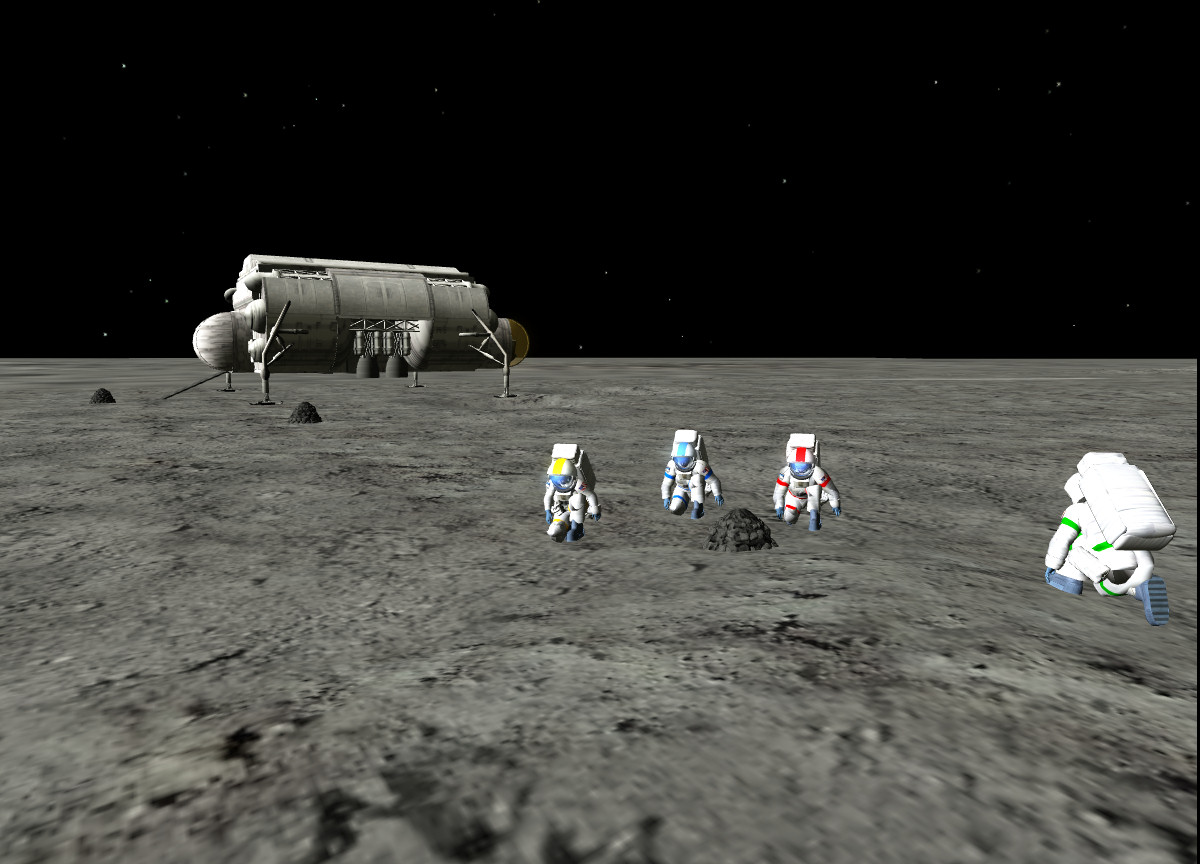
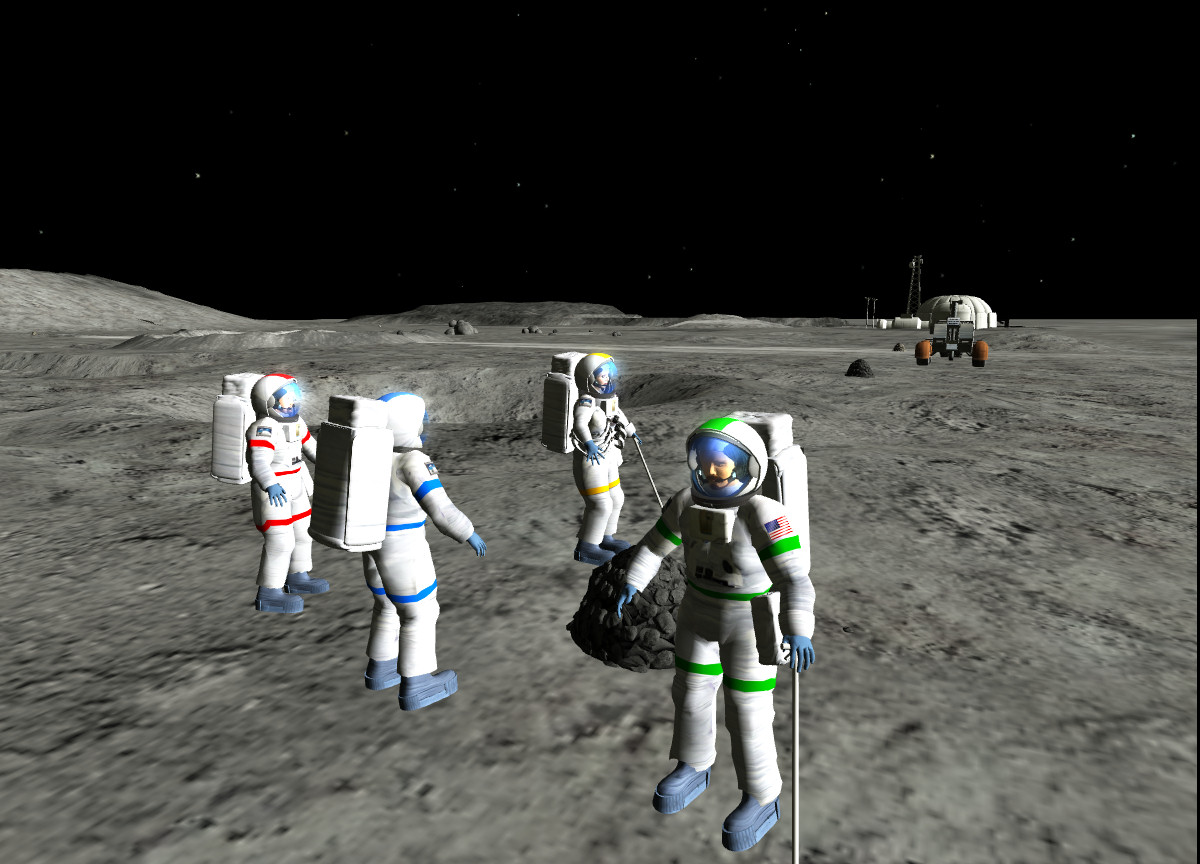
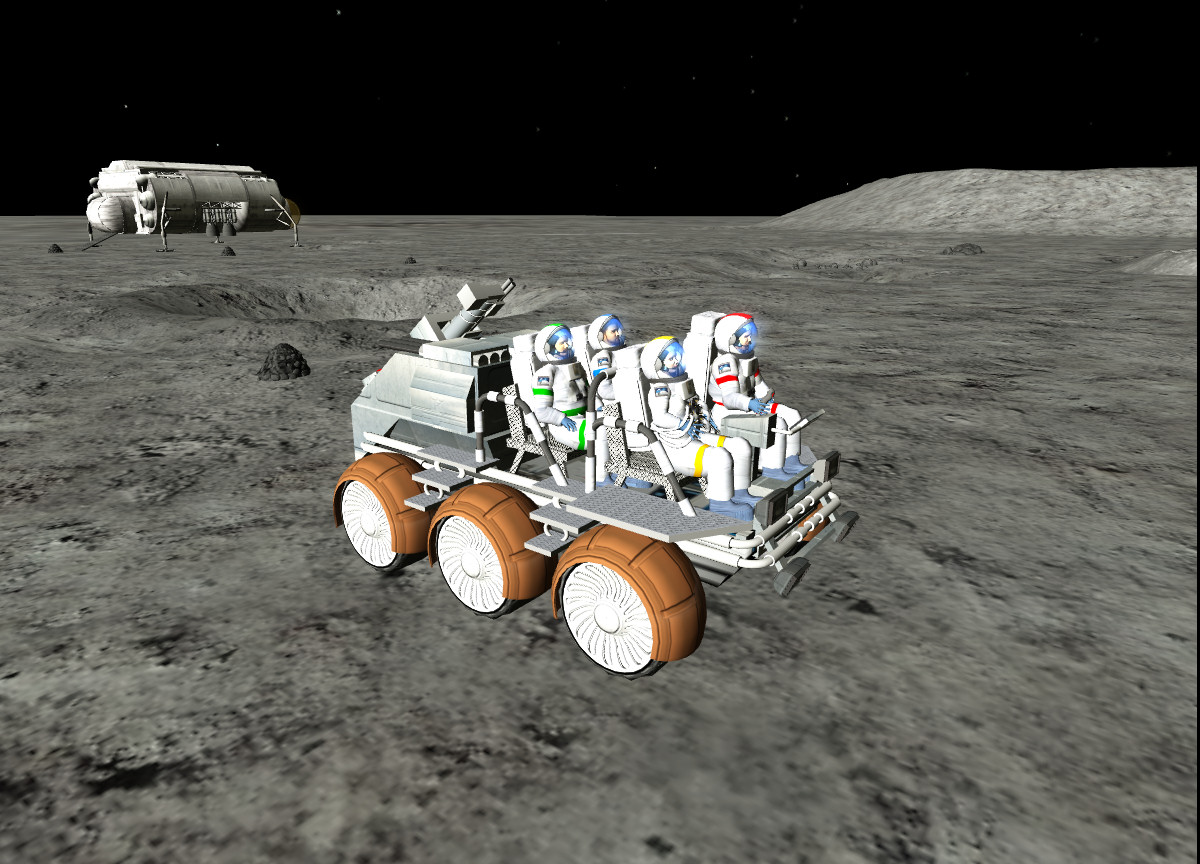
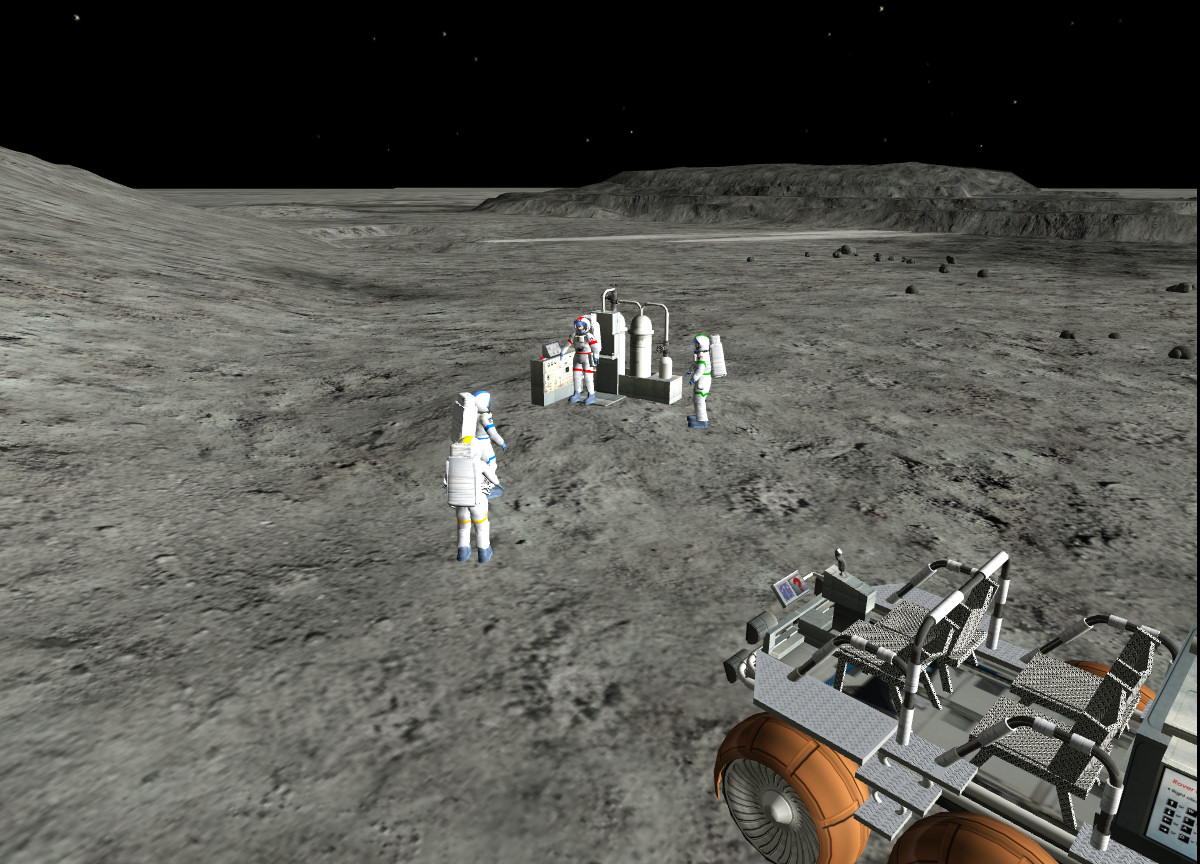
Mission to Timocharis region on the Moon.

  • Ai Austin - Team Captain
  • KaronMcB - Explorer
  • indrimagri - Explorer
  • Kimberley Pascal - Explorer

MoonWorld Virtual Field Work: http://moonworld.cet.edu/ and http://www.avatrian.com/moonworld/

Mission Data


Surveys for Team Members

Posted by Austin Tate | 0 comment(s)

January 20, 2012

Since this game is such a historical one, I won’t believe that if anyone tell me he/she has no idea what it is. However, it is really difficult for me  to play this game seriously. At the very first time when I was a kid, I don’t like to play it because I always lose. Compared with my friends, they can get higher scores than me, as a result, I feel frustrated and reduce the motivation to play this’ Pacmana’. Now, even if I try hard to play it as part of my assignment, I still can’t enjoy playing it.


What I want to know is why I can’t enjoy playing it. Does it just because it is part of my assignment? Not really, I think I am a slow decision-maker. I don’t like the games which are designed to complete with other from the speed, such as ‘Age of Empires’(see website below), real time game to be more precise.


In the ‘Pacman’, if you can go faster in the beginning, you will be more likely to gain high scores since all the monsters are not released together at the beginning. How to organise a strategy is also the key. Later, I try to not focus on the spots but how to eat the monsters instead, and then in my fifth try, the scores are higher and finally reach the second level. (And then I am satisfied. :p)

[You do not have permission to access this file]

Reference:

http://www.freepacman.org/welcome.html ‘Pacman’

http://www.ageofempires3.com/ ‘Age of Empires’

Keywords: Pacman

Posted by Ming-Wei LEE | 0 comment(s)

When I first came to a course which aims to tell us what e-learning is, the lecturer demonstrated a well-known online interactive game regarding ‘frog dissection’ for basic medical knowledge building. (see the website below) It really empresses me a lot since it is so interesting. Moreover, it lets me know that game can not only allow us to relax or to be social with others but also can be very educational.


        The purpose of designing this game is very easy to be understood. To reduce the number of dead frogs which are killed for the experiment purpose. It can be argue that even if the learning material is provided online, such as this ‘frog dissection’, it doesn’t mean this can assist learners to gain deep learning better instead of using a real frog. However, it still provides us a new vision to consider if the learning can be also amuse and educational. The answer is YES.


Games provide the designer a platform to communicate with the one who access to the games. However, it really depends on the designer what kinds of materials should be implemented in order to stimulate what kind of learning behaviour to occur.


Reference: http://www.articulate.com/community/blogdemo/frog_dissection_demo/player.html

Keywords: frog dissection

Posted by Ming-Wei LEE | 0 comment(s)

January 19, 2012

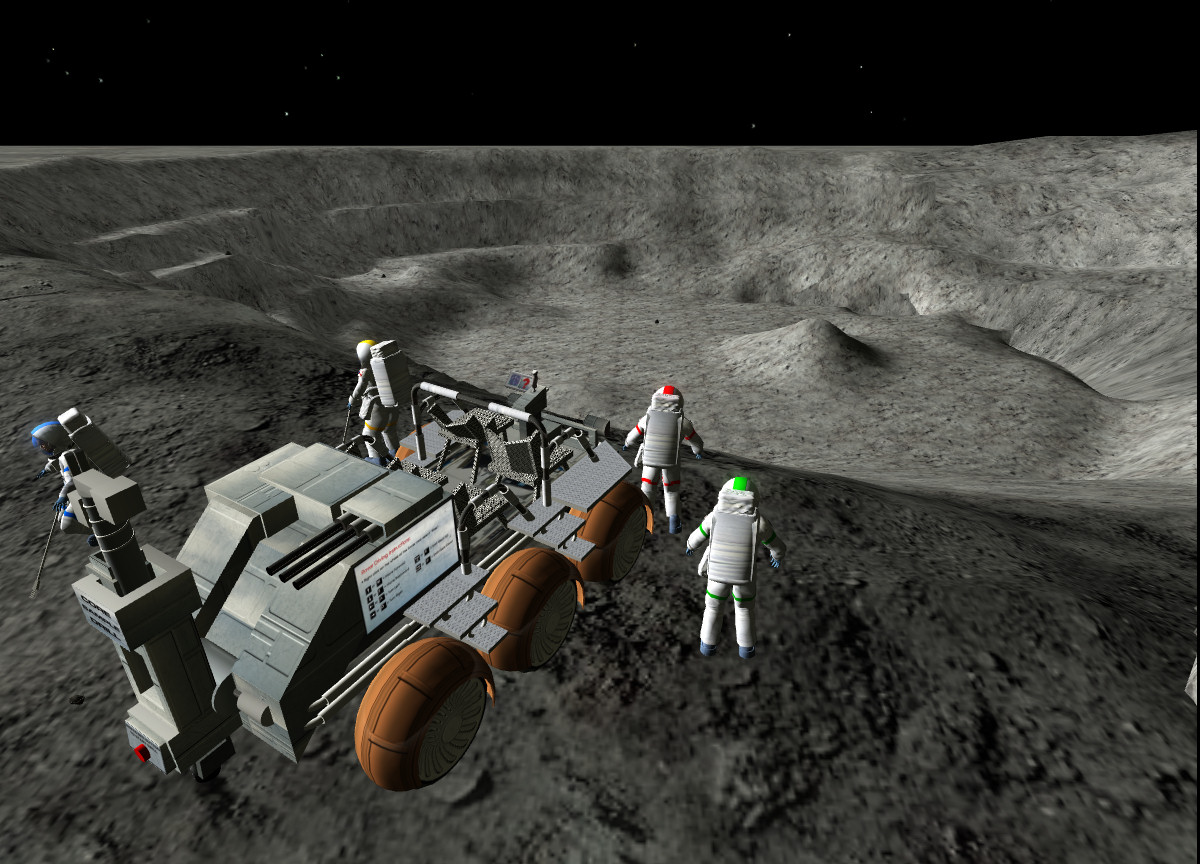
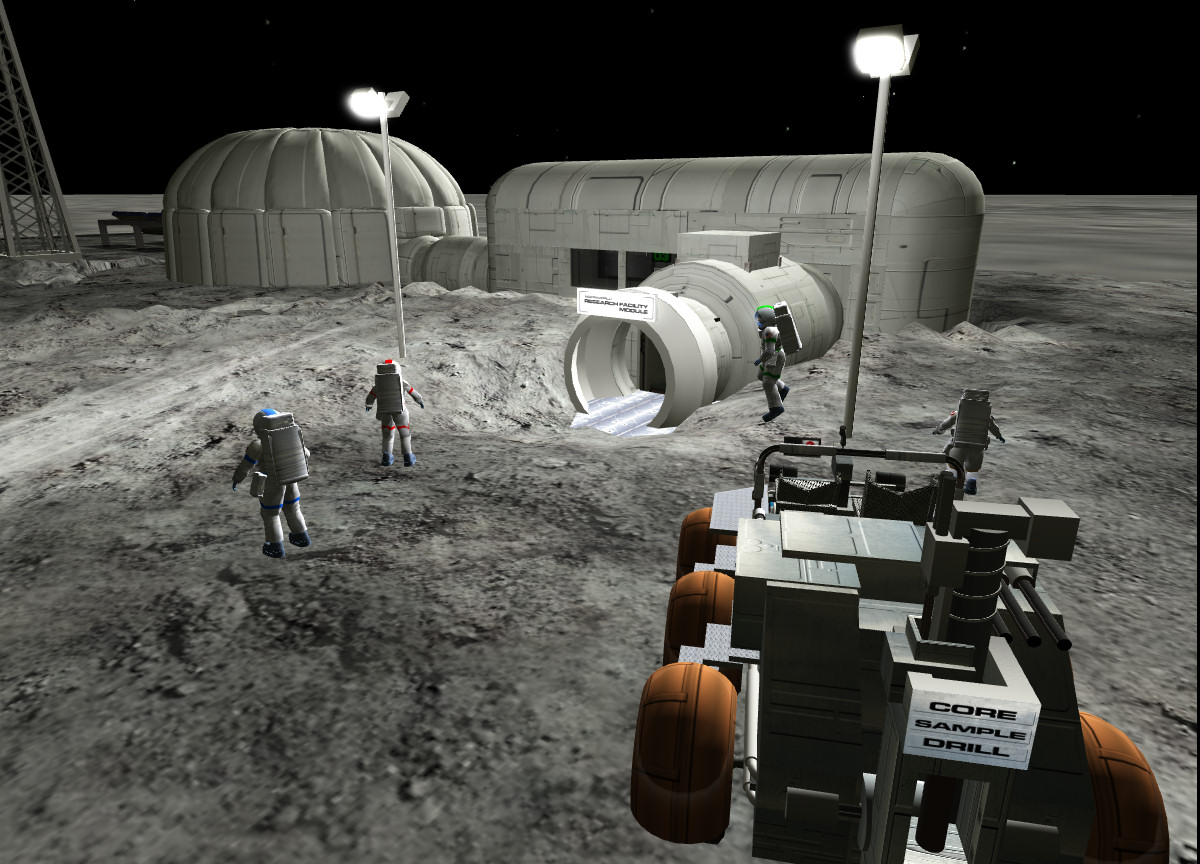
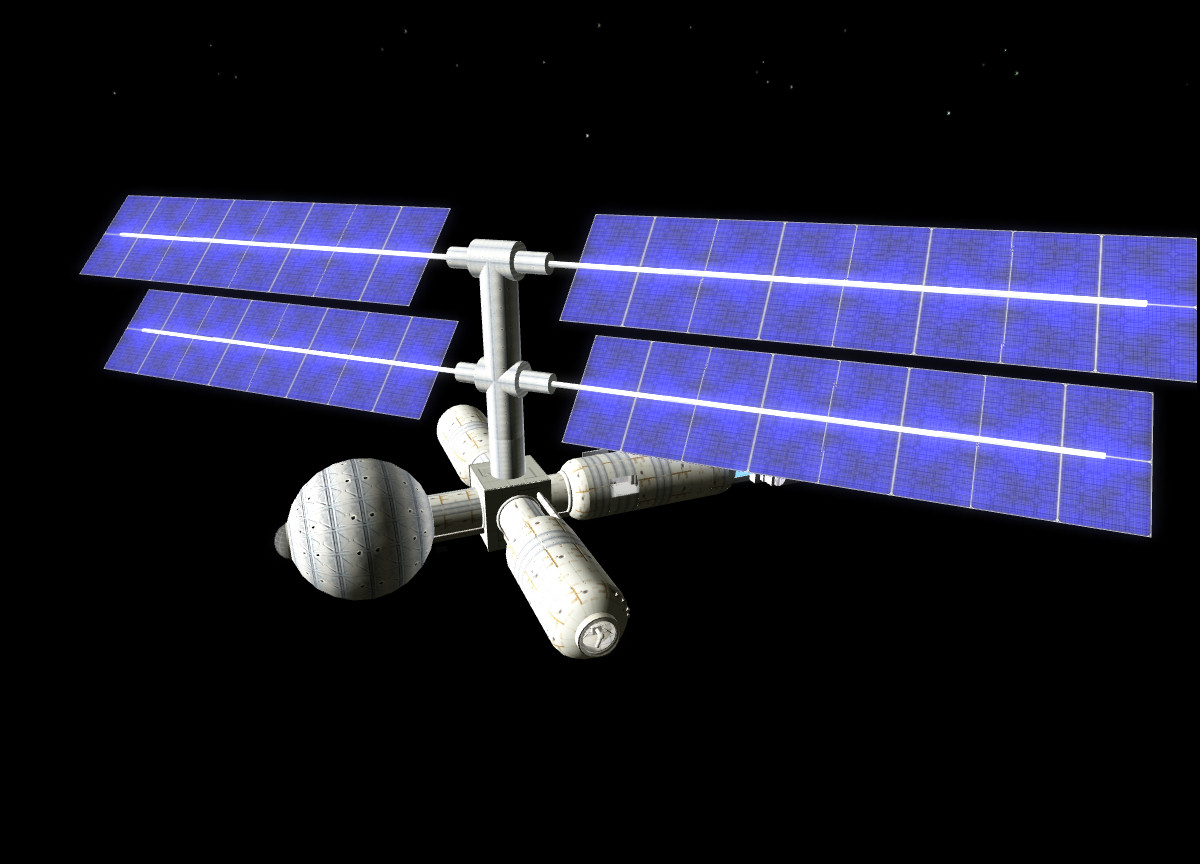
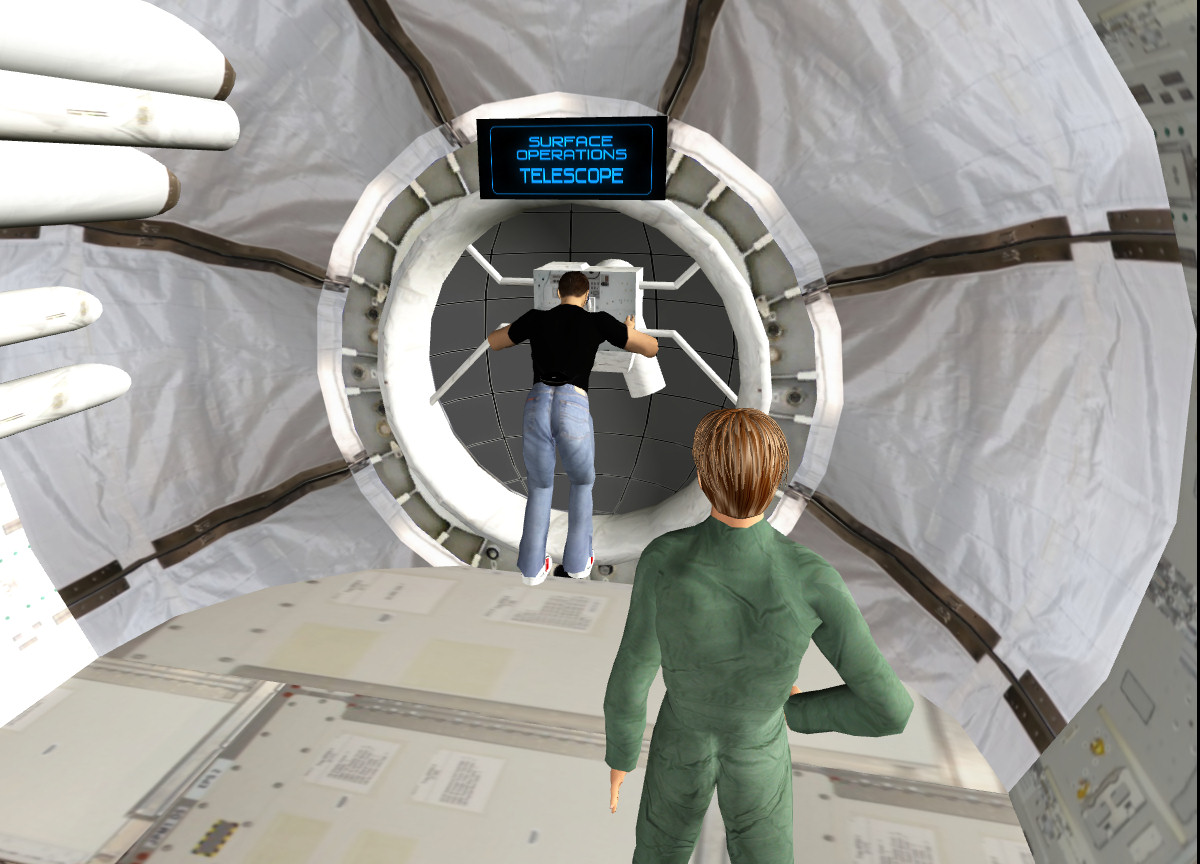
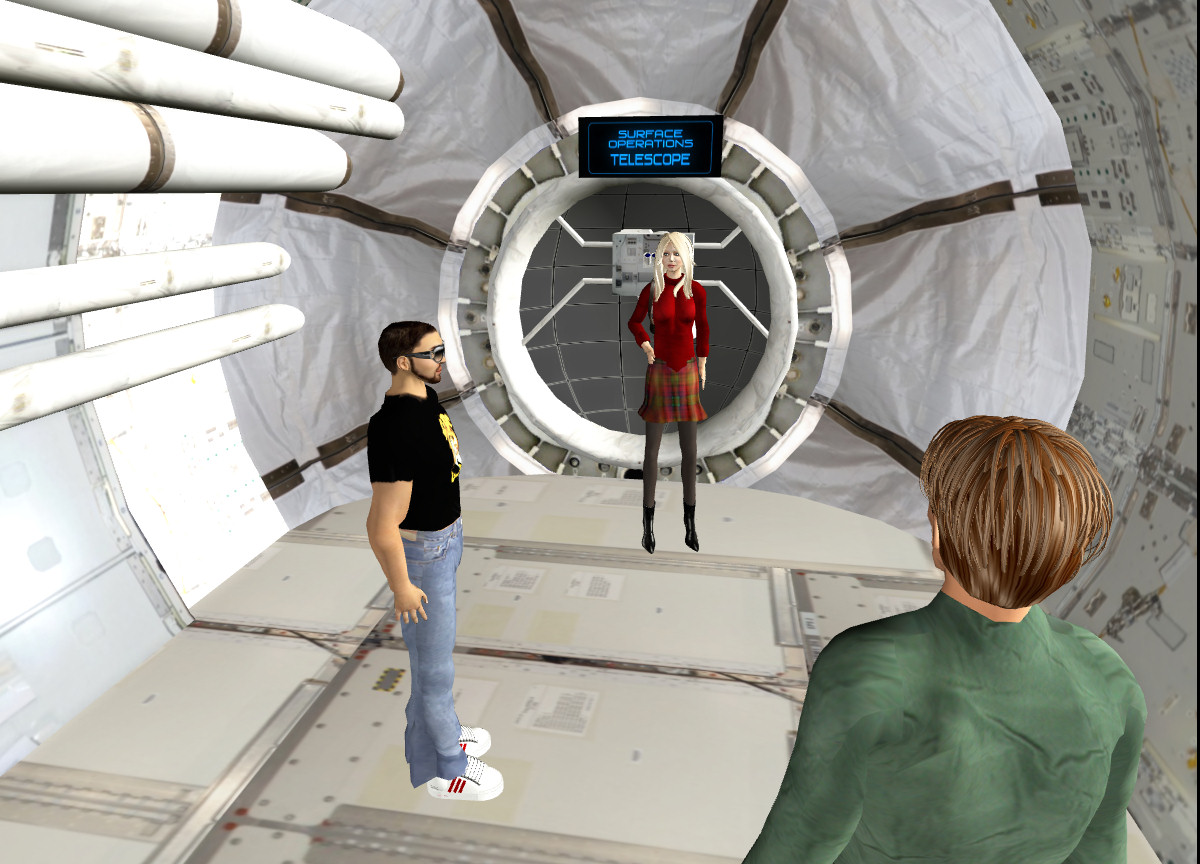
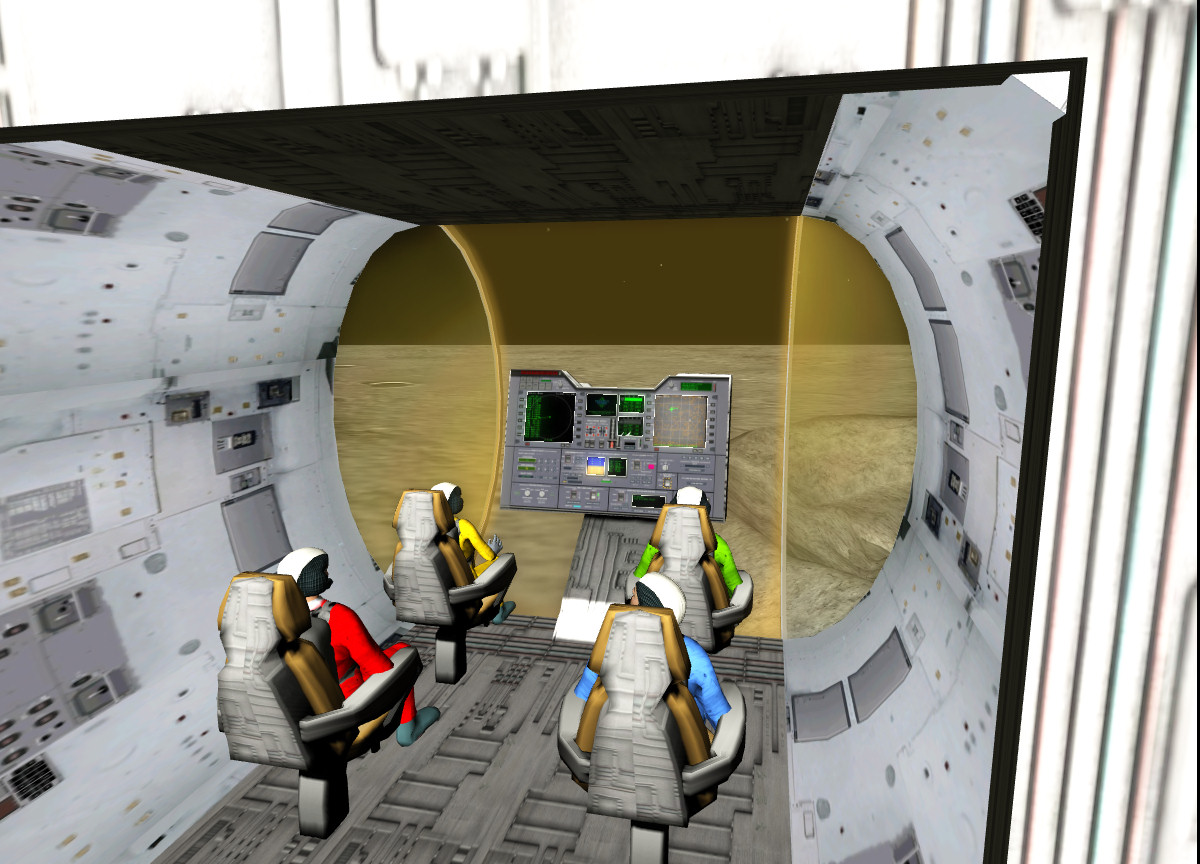
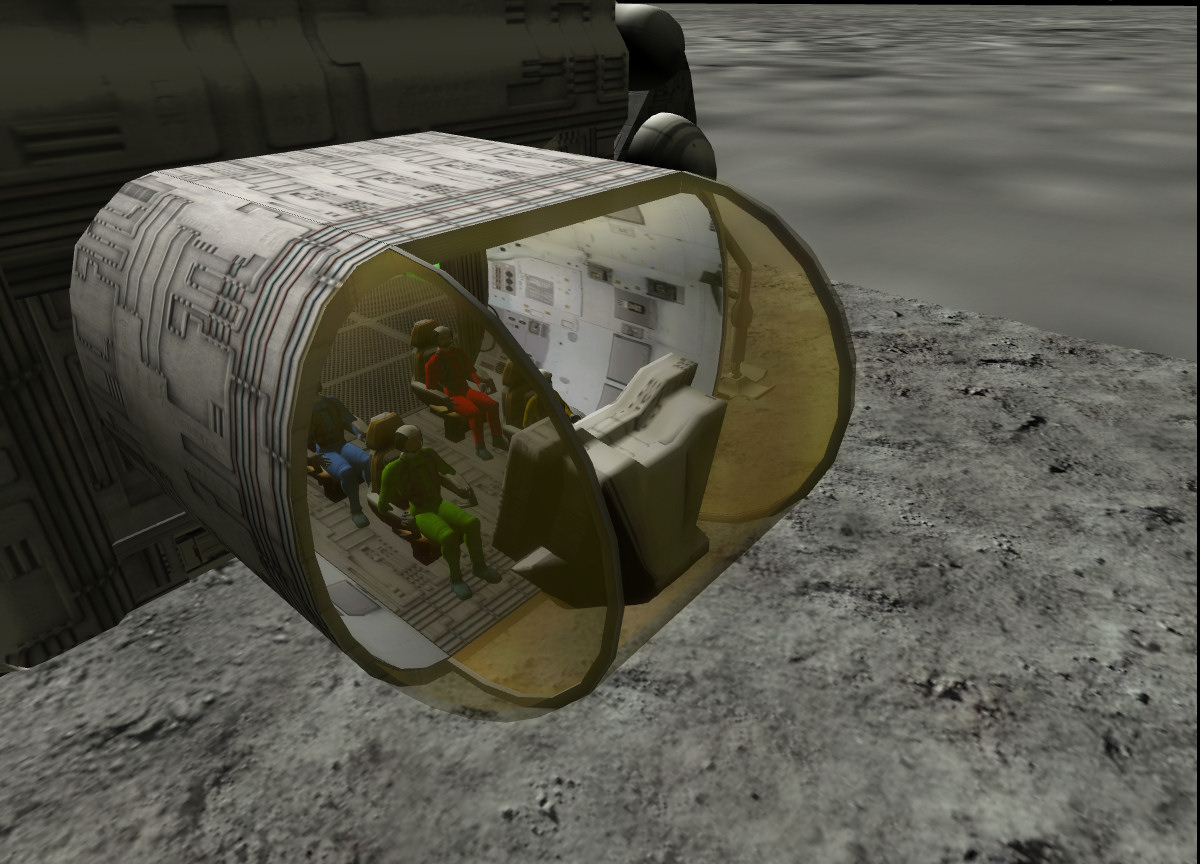
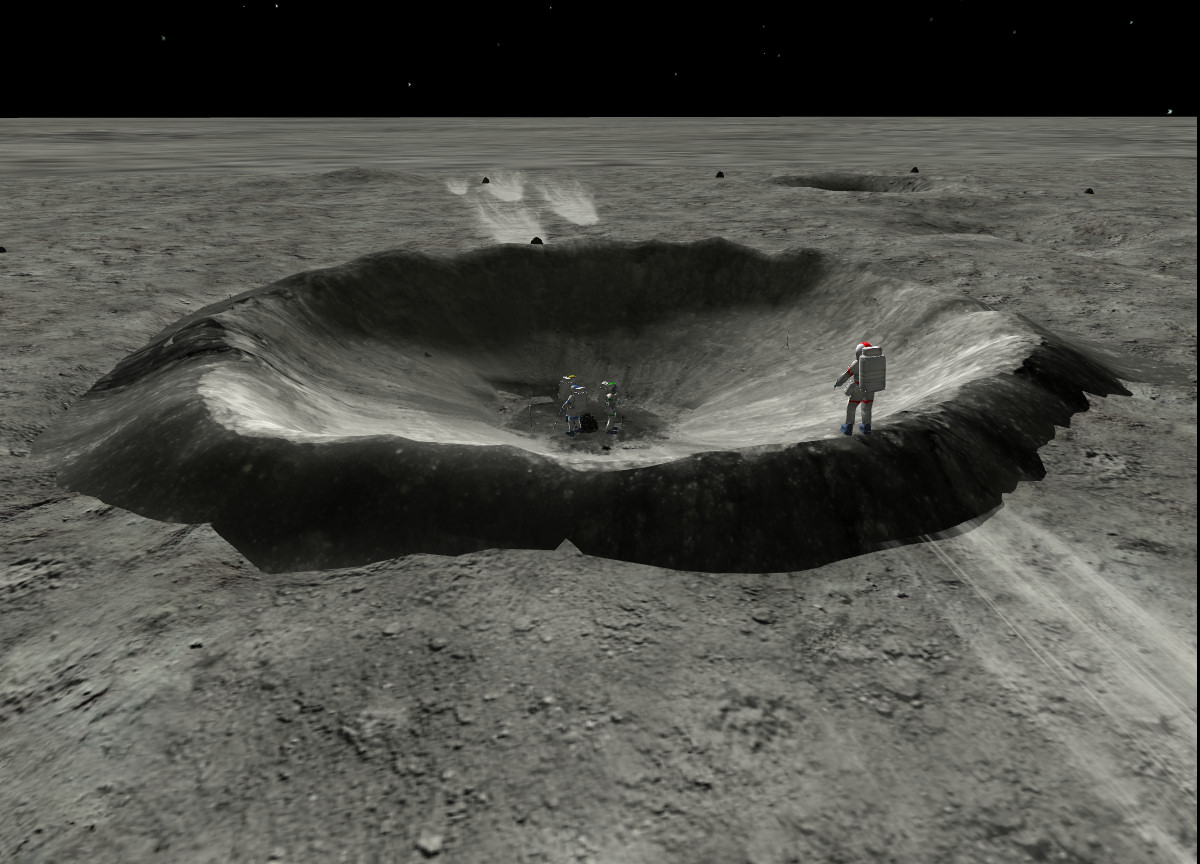
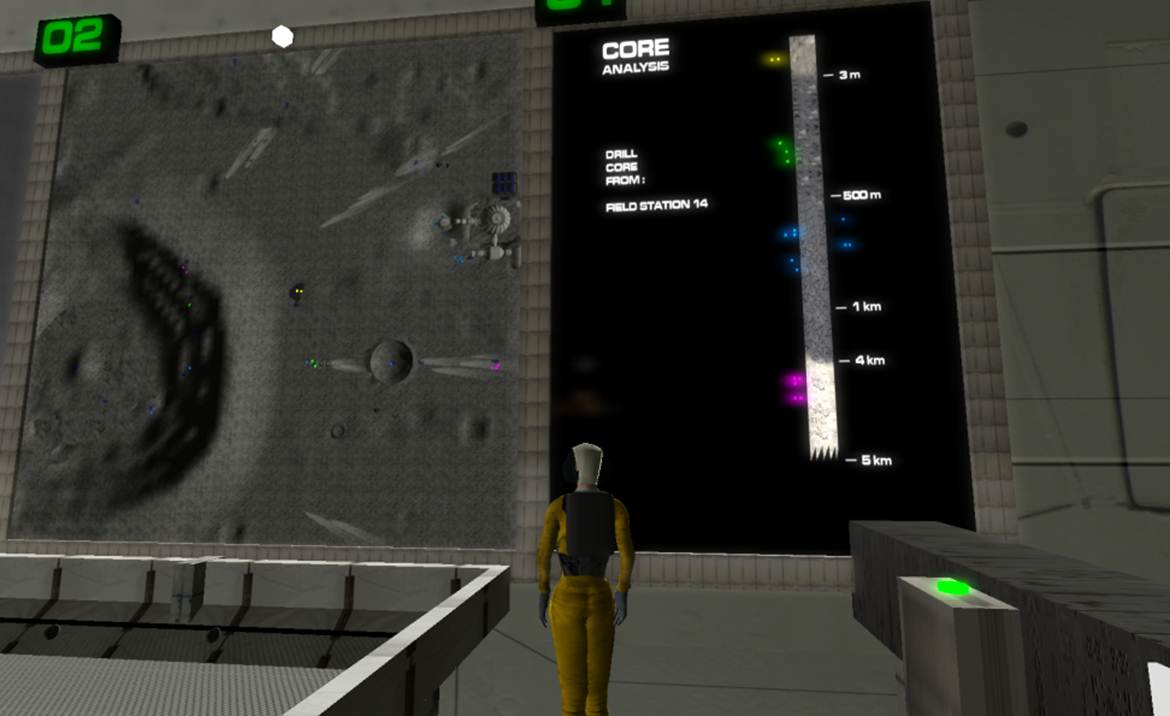
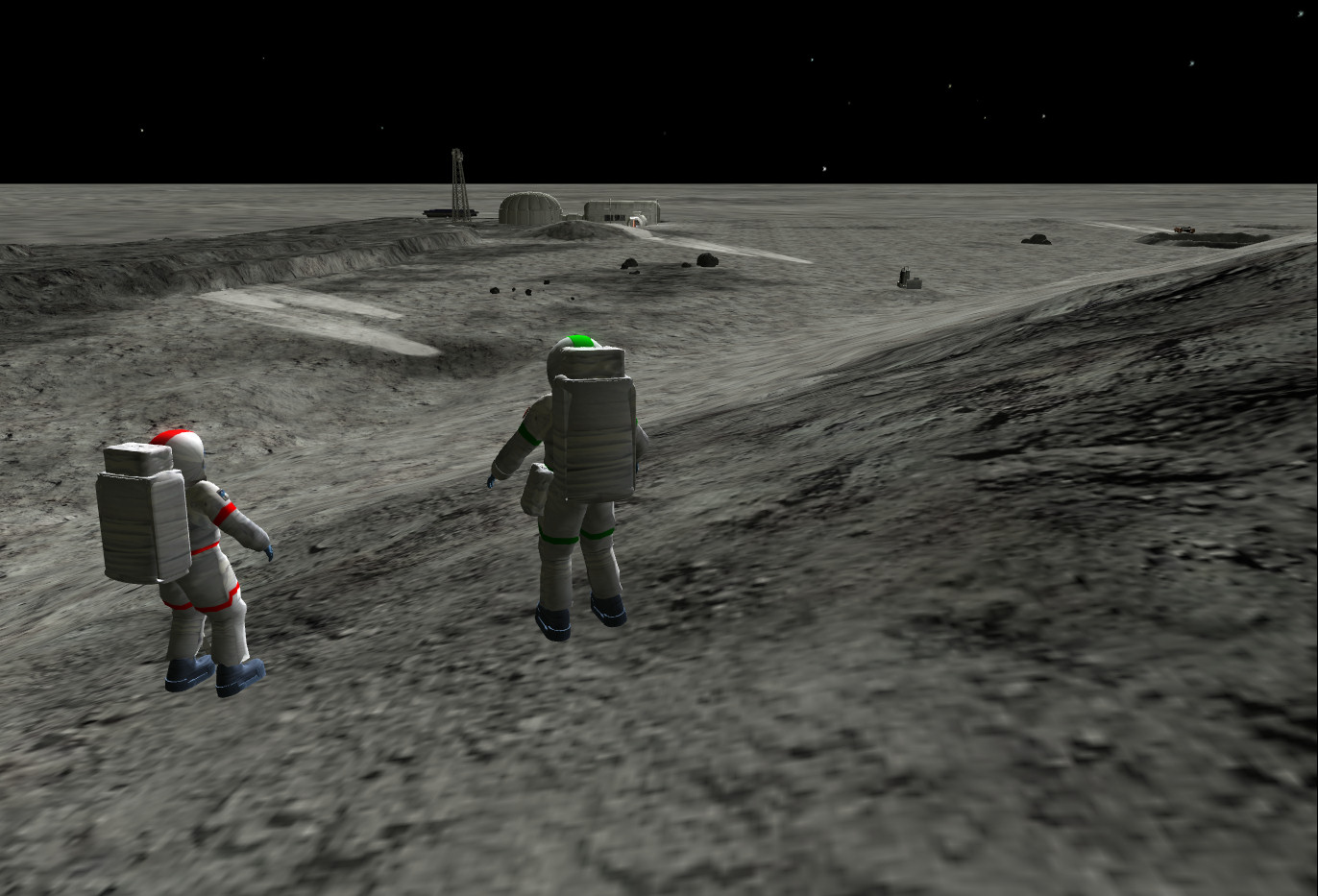
MoonWorld in Second Life - http://moonworld.cet.edu/ - is a space themed virtual field trip style game encouraging the study of rocks and geology. It provides a lunar simulation in a 3D virtual environment and was funded by NASA. The instructional goals include using evidence gathering and analysis to understand how impact craters form and how their spatial relations with other landforms permit development of a stratigraphy and history. This educational and training project is conceptualized by the Center for Educational Technologies and developed by Avatrian. 
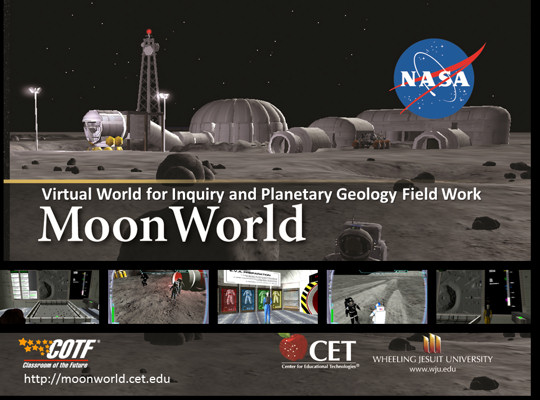
Video footage from MoonWorld

MoonWorld Missions

The MoonWorld region in Second Life can be accessed by setting up a mission on the Calendar at the Web Portal at http://www.avatrian.com/moonworld/

A team name, team leader avatar name and a team code are chosen. This then provides a URL to which extra team members can be added.  Up to 4 members make up a surface team. Also provided is the URL to go to the mission prep area when its time for your mission.

The web portal also provides access to a teleport URL to go to the MoonWorld prep area when its time for your mission, search to find a team leader or member (by avatar name) or team name.

Getting Ready for Your Mission

Your team leader will be able to assist you, but if you want to read up a liottle on your mission and the equipme nt you will use, see this MoonWorld Guide to Starting a Mission (PDF Format).

MoonWorld in Second Life and OpenSim uses special themes to simulate the lunar environment. The themes create a black sky with stars, sun, earth, and other celestial bodies, as well as, removing the waves that lap around our island. For details for PC and Mac users see:

Welcome on board! There are few quick things which Moon explorers can do to set up...

  1. Get the latest SL viewer (3.2.5 as at January 2012) and give it a run as the interface may be quite different if you have not used it for a while. http://secondlife.com/support/downloads/
  2. If you have not used viewer 2 or 3, go into the outfits window the icon looks like a short) and "save" your outfit.  That will help you get back to how you look now.
  3. Install the MoonWorld theme - when SL viewer is NOT running. Its just two .xml files. Instructions for PC and Mac users above.
  4. Then go into the SL viewer and activate those in the environment editor ahead of the mission time.
  5. Make sure you have media set to automatically play (that's the default).
  6. You might want to check the "Draw Distance" sety in Preferences for the Graphics under the Advanced Tab. Set it to at least 128m and up to 256m to let you see right across the region.
  7. Remember how to snap images in the SL viewer - ctrl ' does the job as a keyboard short cut.
  8. To get nice pictures it is useful if you know how to move your camera separate to moving your avatar. Some guidance on this is at http://openvce.net/slchecks

The team leader will register your avatar for the mission, or provide a link and team code to allow you to do that yourself. An e-mail will be sent to you with an access SLURL when the lander becomes available at the very start of the time slot. Then we will take it from there.  A mission can last 2 hours. I am not sure we will want to continue right through the mission sample points and lab analysis.  But we will go as far as we wish and then return to the lander.

During the mission, it is wise to stay close together as a team and not go ahead to later exploration stations.  That way everyone can stay in sync.
Sample Mission

  • Location: Timocharis region on the Moon, which was the landing site for Apollo 17. This was the mission which had the highest level of geological exploration.
  • MoonWorld mission on Tuesday 24-Jan-2012 08:00 PST/SLT (16:00 GMT) is confirmed...
  • Team: Pythagoras
  • Team Captain: Ai Austin (red)
  • Team Explorers: Indri (indrimagri) (blue), Kimberley Pascal (green), KaronMcB (yellow)
  • Team Code: provided when participation confirmed

Our aim will be to understand something of the way the crater we will land near was formed.  We will have access to head up displays, videos from mission control, and rock guides as we go along.

During the mission, it is wise to stay close together as a team and not go ahead to later exploration stations.  That way everyone can stay in sync.

Useful Links

Post Mission Discussion and NASA Questionnaire

The team leader hopes the experience will generate some observations related to the educational approach and potential of this and similar "games" for serious educational uses. To assist i this it might be useful to look at:

At the end of the mission please complete the MoonWorld project questionnaire for NASA (Teacher of Adult versions) at https://oedc.nasa.gov/dc/anonymous.jsp?a=1065378030737543106513231896

Keywords: IDGBL, MoonWorld, Space

Posted by Austin Tate | 0 comment(s)

January 09, 2012

Let me introduce myself.. Austin Tate ... and my virtual worlds avatar... Ai Austin

Austin Tate  Ai Austin

In Semester 1 of 2011/12 I took the following MSc modules: "Introduction to Digital Environments for Learning", "e-Learning and Digital Cultures" and "Understanding Learning in On-line Environments".

In Semester 2 of 2011/12 I will take the following MSc module: "Introduction to Game-based Learning" and a "Custom" module in lieu of "Research Methods" which will prepare the way for my MSc dissertation related to AI Classroom Assistants and Mixed-Initiative Learning Approaches.

Keywords: EDIDGBL, Introduction

Posted by Austin Tate | 0 comment(s)

December 08, 2011

Its chilly in Sony Home ...

Keywords: IDEL11, Sony Home

Posted by Austin Tate | 0 comment(s)

December 07, 2011

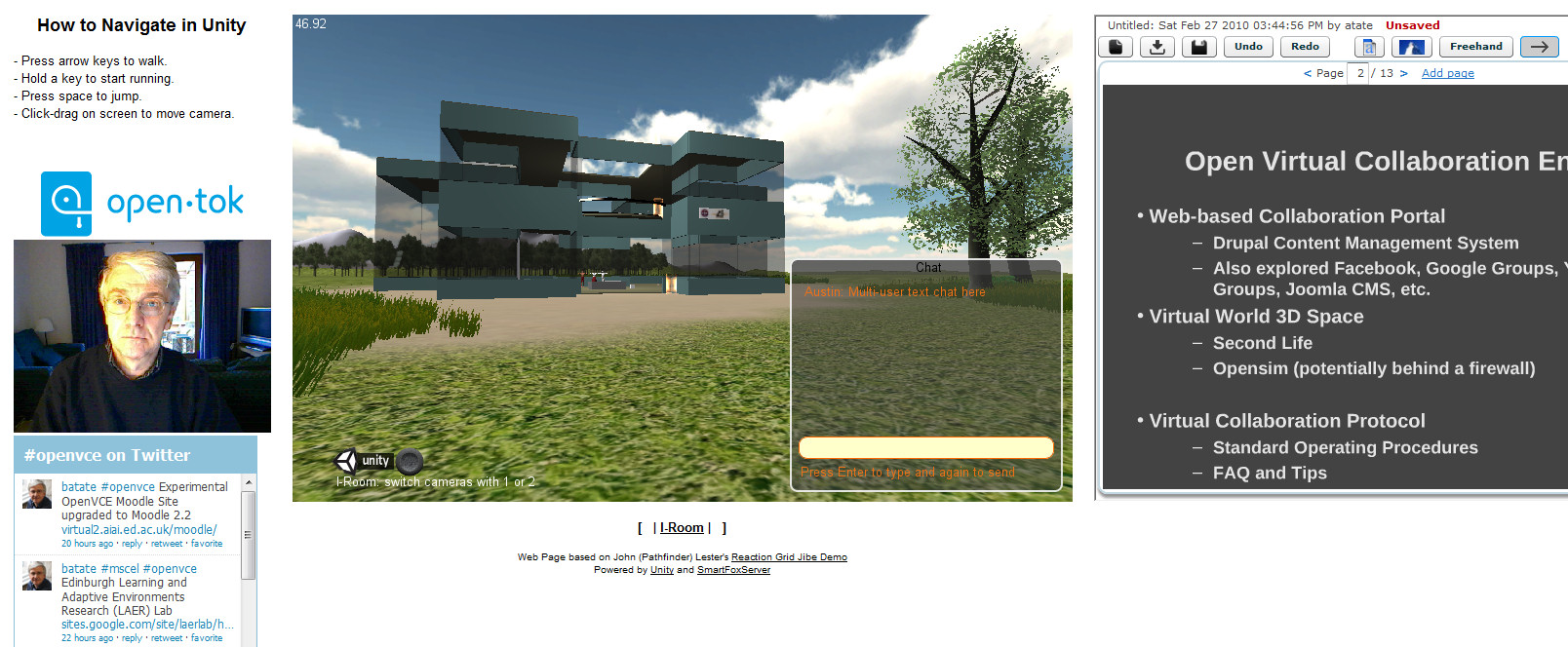
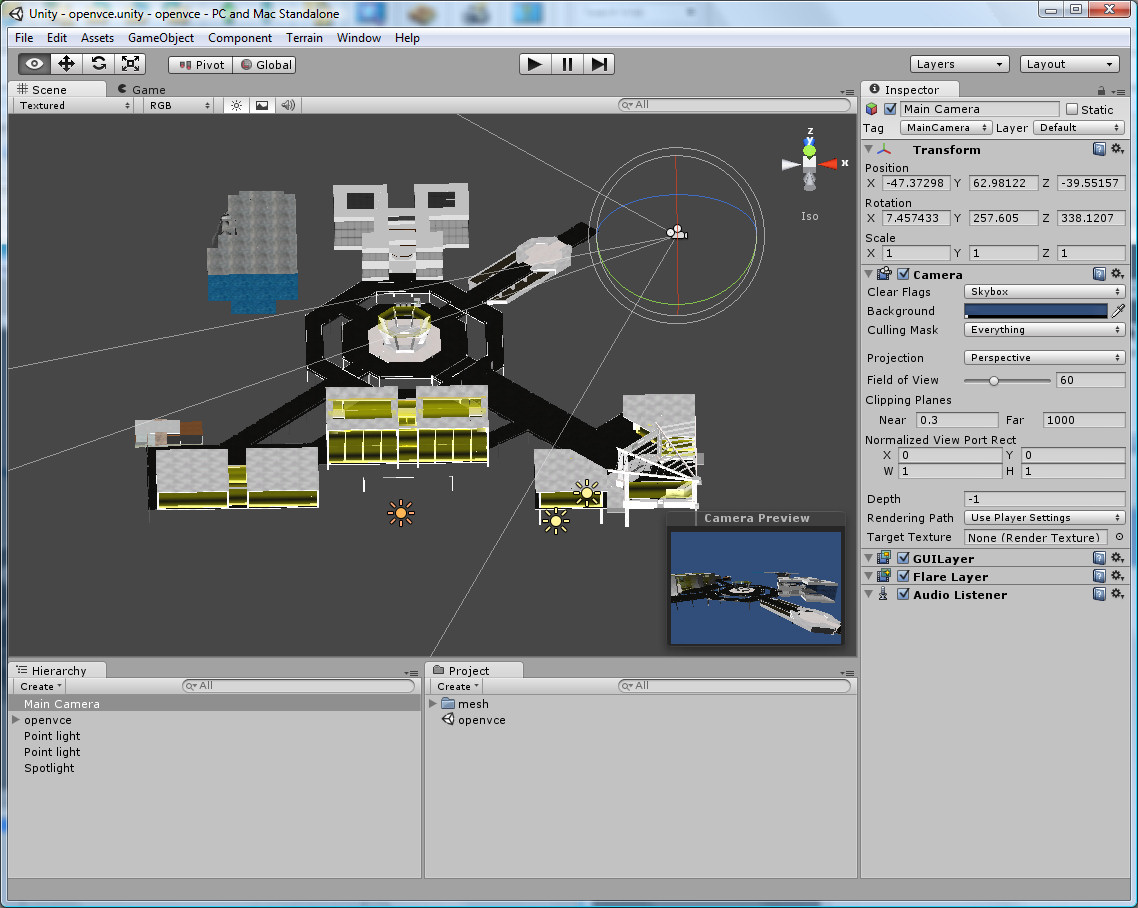
A number of people are investigating Unity3D as a 3D graphics engine for virtual worlds. It can be delivered through a web browser on a range of platforms including mobile devices. It might offer a light weight alternative to Second Life and OpenSim.

I have created a simple I-Room from scratch, built that into a complex Unity3D terrain and incorporated very simple avatars as an exercise in learning about Unity3D.  I have also experimented with two different multi-user server addons - SmartFox Pro and Photon. I have embedded the Unity3D virtual world view into a web page alongside collaboration widgets to provide Twitter following of a given #tag, VoIP via Tokbox, and a Dabbleboard for showing presentations and giving a shared whiteboard. The demo systems are all available via http://www.aiai.ed.ac.uk/~ai/unity/

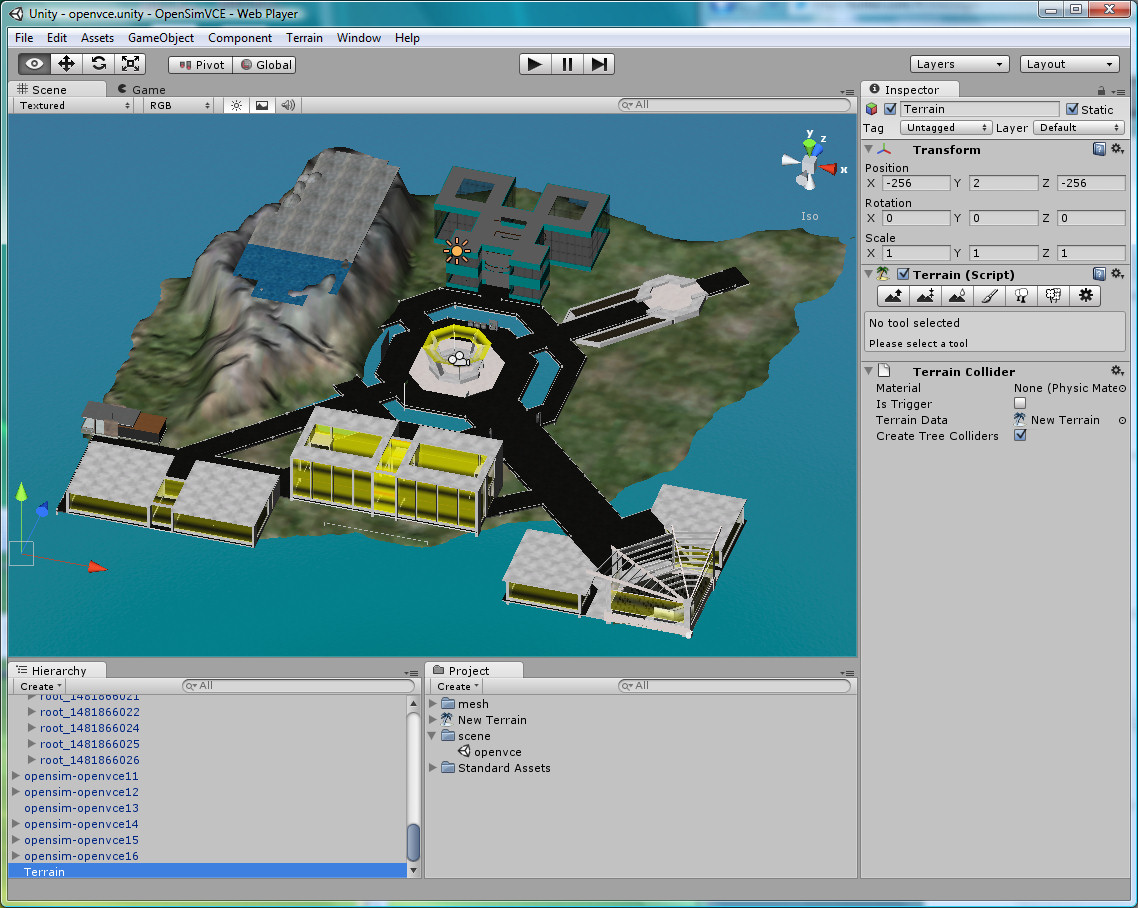
Even better, there are a number of groups interested in content exchange from OpenSim to Unity3D. An example is the recent conversion of the OpenVCE collaboration region which was originally on the Second Life VCE region, ported to OpenSim and then converted through Tipodean's Collada Converter for use in Unity3D. It is now available for use under the flexible Lesser GPL licence.

Keywords: Collada, IDEL11, Tokbox, Unity3D

Posted by Austin Tate | 0 comment(s)

December 06, 2011

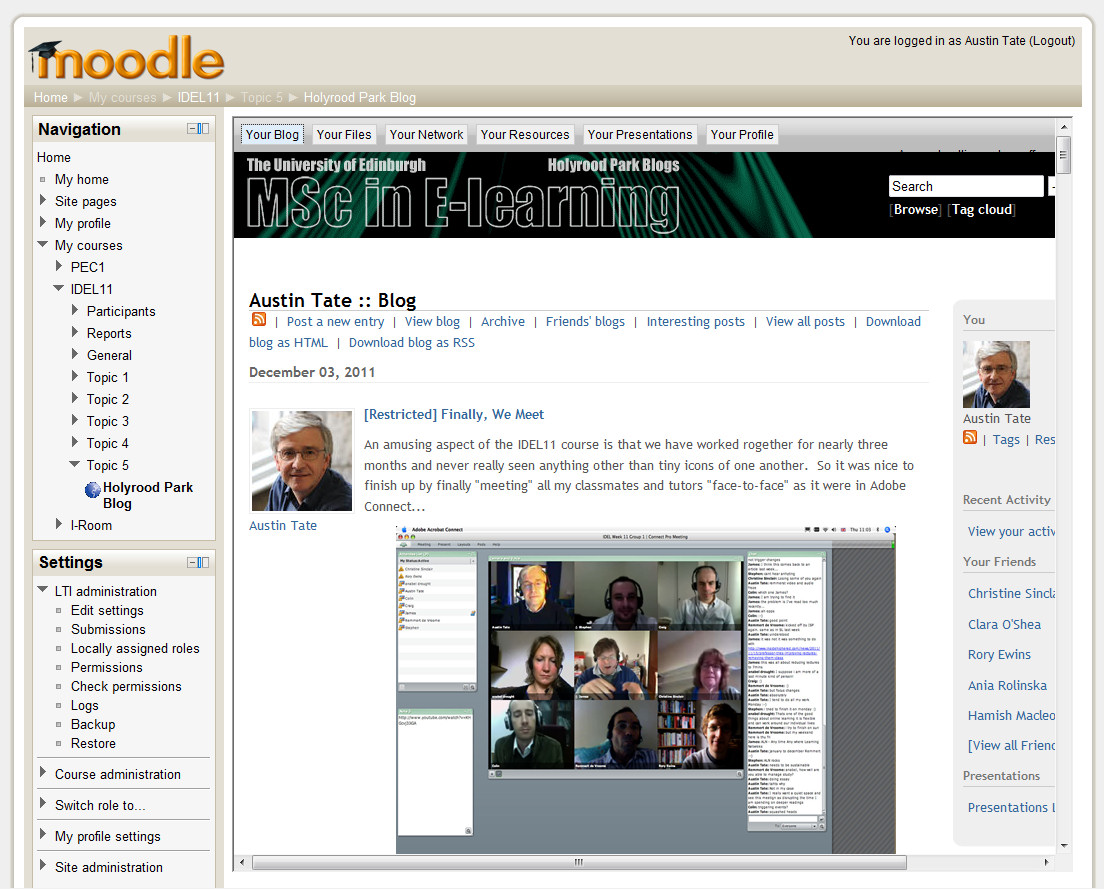
Moodle 2.2 released today (6-Dec-2011) includes a facility which allows for the embedding of tools that are provided externally as activities on courses.  Close integration is possible using the IMS Global Learning Tool Interoperability (IMS LTI) standard. See http://www.somerandomthoughts.com/blog/2011/11/28/moodle-2-supports-connecting-to-ims-lti-tools/

But the same mechanism allows for effectively any external tool to be easily embedded (above showing the Edinburgh MSc in e-Learning IDEL11 Course Holyrood Park ELGG Blog).  The simple mechanism just means you input the URL from which the tool or contents are served.  More advanced facilities allow for proper IMS LTI integration. See the image of the advanced version of the tool options.

Keywords: IDEL11, IMS LTI, Moodle

Posted by Austin Tate | 0 comment(s)

December 01, 2011

Posted by anabel drought | 2 comment(s)

November 30, 2011

On my research project related to supporting the OpenVCE communities at http://openvce.net/ I was engaged in setting up a new group portal on the APAN (All Partners Access Network) hosted by the US Government for non-classified work between government agencies, NGOs, organisation and individuals across the world. This replaces the previous HarmonieWeb portal. the APAN network uses the Telligent Collaboration framework to provide the usual blogs, discussion forums, wikis, group chat, etc. And then provides an Adobe Connect service attached to that for the supported communities. We provide "web observer" meeting access to virtual words meeting spaces via Adobe Connect services through these portals.  I was involved in a number of training programmes and setup exercises as I took on the group owner role on APAN.

I did some further experimentation with the Unity3D platform, and used a Collada mesh translation of the OpenVCE OpenSim region buildings created via a converter service from Tipodean technologies in the USA.  We are further experimenting also with the OpenSim-based MOSES grid hosted by the US Government also for work with non-government agencies internationally.

We believe that a combination of the APAN OpenVCE Group for a community web portal and a simplified meeting space in either the OpenSim-based MOSES grid or on a Unity3D setup might offer a long term stable basis for continuing work in the OpenVCE.net community.  Currently a Drupal server at Edinburgh is used for the community web portal, and the virtual words service is hosted on the VCE region in Second Life.

Keywords: Adobe Connect, APAN, HarmonieWeb, IDEL11, OpenSim, OpenVCE, Unity3D

Posted by Austin Tate | 0 comment(s)

<< Back Next >>