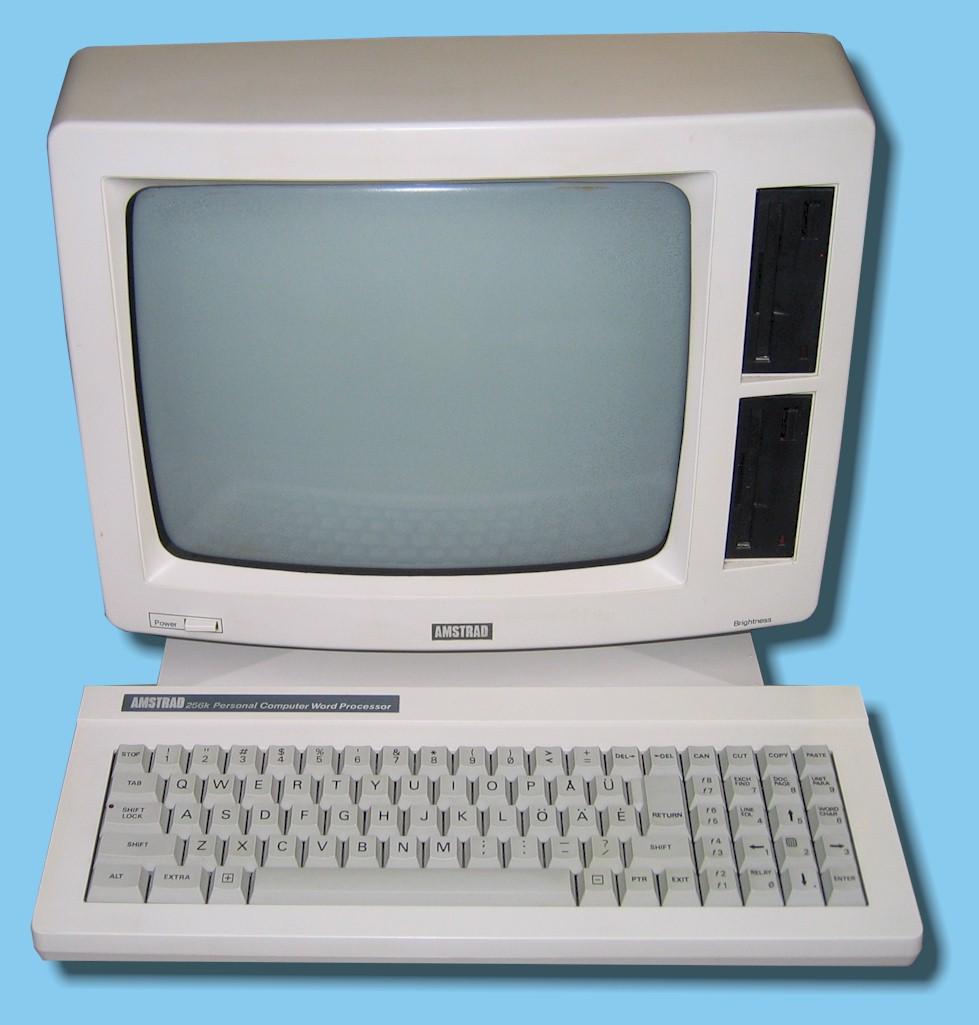
By the time I reached university I had reached the point when I had not only access to networked computers but also a PC in my own room so I brought myself the Monty Pythons the Meaning of Life game as a way to expend spare time. It was all based around the film and included additional Terry Gilliam animation it looked incredibly slick. It ran off a CD Rom and included lots of clips of film between a progressive series of puzzles and daft trivia games. It appealed to me because I liked the Monty Python TV show and films but I returned to play it as it had several entry points and the games were fairly random and witty: it was entertaining even when you did badly.

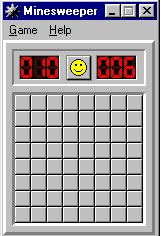
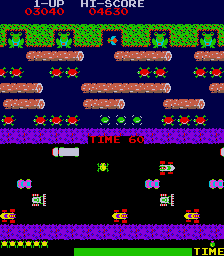
At university I found myself trapped at a campus out of town for lots of lunch hours with little to do so joined my peers in playing Light Bikes and, when flash started powering lots of online games, things like Tetris and Solitaire but played online (wisely the university did not include the games in the standard Windows installs on computer lab machines). I was still on the whole more interesting in writing, blogging and starting to edit websites most of the time but remember reviewing films one festival with a team of video and flash producers. At the time flash games were starting to be used particularly on brand websites (as they still are) to create lively slick looking add ons to the site (rather than as the core style of presenting the whole website as is the case with lots of brand sites now). The process of creating them was, however, fairly complex and time-consuming (though, at the time, less taxing than trying to capture and deliver video to a good standard online) and the team I'd been working with went off to lucrative work in London as every company was starting to need a website and starting to want something slick and playful to draw people in.

A few other games started popping up as well. A friend lent me his copy of Incredible Machines, a rather geeky game based on building wonderful surreal gadgets and vehicles to solve peculiar puzzles on screen. Of the games I'd played this was one of the most educational feeling – although since I was studying engineering in between games I knew that this was more puzzle than study – and one of the most engaging as it was quite analytical, very creative and there were multiple ways to find a solution.
I enjoyed Incredible Machines but, when I complained how much I wanted an even more freeform game – something where I could create and build and control what I wanted, I found myself receiving a box set of the Myst series for Christmas. I tried to fathom the game but whilst it was the most graphically glorious game I'd encountered it was also terribly frustrating. It did take creative skills to master but it seemed to need a psychic connection to the games developer to find the goals and solutions to progress. I gave up quite quickly as I grew tired of reading obtuse text introductions and then playing baron (but beautiful) game areas where only a few areas had any type of (obscure) functionality. It had the aesthetic I'd been hoping for but the “creative” game play aspect felt too regimented.

I started working part time in a computer lab and, since the job amounted to babysitting the room and filling the printer, I found myself with long shifts to fill with things that could be regularly interrupted. GemMine and various other deeply daft puzzle games kept me entertained as gameplay only took a few minutes on the whole.

But it was when I moved into a shared flat with a console (and subsequently several consoles) that I really started to play computer games. I spent hours and hours playing Tony Hawk's Pro Skater 4 with my flatmates. There felt like a real progression of skill in the game and, as I perfected my grinds, I felt like I was really progressing through the game. Key to this sense was the fact that the flatmate I played with most often was of a similar skill level so a slight difference in skill or experience from playing individually made shared game play that much better. Both of us, however, were regularly shown tips and masterful play by two casual experts of the game who came round for parties and video nights and trounced our scores. One night we decided that we should play with the custom settings on game and decided to create players for our games that looked just like our real life experts. This new bizarre embodiment in the game actually made it much more fun to play – suddenly our skaters had a name, a look and a personality as well as some custom skill points to match our best playing skills. The game kept us entertained for months and months – and cleverly blended the ability to save long term progressive games with short unsaved party modes - and felt really sociable so I have very fond memories and reached probably the highest level of game skills of any game I've played before or since. I really felt like I knew what I was doing. And years later I was amazed to find that the realistic landscapes used in the San Francisco levels of the game had been so good that I was able to guide my partner (who grew up near the city and had often visited) round the areas she hadn't visited before. In fact Alcatraz was so like the game that I had flashbacks to specific favourite moves as I walked around and felt like I had been there before. It was wonderful and very bizarre.

Computer game sessions at the end of video nights become the standard end to the night in the flat with Bishi Bashi, Super Monkey Ball/Monkey Tennis, TimeSplitters 2, Grand Turismo, and Tekken Tag Tournament were all very popular.

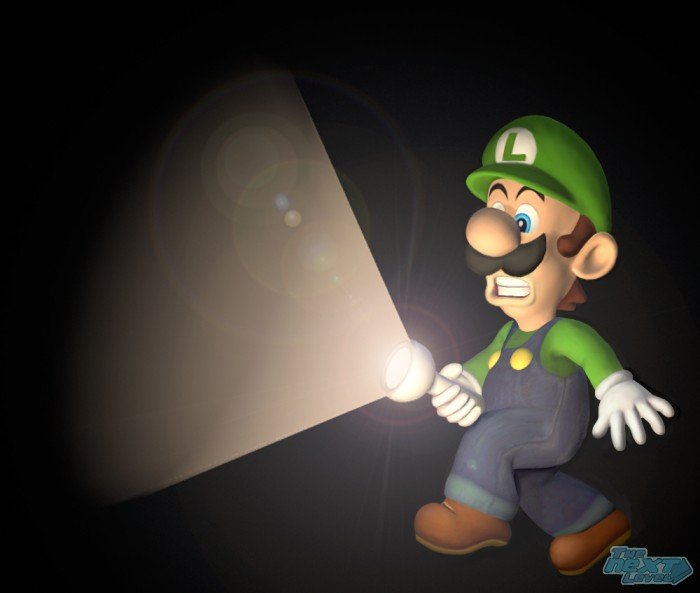
My flatmate also brought a few more slow burn titles so we both attempted Pikmin - which was highly enjoyable if not wildly exciting and Mario Sunshine, a game we again traded off tips and progressive game play in. Luigi's Mansion didn't entertain for long but was silly and fun but The Legend of Zelda: Wind Waker proved to be an even more compelling experience than Tony Hawks since it combined slick animation and a whole rich complex universe. It was, however, definitely a solitary game and the most social it ever reached was in the exchanging of tips or new level info between game play sessions.
My flatmate also acquired GTA: Vice City for his PC at about the same time as a whole raft of our (male) friends did. After hearing about some of the notorious features of the game – freeform gameplay was the most enticing element but the idea of a game where you scored points for killing, mugging and using prostitutes had a certain amoral charm – that I requested a wee play on the game. Again I was wowed with the graphics and I did enjoy the custom cars and their multiple radio stations. I didn't really get the goals (perhaps the point if Games Britannia [1] is to be believed) but I enjoyed the openness of the space – Tony Hawk's and GTA were the first two games where I could go in the wrong direction, do something purely for entertainment or craft my own narrative and they were both much more enticing for this. The animation and, most particularly, the soundtrack packed with great well known tracks that set the mood were key to the games' success. However the progressing goals and narrative scenes of GTA, though slick, seemed to interrupt more explorative play and I never quite got the hang of taking part in these missions and areas of the game where you were taken out of game play to view important information. I do know friends who wanted to progress through the game in a much faster more goal orientated way though and I think these sequences (longer but not unusual in any video game) felt less disruptive in this style of play.
The rather warped moral code in the GTA gameplay didn't bother me too much at the time but then I was an adult woman playing the game. As subsequent titles have come out in the franchise I've been interested to see how they are marketed as I think the same subversion that makes these edgy and witty games has some odd implications for who plays them and how really committed players may view other people. I am astonished, for instance, how few protagonists in any modern computer games are women. Lara Croft may have been designed to look great to male gamers but that at least meant that she was a tough and multi faceted character (and led to the hyper feminist and equally quite exploitative Bits[2], a female fronted answer to Games Master[3] ) and gamers of all genders played the game in the embodiment of a woman (although more often as voyeur than through her eyes). GTA had men cast as various characters – gang members and bosses, taxi drivers, irate by standers, police men radio shock jocks etc. - but women seemed only to appear very peripherally and as prostitutes and mob girlfriends (which may or may not effectively equate to the same thing in the game). That actually means the game had more women in it than more random aggressive games – such as Halo, a game I played only a few times but found fairly dull (though exquisitely rendered) - but is, nonetheless, quite an odd experiential landscape.
 When I moved out of that flat a few years ago my partner and I sat down and talked about buying a games console. We'd both gotten used to playing a lot of games quite regularly and the Game Cube seemed the most enticing option. Indeed I still occasionally look into the windows of second hand gaming shops and ponder a discounted bundle of console and games to relive my gaming student days. At that time we decided to leave it for the time being. I lost track of what games were coming out and decided I was fine without a gaming console. However with several friends in the industry I do waver quite often and when the WII came out both my partner and I thought it looked like it could be a fun console to get. We haven't got one yet but that's mainly because we look at the price, we look at the amount of free time we have and we generally decide that we'd rather use the money on knitting, crochet, beading and cooking equipment – things that we tend to do together. Spare time is at more of a premium than money so my partner currently plays The Sims 2 on and off (very obsessively at times) when she has free time but, partly because of studying for this course, and partly because of other hobbies that tend to be my first choice of time filling activity, I've been pretty much off games for a few years.
Although I never think of it as a game I have flirted with Second Life both for this course and for general entertainment. As a space it ticks many of those boxes that Myst never did but it is really a social space and for that reason it tends only to capture my attention when I have a social use for it. The most compelling element of Second Life for me is the ability to create things but the tie to cash for importing and housing any items or textures in SL feels very alienating to me. I might be happy to pay a one off fee for software/a game but I don't use the space enough to subscribe (as I do to Flickr and PodBean) and really use it as an alternative space to be. What I would love it to be able to take out some of that SL experience and share it in other spaces.

OpenSim is interesting as a possibility and I also like the type of Machinima that comes out of SL as a way to share experience and creativity to those who do not want to register and take part in the same virtual world. I have also looked at World of Warcraft but have not been terribly tempted yet, in part because of the fantasy element of the game (not a style of game play in any format that has ever terribly inspired me) but mainly because the cost barrier is fairly high to get started and I'm just not sure I have the time to make the most of the game and thus get the value out of paying (even if I liked the game play). Those I know who do play a lot of WoW have existing groups of peers who already play in the space and this, in part, is a motivating factor as it allows them to play some fun challenging situations with old friends in areas near and far – as well as friendly strangers. And I cannot argue that WoW looks immeasurably more slick than Second Life.
Although I'm not gaming at the moment it seems that more and more of my friends do. Singing games show up at parties, WII Fit seems to be regularly mentioned as a modern alternative to the fitness videos and DVDs that used to be ubiquitous at this time of year. Given this upturn in gaming I'm surprised gaming doesn't appear in mainstream media and most particularly doesn't feature on TV outside of the adverts. When I started to take an interest in computers Knightmare (for a taster have a look at this (realplayer) clip) was on TV. By the time I had a PC and was wondering what I could eventually do with the technology Cyber Zone was on TV suggesting that we'd all be playing virtual reality games in the near future...
And by the time I actually played console games I was watching the excellent Bits and I felt like I had a connection to what was going on in gaming. But at that point gaming was gaming, as in a particular hobby with a fairly geeky connotation...
At the moment I see ads for gaming – more often than not featuring A list actresses or footballing dynasties. The emphasis is on games as a leisure pursuit for all – not just geeks but older players, women, and families – to play in sociable group contexts (the big screen TV acting like a roaring fire at the heart of a modern living room).
Particularly interesting are the brain training games ads – a particularly enthusiastic attempt to get older consumers to buy hand held gaming devices that seems, if the cafes and commuter routes of Edinburgh is anything to go by, to have had a fairly successful impact. Oddly this is marketing pitch claiming that games are educational but in such a way that the ads almost play like dietary supplement infomercials. It adds credibility to learning through games but only in the context of Sudoku style puzzles that are specifically labelled as learning games.
So, after looking back at all those gaming encounters a few things are highlighted for me. Firstly I am a hard gamer to capture. Although I seem to have played a lot of games and can be easily absorbed in many types of game it actually takes a great deal for me to become properly invested in playing a game. The long term games that allow the saving of positions and more freeform explorations work best for me and I learn skills in these. I like creative spaces but I get a little lost when there is no structure at all. Choice is good, infinite choice is quickly baffling. And finally I am quite price sensitive to games. I will happily try a free or inexpensive game but I am wary of entering a game that may prove expensive to continue. This is not because I could not afford to play (generally) but more to do with where value lies for me: virtual goods have limited value to me and regular payments must represent decent value for money. For educational games this last element would not, on the whole, be an issue but game play would. I have seen demos of “Serious Games” and these look fantastic but very much based on following a specific response. There are good reasons for this but the idea of free choice that traps you in a single level until you make the one approved move is a tricky one – it can feel like Groundhog Day.
Notes
[1] Games Brittania is a BBC 4 Series from late 2009 tracking the history of computer gaming. More information on the shows website: http://www.bbc.co.uk/programmes/b00pddc6
[2] Bits was a games review and news show running in the late '90s and early 00's and hosted by three female games journalists/presenters. Websites about the show are sparse but Charlie Brooker gives the show mention in his own review of gaming shows on TV.
[3] Games Master was a Channel 4 computer gaming show which began in 1992. A detailed page about the series can be found here:http://www.gamesmasterlive.co.uk/gamesmaster/gamesmaster.php.


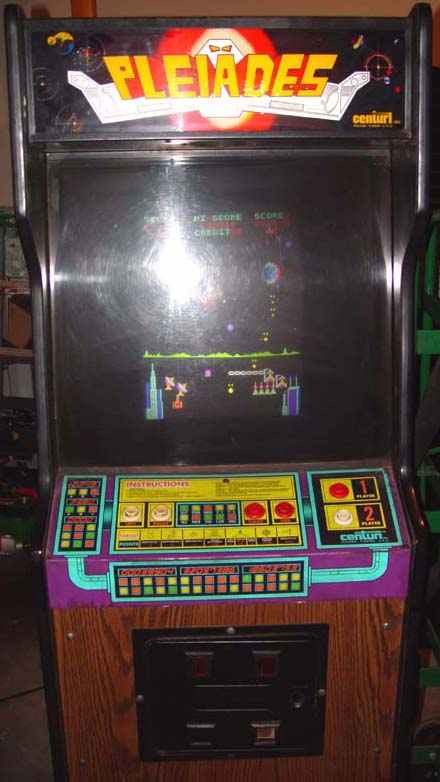
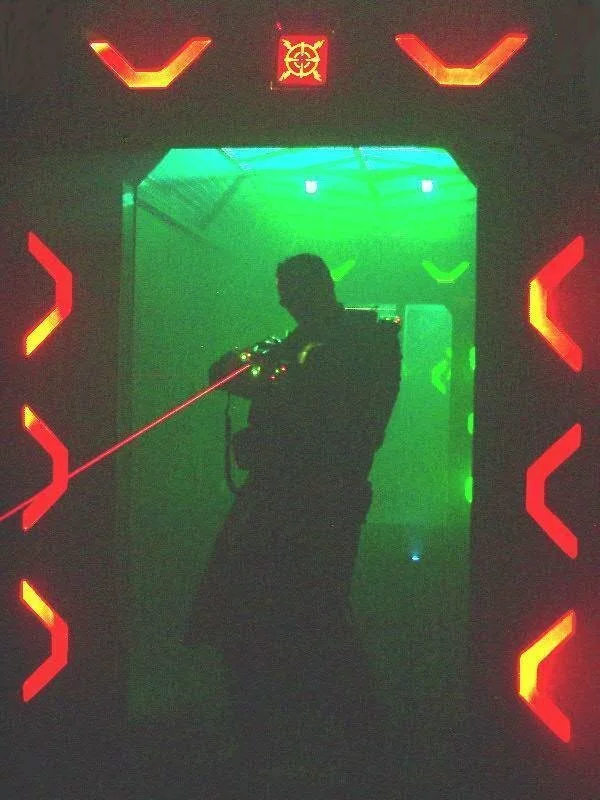 Some diversionary arcade-ish gaming was, however, permitted in the palace of tackiness that was the Laser-quest venue that opened up in Cardiff in the early 90s. Amongst my favourites here were the games that were hybrids of electronic and physical games – I particularly remember a basketball game where you threw real balls and the points were electronically totted up. It wasn't that clever but – like Laser-quest itself - it felt very high tech and gave you a very physical sense of feedback and sense of accomplishment – oddly the natural successors to these types of games are probably the WII and Project Natal (for Xbox). Indeed very few of the video/computer/digital games I encountered till the late '90s had anything to do with beating other people, most were about beating your own high score or a previously set high score. This was very different to the other types of games I was playing – from catch to bowling (bowling being the highlight of an 11 year olds life) or laser-quest (all very performed forms of play) to the many varieties of board games played with friends.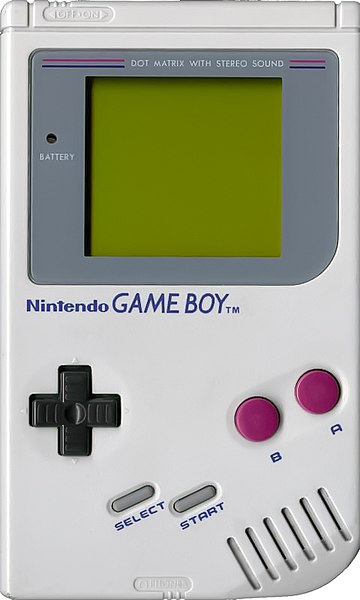

 Having said this a few games offered some short term distractions. A leisure centre near us offered a very underused and cheap Tekken arcade game and that, on a pleasing visceral level, became a good way for my sister and I to beat each other up in an acceptable and entertaining manner.